
No Visibility, Narrow Tunnels: 3-Nation Laos Cave Rescue Team Faces Hurdles
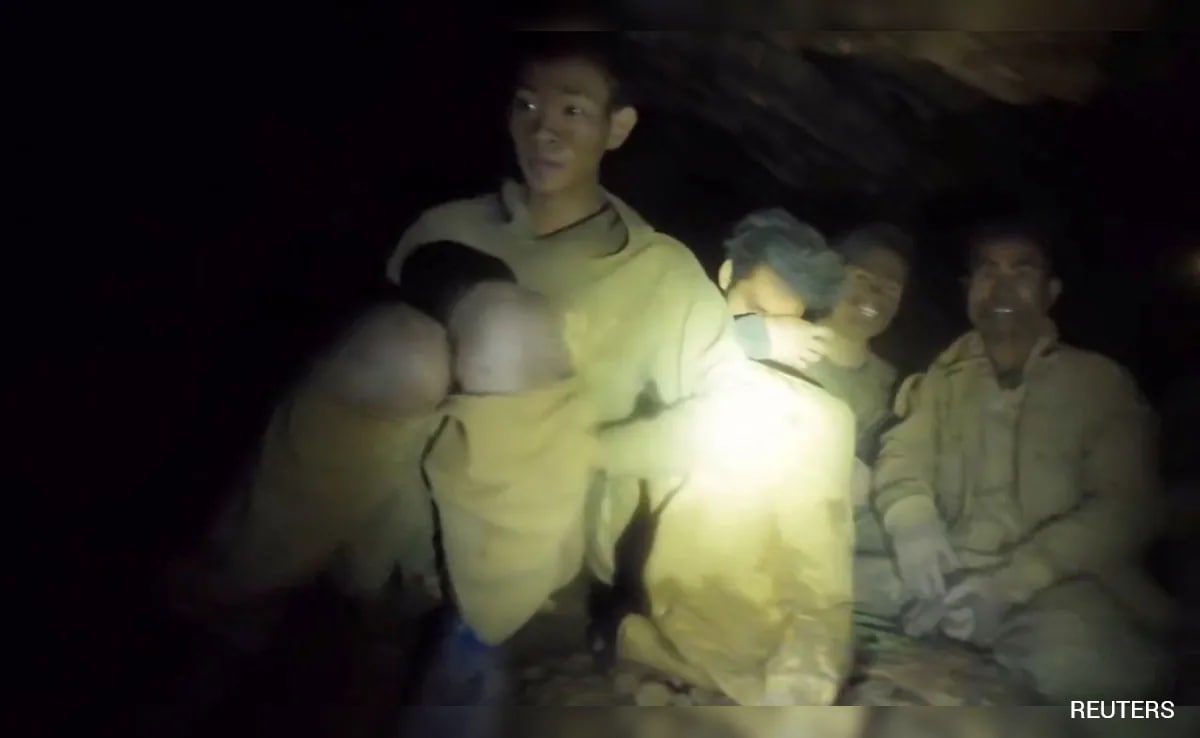
The ongoing rescue operation in a flooded cave system in Laos has drawn international attention as teams from three nations confront severe environmental obstacles that threaten to prolong an already complex effort. Pumping operations to clear water from key passages have been underway, yet a sudden morning rainstorm has reintroduced flooding risks, underscoring how quickly conditions can deteriorate in such confined underground environments. This development matters now because it illustrates the narrow margins for success in subterranean rescues, where even incremental setbacks can extend exposure for those inside and test the limits of coordinated multinational response.
The incident highlights broader vulnerabilities in regions with extensive karst landscapes, where seasonal rains frequently overwhelm natural drainage. With visibility reduced to near zero in many sections and passages too constricted for standard equipment, progress depends on precise, low-tech maneuvering that leaves little room for error.
Physical Constraints Defining the Operation
Rescue personnel are navigating tunnels that restrict movement to single-file advances at best, a factor that slows both equipment transport and human evacuation timelines. In such spaces, standard diving or pumping gear often proves impractical, forcing teams to rely on manual adjustments and smaller-scale tools that extend the duration of each phase. Poor visibility compounds these issues, as murky water and sediment stirred by pumps create conditions where visual navigation becomes impossible and tactile feedback must guide every decision. These constraints do not merely delay action; they elevate physiological risks for rescuers, including disorientation and oxygen management challenges. Analysis of similar flooded systems shows that narrow geometries amplify pressure differentials during water removal, potentially destabilizing walls or ceilings in ways that introduce collapse hazards. The three-nation team must therefore sequence operations with extreme caution, prioritizing incremental water level reductions over rapid extraction attempts.Weather as an Uncontrollable Variable
A morning rainstorm directly interfered with prior pumping successes, allowing water levels to rebound in critical sections. This event demonstrates how surface precipitation translates rapidly into underground surges within interconnected cave networks, where even moderate rainfall can overwhelm temporary drainage measures. Teams had achieved measurable progress in dewatering passages, yet the storm reset portions of that work, illustrating the fragility of gains achieved under time pressure. From an analytical standpoint, such weather interruptions reveal systemic limitations in predictive modeling for cave hydrology. Local topography funnels runoff efficiently into sinkholes and fissures, creating feedback loops that pumping alone cannot fully mitigate without continuous monitoring. The complication forces a reevaluation of shift schedules and resource allocation, as crews must now incorporate real-time rainfall data into every stage of planning to avoid repeated setbacks.Multinational Coordination Under Pressure
The involvement of personnel from three countries brings specialized expertise in areas such as technical diving, engineering, and logistics, yet it also introduces layers of communication and protocol alignment that must be resolved in real time. Different national standards for equipment certification and risk assessment require on-site harmonization, particularly when operating in zero-visibility zones where verbal commands are limited. This collaborative model strengthens overall capacity by pooling diverse technical approaches, but it demands rigorous joint briefings to prevent missteps that could arise from varying operational cultures. Background context on Laos cave systems emphasizes their geological complexity, formed over millennia through limestone dissolution and prone to seasonal inundation that can trap explorers or locals for extended periods. The current effort builds on established principles of cave rescue doctrine, which stress phased water management before personnel entry. Implications extend beyond immediate outcomes: successful navigation of these hurdles could inform future protocols for international teams facing comparable terrain in Southeast Asia and elsewhere.Forward Trajectory and Contingency Planning
Attention now turns to sustained monitoring of weather patterns and refinement of pumping strategies to regain lost ground without compounding instability. Teams are expected to intensify efforts during drier intervals while preparing backup routes that bypass the most restricted passages. This forward phase will likely involve integrating portable sensors for water flow tracking, allowing more adaptive responses to sudden inflows. The operation's next developments hinge on maintaining team safety amid these variables, with potential for phased re-entry once levels stabilize. Such rescues ultimately test not only technical proficiency but also the capacity for sustained international cooperation under fluid conditions.By Dr. Raj Patel, Staff Writer
This article was produced with AI-assisted research and editorial support. Reporting is based on sources cited in the article.
What's Your Reaction?
 Like
0
Like
0
 Dislike
0
Dislike
0
 Love
0
Love
0
 Funny
0
Funny
0
 Wow
0
Wow
0
 Sad
0
Sad
0
 Angry
0
Angry
0

Dr. Raj Patel
India/South Asia Correspondent at Global1.News. Analytical voice with a background in science and health journalism. Based in New Delhi, covering Indian politics, education, healthcare, technology, and policy. Breaks down complex data into clear, actionable reporting.















Comments (0)