
UAE Struck Dozens Of Targets In Iran With US and Israel Help: Report
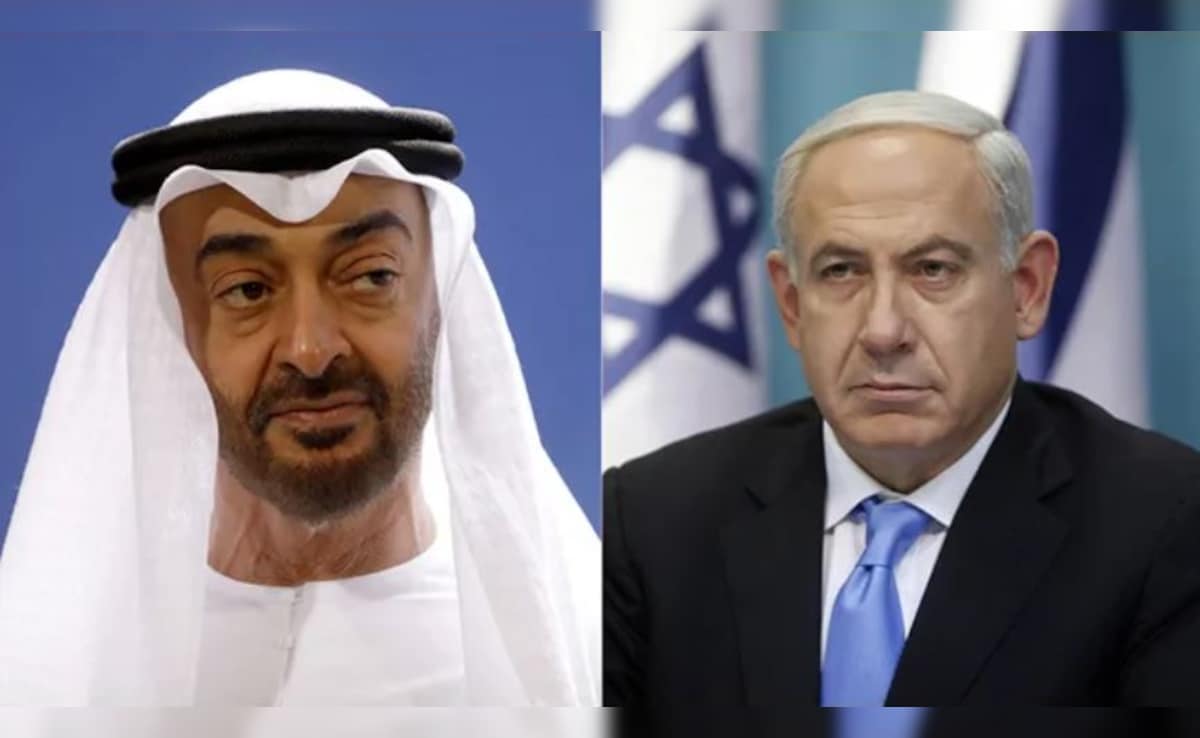
A report revealing the United Arab Emirates' participation in dozens of strikes against Iranian targets, conducted in coordination with the United States and Israel, underscores a significant escalation in the ongoing Middle East conflict. This development highlights how longstanding regional rivalries have drawn in multiple actors, reshaping the dynamics of air operations that were previously understood to be led primarily by Washington and Tel Aviv. The involvement of the UAE, as described in the account from individuals familiar with the campaign, suggests a level of operational integration that extends beyond earlier public assessments.
The timing of these revelations comes amid heightened tensions across the Persian Gulf and surrounding areas, where strategic interests in energy security, territorial integrity, and influence projection intersect. Such coordinated actions carry implications not only for the immediate theater of operations but also for the broader architecture of alliances that have defined Middle East security for decades.
Details of the Reported Air Campaign
The account indicates that UAE forces executed dozens of strikes on targets inside Iran, benefiting from support provided by the United States and Israel. This assistance reportedly encompassed elements of the wider air operations, pointing to a collaborative framework that allowed for more extensive reach than had been disclosed previously. The report, drawing on sources with direct knowledge, emphasizes that this participation reflects a deeper role for the UAE than earlier narratives had conveyed. By integrating UAE assets into the campaign, the coalition appears to have expanded its capacity to address multiple objectives simultaneously. This level of coordination requires shared intelligence, logistical alignment, and synchronized decision-making, all of which alter the operational picture of the conflict. The result is a more distributed set of responsibilities among partners, reducing reliance on any single nation's resources while increasing the complexity of command structures.Background on Regional Alliances and Tensions
The Middle East has long served as a stage for competing visions of security and influence, with Iran positioned at the center of many strategic calculations. Countries such as the UAE maintain close defense ties with the United States, rooted in mutual interests in maritime stability and countering perceived threats from Tehran. Israel, for its part, has pursued independent actions against Iranian capabilities while maintaining varying degrees of coordination with Washington. These relationships have evolved over time through joint exercises, intelligence-sharing agreements, and arms arrangements. The current air campaign builds on that foundation, illustrating how bilateral and multilateral links can translate into combined military efforts during active hostilities. The UAE's reported strikes fit within this pattern, demonstrating how Gulf states have moved from defensive postures to more active participation when regional stability appears at risk. Understanding this backdrop helps explain why the UAE's role, though not entirely unexpected given existing partnerships, represents an intensification of involvement. Past episodes of tension have typically involved sanctions, proxy confrontations, or limited exchanges; the scale implied by dozens of coordinated strikes marks a departure that warrants careful examination of escalation pathways.Strategic Implications for the Involved Parties
The deeper UAE engagement carries consequences for how the conflict is perceived internationally. For the United States, the collaboration reinforces the value of longstanding security partnerships in the Gulf, yet it also raises questions about the sustainability of such operations amid shifting domestic priorities. Israel gains from an expanded network of contributors, potentially diluting the focus on its own forces while complicating Iranian responses. From the UAE perspective, participation signals a willingness to project power beyond its immediate borders in defense of shared objectives. This stance could strengthen its position within regional forums but may also invite retaliatory considerations from Iran, affecting energy markets and commercial routes critical to Gulf economies. The report's emphasis on previously underappreciated involvement suggests that future assessments of coalition effectiveness will need to account for this expanded footprint. Analysts note that such integration can accelerate decision cycles and improve target coverage, yet it simultaneously increases the risk of miscalculation if communication channels among partners are not robust. The air campaign's evolution thus serves as a case study in how alliances adapt under pressure, balancing collective goals against individual national interests.Outlook and Potential Developments
Looking ahead, the reported UAE role is likely to influence diplomatic efforts aimed at de-escalation or containment. Observers will watch for signs of expanded participation by other regional actors or adjustments in the rules of engagement that govern the air operations. Iranian countermeasures, whether through asymmetric means or direct responses, could further test the resilience of the coalition arrangement. Continued reporting on the campaign may clarify additional layers of coordination, offering a fuller picture of how resources were allocated and objectives prioritized. In the meantime, the episode underscores the fluid nature of Middle East security dynamics, where yesterday's alignments can produce tomorrow's operational realities. Policymakers on all sides face the challenge of managing immediate military requirements while preserving space for eventual negotiated outcomes.By Dr. Raj Patel, Staff Writer
This article was produced with AI-assisted research and editorial support. Reporting is based on sources cited in the article.
What's Your Reaction?
 Like
0
Like
0
 Dislike
0
Dislike
0
 Love
0
Love
0
 Funny
0
Funny
0
 Wow
0
Wow
0
 Sad
0
Sad
0
 Angry
0
Angry
0

Dr. Raj Patel
India/South Asia Correspondent at Global1.News. Analytical voice with a background in science and health journalism. Based in New Delhi, covering Indian politics, education, healthcare, technology, and policy. Breaks down complex data into clear, actionable reporting.













Comments (0)