
Mexico and Japan Launch Joint Sargassum Program
Mexico and Japan Launch Joint Sargassum Program On Monday August 3 2026 Mexican Foreign Minister Roberto Velasco Alvarez welcomed Japanese Foreign Minister Toshimitsu Motegi at the Secretaría de Relaciones Exteriores in Mexico City.
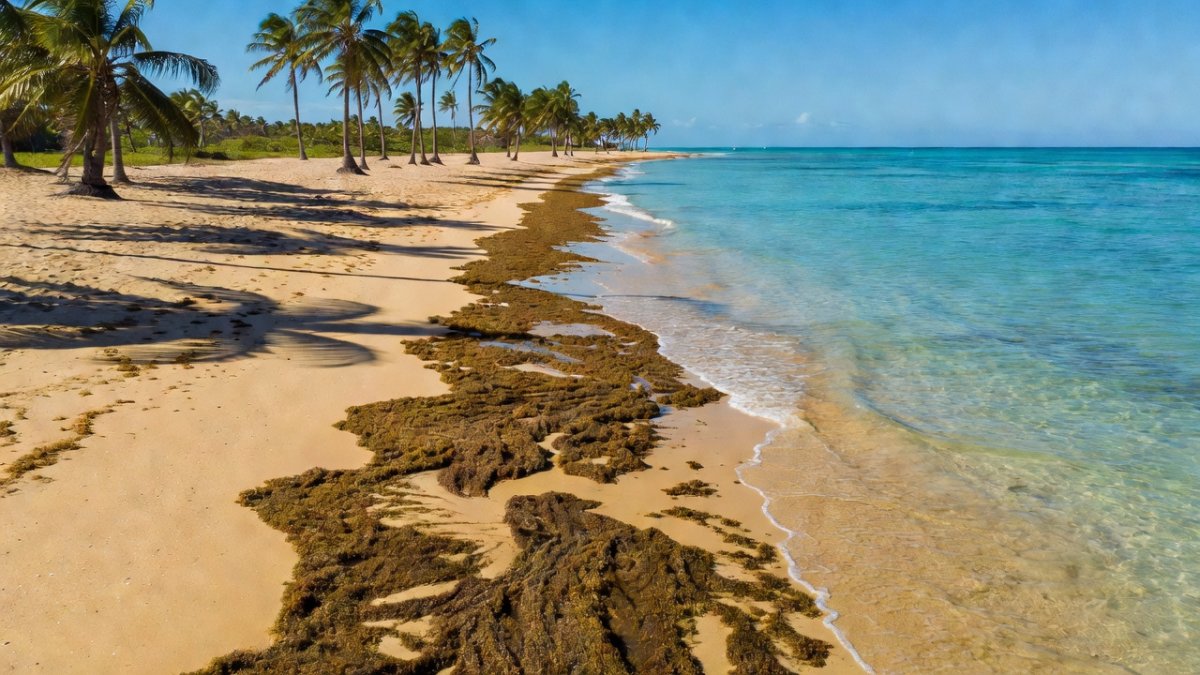
Mexico and Japan Launch Joint Sargassum Program
On Monday August 3 2026 Mexican Foreign Minister Roberto Velasco Alvarez welcomed Japanese Foreign Minister Toshimitsu Motegi at the Secretaría de Relaciones Exteriores in Mexico City. The two officials agreed to launch a joint program that will bring Japanese vessels equipment and monitoring technology to help Mexico confront the sargassum choking Caribbean beaches. The announcement directly affects families in Cancun Tulum Puerto Morelos and other Quintana Roo coastal communities whose livelihoods depend on clean shores and steady tourism income.
Tags: Mexico Japan sargassum, Caribbean seaweed crisis, Quintana Roo beaches, Sheinbaum administration, SEMAR cleanup, JICA AMEXCID cooperation, sargassum summit Cancun, Mexico Japan trade, coastal communities Mexico, 2 billion pesos sargassum, UNAM LANOT monitoring, pescadores Quintana Roo
The diplomatic handshake behind the seaweed fight
Foreign Minister Roberto Velasco Alvarez and Japanese Foreign Minister Toshimitsu Motegi met at the Mexican Foreign Ministry on August 3 2026 to address the sargassum emergency. Velasco stated that the two nations will launch a joint program to address the sargassum problem that strengthens the capacities of both governments and helps mitigate the situation facing the Caribbean Sea. The meeting marked a concrete step in bilateral cooperation under the Sheinbaum administration.
The announcement came after a phone call in April between Japanese Prime Minister Sanae Takaichi and Mexican President Claudia Sheinbaum. That earlier conversation already produced one million barrels of Mexican crude oil delivered to Japan. Velasco noted that both countries are led by women for the first time and expressed hope for a future visit by Takaichi to Mexico.
Velasco also expressed Mexico's solidarity with Japan after earthquakes struck Kumamoto Prefecture on July 28. The August 3 meeting therefore combined immediate environmental action with longer-term diplomatic ties.
The two ministers also relaunched the High-Level Economic Dialogue between Mexico and Japan. A new working group will focus on artificial intelligence the digital economy economic resilience and strategic supply chains.
What the joint program actually includes
Japan will contribute specialized vessels and equipment for collecting macroalgae in open waters. The program will also supply advanced ocean-monitoring technology robotics sensors and satellite monitoring systems. These tools are intended to improve early detection and removal of sargassum before it reaches Mexican shores.
Research and development efforts will explore biological decomposition methods and ways to convert sargassum into fertilizers biofuels and building materials. Japan's International Cooperation Agency known as JICA will work with Mexico's Agency for International Development Cooperation AMEXCID to carry out the projects.
The program remains in the launch phase with implementation details still being developed. Officials described the agreement as a framework that both governments will now begin to operationalize through technical working groups.
The collaboration builds on existing scientific monitoring already conducted by Mexico's National Autonomous University through its National Laboratory for Earth Observation LANOT which tracks sargassum using satellites and drones.
A crisis that keeps growing
Sargassum levels in the Caribbean reached record highs in June 2026. The University of South Florida reported that the amount of sargassum in the Gulf of Mexico hit five million metric tons that month nearly double the previous year's record. Environmental officials estimate that around 119000 tonnes of sargassum will wash up along Mexico's Caribbean coastline by the end of 2026.
UNAM's LANOT continues to monitor up to 40 million tons of sargassum across the Atlantic and Caribbean using satellites and drones. These observations help authorities anticipate arrival times and volumes along Quintana Roo beaches.
The Mexican Navy SEMAR has already deployed boats offshore barriers and cleanup crews in places such as Puerto Morelos to intercept and remove sargassum before it reaches shore. These operations form part of the current national response while the new Japan partnership develops.
President Claudia Sheinbaum's government has pledged approximately two billion pesos to combat sargassum along Quintana Roo's coastline covering about 30 miles of beachfront that includes popular destinations such as Cancun and Tulum.
What this means for Mexican coastal communities
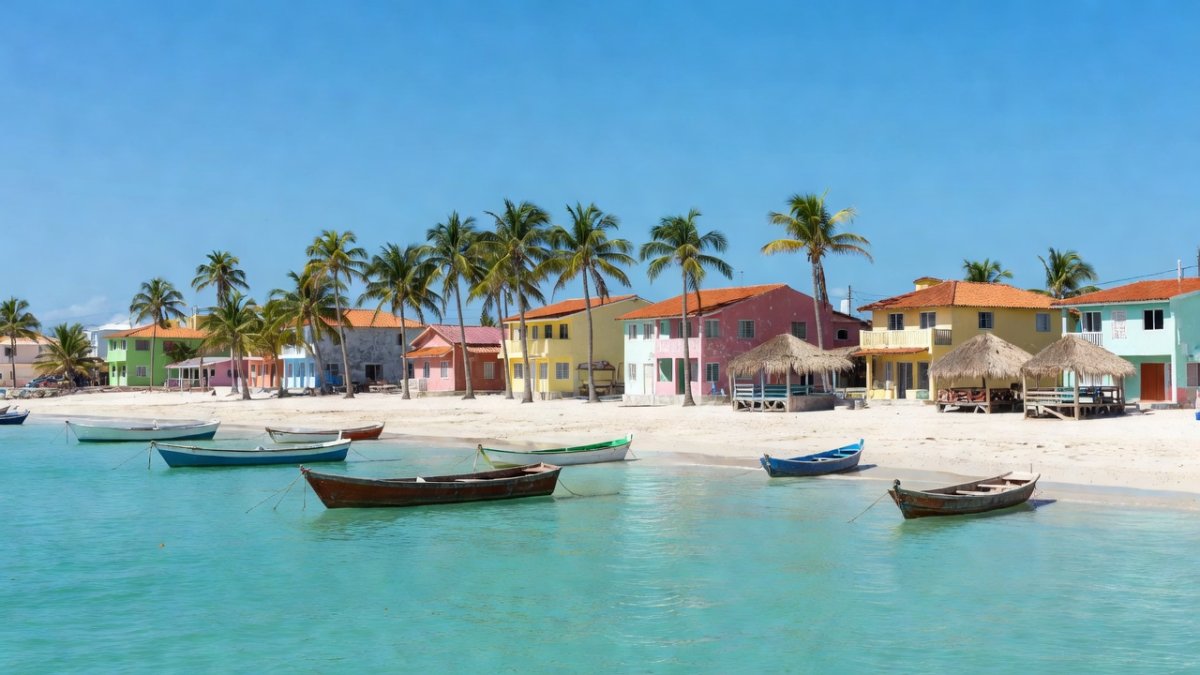
Tourism workers hotel staff and street vendors in Cancun and Tulum depend on clean beaches to earn their living. When sargassum piles up and decomposes it affects visitor numbers and daily income for families in these colonias. The new joint program aims to reduce the volume that reaches shore and ease pressure on these households.
Fishing communities known as pescadores in Puerto Morelos and nearby areas also face disruptions when seaweed clogs waters and harms marine life. Better open-water collection supported by Japanese vessels could help protect their catches and equipment.
The economic ripple effects extend well beyond the beachfront hotels. The crisis has weighed on local economies and tourism across the Mexican Caribbean, and the scale of the 2026 arrival has put renewed pressure on municipal budgets that were already stretched by seasonal cleanup costs. That is why the combination of federal funding, state coordination and the new international partnership matters to ordinary families — from hotel workers in Cancun to boat captains in Puerto Morelos — whose income depends on a predictable tourism season.
Public health concerns rise when sargassum decomposes on beaches releasing gases that affect residents and visitors alike. Local municipal authorities and state governments in Quintana Roo have worked with SEMAR to organize regular removals but the scale of the 2026 influx has exceeded previous efforts.
The two billion peso pledge from the federal government under President Sheinbaum is intended to support these local cleanup operations through the remainder of the year. Community leaders in the region continue to call for sustained resources and coordination.
More than seaweed a deeper Mexico-Japan relationship
Japan remains Mexico's eighth-largest trading partner and its fourth-largest source of investment. It is the top investor among Asia-Pacific economies with about 1600 Japanese companies operating in Mexico and generating around 350000 jobs. The August 3 meeting highlighted these economic ties alongside the environmental partnership.
The relaunch of the High-Level Economic Dialogue will explore cooperation in artificial intelligence and strategic supply chains. A dedicated Mexico-Japan working group was created to advance these topics in the coming months.
Upcoming anniversaries include the 130th anniversary of Japanese migration to Mexico in 2027 and in 2028 the 140th anniversary of diplomatic relations plus the 50th anniversary of the Nagoya-Mexico City sister-city relationship. These milestones provide additional context for the strengthened cooperation.
Motegi noted that given the situation in the Middle East the two countries agreed to continue strengthening collaboration in the energy sector following the recent oil shipment to Japan.
What to watch for
A summit on sargassum is scheduled for October in Cancun Quintana Roo with participation from several countries. The EU-Caribbean Global Gateway Conference on Sargassum will focus on coordinating strategies for containing and managing seaweed biomass.
Technical teams from JICA and AMEXCID will now begin detailed planning for vessel deployment and technology transfer. Observers in Quintana Roo will watch for the first visible results of the joint program along affected beaches.
A possible visit by Japanese Prime Minister Sanae Takaichi to Mexico remains under discussion and would mark another historic step in the relationship between the two nations. Local communities hope the combined diplomatic and technical efforts will bring lasting relief from the sargassum influx.
The agreement represents a new chapter in Mexico's approach to an environmental challenge that directly touches the daily lives of coastal families. Continued coordination between federal agencies state governments and international partners will determine how quickly results reach the beaches of Quintana Roo.
By Rosa Martinez, Staff Writer
This article was produced with AI-assisted research and editorial support. Reporting is based on sources cited in the article.
What's Your Reaction?
 Like
0
Like
0
 Dislike
0
Dislike
0
 Love
0
Love
0
 Funny
0
Funny
0
 Wow
0
Wow
0
 Sad
0
Sad
0
 Angry
0
Angry
0

Latin America/Andes Correspondent at Global1.News. Based in Bogota, covering politics, environment, energy, and social movements across the Andean region. Passionate about environmental journalism and communities protecting their land.















Comments (0)