
Habagat Rains Knock Out Power for 98,000 Meralco Customers Across Luzon
Meralco reports 98,000 customers without power as habagat rains flood Luzon. PAGASA warns La Mesa Dam nears spilling level. NDRRMC says 382,000 people affected; classes suspended and 215 passengers stranded.
Meralco Works Round the Clock to Restore Service
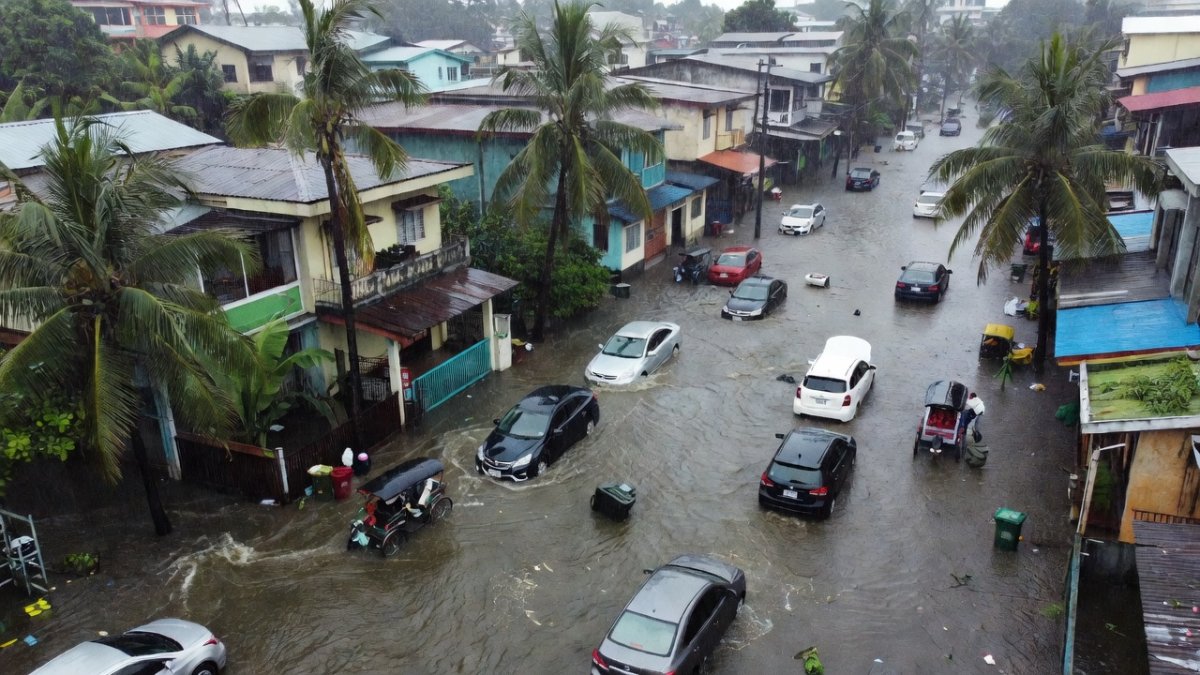
Meralco reported that heavy rains from the southwest monsoon, known locally as habagat, have cut electricity to about 98,000 customers across Luzon. Roughly 90 percent of the outages stem from flooding in Metro Manila and parts of Cavite, Rizal, Bulacan, Laguna, Batangas, and Quezon. Meralco spokesperson Joe Zaldarriaga said crews are working nonstop to fix lines, with priority given to hospitals, water pumping stations, and disaster-response offices.
For families in these areas, the loss of power means more than dark rooms. Sari-sari store owners cannot keep refrigerators running, so fresh goods spoil quickly. Kapitbahay neighbors share what little ice they have left, showing the bayanihan spirit that often surfaces during storms.
Beyond dark rooms, the outage hits hardest where daily life depends on electricity: households lose electric fans in the humid tropical heat, refrigerated medicines for chronic conditions lose potency, and dialysis patients face postponed sessions. Meralco crews prioritize hospitals and water pumping stations, and residents are urged to report outages through the utility's official app or hotline while keeping a safe distance from fallen wires, which may still carry current even after the rain stops.
Flooded Streets Disrupt Daily Commutes
Commuters in parts of Metro Manila waded through knee-deep water on flooded streets as the rains continued. Many had to leave tricycles and jeepneys behind when roads became impassable. The Philippine Coast Guard reported 215 passengers stranded in ports on Sunday because of rough seas and strong winds.
These disruptions hit workers and students hardest. A typical office employee might spend extra hours finding alternate routes, while daily wage earners lose income when they cannot reach their jobs. Local government units and barangay captains have stepped in to guide people to safer paths and set up temporary shelters.
PAGASA Warns of Rising Dam Levels
PAGASA said the La Mesa Dam in Quezon City stood at 79.75 meters as of 11 a.m. Sunday, only 0.40 meters below its spilling level of 80.15 meters. Red-level rainfall alerts cover parts of Metro Manila, with the habagat strengthened by Typhoon Dolphin after tropical cyclones Luis and Maymay.
Communities downstream have received warnings to stay alert. Families living near waterways keep bags packed in case evacuation orders come. Barangay captains coordinate with LGUs to move residents to higher ground before water rises further.
La Mesa Dam supplies much of the capital's drinking water, so operators must balance storage against the risk of overflow — a challenge seen in past storms when sudden water releases turned streets into swift rivers. PAGASA raises red alerts when inflows threaten to exceed safe limits, signaling downstream families to move to higher ground and avoid crossing swollen waterways. Barangay networks activate early warning systems, urging households to prepare go-bags and identify evacuation routes before releases begin.
NDRRMC Tracks Widespread Impact on Families
The National Disaster Risk Reduction and Management Council reported at least 382,000 people, or around 110,000 families, affected across eight regions by the monsoon and recent cyclones. Some evacuation centers in Quezon City already house families who lost their homes to flooding.
Ordinary households feel the strain most. Parents worry about feeding children when markets close early and power stays out. Farmers in nearby provinces watch crops drown in standing water, threatening income that supports extended families back home.
NDRRMC works closely with local government units to move families from flood-prone areas into evacuation centers before waters rise further, relying on barangay disaster risk reduction committees that know every street and household in their communities. These committees help identify who needs assistance first, such as elderly residents or those with mobility challenges, ensuring orderly transfers that reduce panic during heavy downpours.
Relief packs usually contain rice, canned goods, and basic hygiene items, while financial aid under established programs helps cover immediate losses like damaged appliances. Evacuation centers often become crowded quickly, placing extra pressure on limited bathrooms and sleeping spaces, which is why many families prefer to stay with relatives when possible.
Schools and Exams Suspended for Safety
DepEd announced class suspensions for Monday, August 10, in several areas still facing bad weather. The Civil Service Commission also canceled the Career Service Examination scheduled for Sunday in Luzon. Students now have an unplanned day at home, but many lack power for online lessons or even basic lighting for reading.
Teachers and parents alike welcome the caution. Still, the break adds pressure for families already stretched by lost work hours and higher food costs during the storm.
President Marcos Orders Heightened Government Alert
President Ferdinand Marcos Jr. directed agencies to stay on high alert, protect communities and critical infrastructure, and manage dam releases in a coordinated way. Transport group Manibela postponed its planned strike for Monday because of the weather, easing some pressure on already difficult travel.
These steps aim to keep essential services running. Yet for the sari-sari store owner without lights or the commuter knee-deep in floodwater, the real relief will come only when the rains ease and power returns.
Under the heightened alert, DepEd announces class suspensions through radio and social media so parents can plan childcare, the Department of Health warns against wading in floodwater because of leptospirosis risks, and DPWH teams clear fallen trees from major roads. DSWD prepositioned relief goods reach affected areas faster, while the Manibela postponement keeps public transport running so daily wage earners can still reach their jobs.
Deaths Reported as Provinces Cope with Losses
The Philippine News Agency reported eight deaths linked to the rains, while other outlets placed the toll higher. Authorities continue to verify details as rescue teams reach isolated areas. Barangay captains work with LGUs to account for missing residents and support grieving families.
In these moments, neighbors often bring food and comfort, keeping the tradition of bayanihan alive even as waters rise.
Official death tolls after Philippine storms are verified through careful cross-checking by local civil registrars and NDRRMC teams, a process that can take days as missing persons reports are confirmed and causes are documented. Communities often come together afterward to support grieving families with simple memorial gatherings and shared meals, honoring those lost while focusing on practical steps like clearing debris from homes.
Floodwater left behind also raises the risk of leptospirosis and other waterborne diseases, prompting health workers to distribute preventive advice and medicine in evacuation sites. These quiet efforts help survivors rebuild both their physical surroundings and their sense of safety in the weeks that follow.
By Bella Reyes, Staff Writer
This article was produced with AI-assisted research and editorial support. Sources: PhilStar, Philippine News Agency, PAGASA, NDRRMC, Meralco, Philippine Coast Guard.
What's Your Reaction?
 Like
0
Like
0
 Dislike
0
Dislike
0
 Love
0
Love
0
 Funny
0
Funny
0
 Wow
0
Wow
0
 Sad
0
Sad
0
 Angry
0
Angry
0

Philippines/Southeast Asia Correspondent at Global1.News. Manila-based journalist covering Philippine politics, environment, maritime security, and social issues. Passionate about marine conservation and the communities protecting the Philippines' natural heritage.














Comments (0)