
Are Kazakhs Giving Up on Civic Action?
Recent polling by Demoscope reveals a deepening cynicism among Kazakh citizens toward political participation, even as the nation endures an increasingly restrictive environment for civil society.
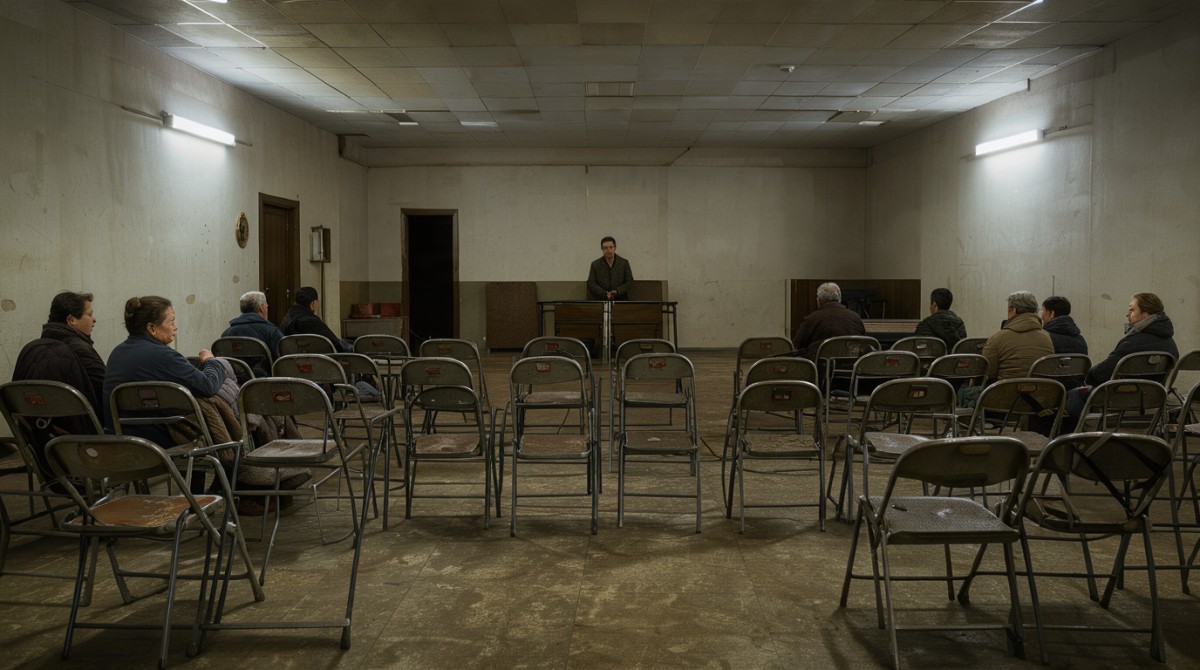
Recent polling by Demoscope reveals a deepening cynicism among Kazakh citizens toward political participation, even as the nation endures an increasingly restrictive environment for civil society. The survey, conducted in November 2026 across all 17 regions and the major cities of Astana, Almaty and Shymkent, indicates that while a slim majority remain interested in the country’s social and political development, fewer than half believe they can meaningfully influence government decisions. This dissonance between interest and perceived efficacy is reflected in sharply declining rates of voting, petitioning and public assembly, and it arrives against a backdrop of heightened repression of activists, journalists and dissenting voices.
Interest in Politics Remains, but Confidence Falters
The Demoscope poll found that 52.4 percent of respondents expressed interest in Kazakhstan’s social and political trajectory. Yet only 48.2 percent believed that citizens could exert any degree of influence over governmental decisions. This gap underscores a growing sense that personal engagement is unlikely to sway policy, a sentiment echoed by 31 percent of respondents who described political action as “pointless.”
Even among those who are politically aware, the willingness to confront the state is limited. Just over half—54 percent—said they would not challenge the government on matters affecting their well‑being. The underlying reasons range from disinterest and time constraints (cited by roughly a quarter of participants) to a broader perception that the political system is unresponsive.
Voting and Referenda: The Only Widely Practised Form of Participation
Participation in elections and referenda remains the most common avenue for civic engagement, yet the poll shows a stark decline in actual turnout. Only 44.7 percent reported having voted or taken part in a referendum within the past year, a figure that falls well below the official participation rates of over 70 percent recorded for the March referendum and the August parliamentary elections. Demoscope itself highlighted this discrepancy, suggesting that official statistics may not reflect genuine citizen involvement.
Other forms of political activity are markedly rarer. Fewer than one in ten respondents said they had ever sent an appeal to a government body, and participation in civic initiatives or peaceful assemblies was reported by just 1.3 percent and 1.2 percent respectively. These numbers illustrate a narrowing of civic channels to the ballot box, even as confidence in that box erodes.
Repression Fuels Disengagement
The decline in civic activity cannot be examined apart from the wave of prosecutions that has marked 2026. Human‑rights groups have documented a series of high‑profile cases, including the conviction of 19 activists in April for alleged incitement of interethnic discord, and the October trial of activist Sanzhar Bokayev on charges of disseminating false information. Journalists such as former Orda.kz editor Gulnara Bazhkenova have faced similar accusations, reinforcing a pattern of legal pressure on dissent.
Amnesty International and Kazakhstan’s International Bureau for Human Rights and Rule of Law have condemned these actions as assaults on peaceful assembly and freedom of expression. Their reports describe a climate in which “individuals who seek to exercise their freedom of peaceful assembly, face substantial legal and operational risks.” The perception of risk likely contributes to the reluctance to engage in public protest, as reflected in the low percentages of respondents who have participated in assemblies.
Younger Kazakhs Show Greater Willingness to Act
Despite the overall climate of disengagement, the survey highlights a generational divide. Among respondents aged 18‑29, 54.2 percent indicated a willingness to take action if government decisions adversely affected their lives. This contrasts with the broader population’s reluctance and suggests that younger citizens may retain a more activist orientation, even as they confront a hostile legal environment.
The willingness of younger Kazakhs to protest does not automatically translate into organized action. The same cohort also expressed doubts about the efficacy of civic engagement, mirroring the broader sentiment that influence is limited. Nonetheless, the data point to a potential reservoir of dissent that could become more prominent if political or economic pressures intensify.
Historical Context: From Bloody January to Present Disillusionment
The current mood of cynicism is rooted in the unrest that followed the “Qandy Qantar” or “Bloody January” protests of 2022. Those events marked a turning point, after which the state intensified its control over public assembly and media. The pattern continued with the Independence Day protest last year, which was largely attended by pensioners and underscored fears of arrest among participants.
These historical episodes illustrate a trajectory in which each wave of protest has been met with stricter enforcement, reinforcing a perception that civic action yields limited results. The Demoscope findings confirm that this perception is now widespread, with a sizable portion of the population deeming political engagement futile.
Implications for Kazakhstan’s Political Future
The survey’s mixed picture—high interest but low confidence—poses a dilemma for the Kazakh leadership. On one hand, the state can claim that citizens remain engaged in national development; on the other, the erosion of trust in political institutions threatens legitimacy. If the younger generation’s willingness to act translates into organized movements, the government may face renewed pressure to either liberalise its approach to dissent or to further tighten controls.
International observers, including human‑rights organisations, will likely continue to scrutinise Kazakhstan’s treatment of activists and journalists. The extent to which the state balances security concerns with civic freedoms will shape both domestic stability and its diplomatic standing in the region. As 2026 draws to a close, the trajectory of Kazakh civic engagement remains uncertain, hinging on whether the latent willingness among younger citizens can overcome the entrenched perception of futility that now dominates public opinion.
This article was produced with AI-assisted research and editorial support. Reporting is based on the source material cited below. Sources: The Diplomat; thediplomat.com; Global1.News (20 November 2026).
By Kenji Tanaka, Staff Writer
What's Your Reaction?
 Like
0
 Dislike
0
 Love
0
 Funny
0
 Wow
0
 Sad
0
 Angry
0

Japan Correspondent at Global1.News. Tokyo-based voice covering Japanese politics, technology, economy, and culture. Tracks the intersection of tradition and innovation in one of the world's most dynamic societies.













Comments (0)