
Mexico Gears Up for 2026 FIFA World Cup as Co-Host Nation
Mexico Steps onto the Global Stage In a recent DW News report on the FIFA World Cup 2026, viewers learned that the tournament will run from June 11 to July 19 across the USA, Mexico, and Canada with 48 teams and 104 matches. Mexico will host three venues including Estadio Azteca in Mexico City, Estadio BBVA in Monterrey, and Estadio Akron in Guadalajara. El Tri opens the tourna
Mexico Steps onto the Global Stage
In a recent DW News report on the FIFA World Cup 2026, viewers learned that the tournament will run from June 11 to July 19 across the USA, Mexico, and Canada with 48 teams and 104 matches. Mexico will host three venues including Estadio Azteca in Mexico City, Estadio BBVA in Monterrey, and Estadio Akron in Guadalajara. El Tri opens the tournament against South Africa on June 11 at Estadio Azteca, marking the first time the expanded format begins in a Mexican stadium.
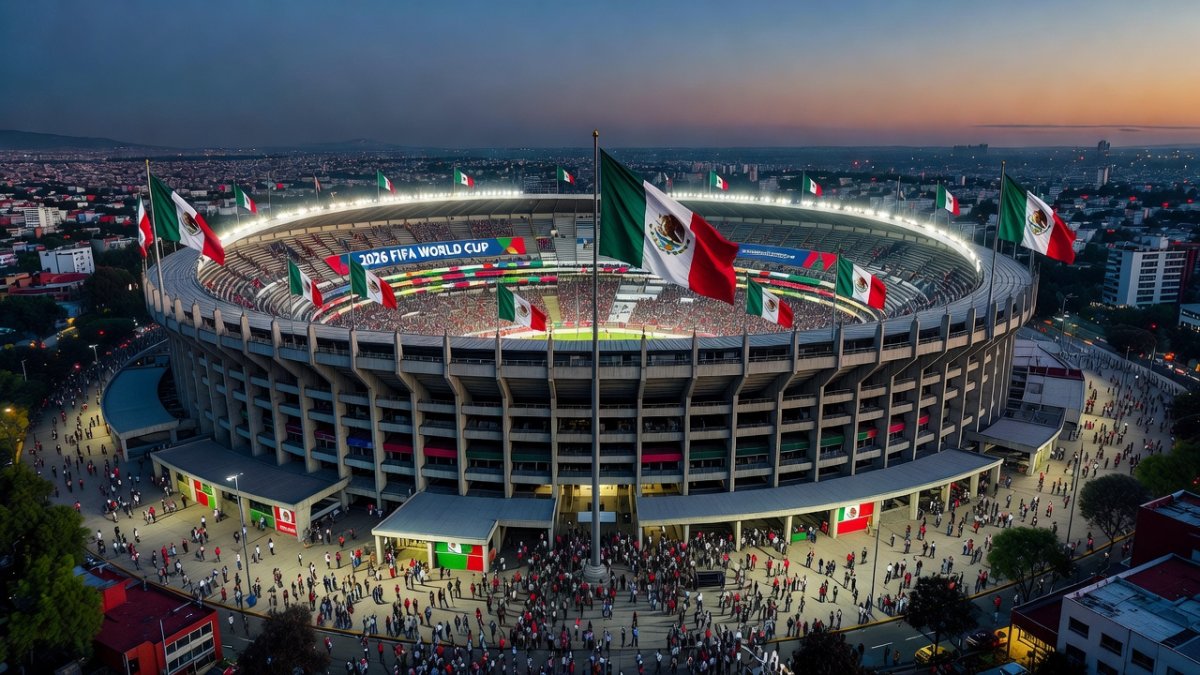
The Secretaría de Gobernación has coordinated with the Guardia Nacional to secure the three host cities, while the Secretaría de Turismo projects increased visitor numbers from the 11 US venues and two Canadian sites. Mexico previously hosted the World Cup in 1970 and 1986, giving current preparations a direct link to past national efforts led by the Presidencia.
Economic Impact on Mexican Families and Businesses
Small business owners in colonias near Estadio Azteca expect a tourism boost from the 104 matches, yet CONEVAL data shows rising concerns over price increases that could affect low-income households in Mexico City. The DW News report noted that FIFA will achieve financial success, though not at the levels initially projected, leaving Mexican vendors at tianguis near the stadiums to rely on local spending rather than massive international windfalls.
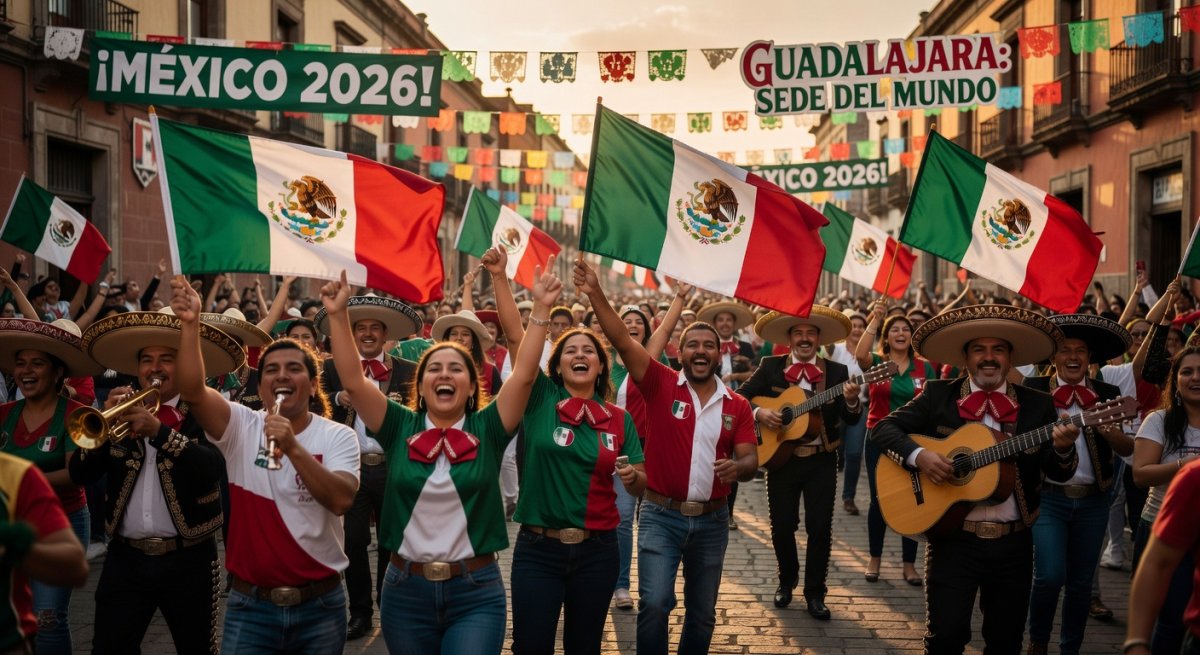
Farmers in the Estado de México who supply tortillerías and taquerías around Estadio Akron in Guadalajara anticipate higher demand during the June 11 to July 19 window. At the same time, maquiladora workers in Monterrey worry that hotel price surges near Estadio BBVA could displace families during the tournament period.
Security Preparations Across Host Cities
Cartel violence near the three Mexican host cities has prompted SEDENA and SEMAR to increase patrols, as highlighted in the DW News analysis of security risks. The Guardia Nacional will work with local police in Monterrey and Guadalajara to protect the 16 total venues, including the 11 US sites that could send fans across the border.
President Sheinbaum has publicly promoted Mexico's readiness through the mañanera press conferences, emphasizing coordination with the FGR on ticket scam prevention after the FBI issued warnings about fraudulent websites. Indigenous communities near Oaxaca, though not host cities, have raised questions about resource allocation for the event.
Political Dimensions Under the Sheinbaum Administration
The Sheinbaum administration has tied World Cup preparations to the legacy of AMLO's infrastructure investments, with Morena legislators in the Cámara de Diputados pushing for additional funding through the Congreso de la Unión. US President Trump has associated himself with the tournament, and the DW News report examined whether his presence could overshadow proceedings in the shared North American event.
Escalating Iran-USA tensions coinciding with the June 11 start date add another layer for the SRE to manage diplomatic relations during the 48-team competition. Mexico's national team secured a win in its final warm-up match against Serbia, boosting morale ahead of the opening fixture at Estadio Azteca.
What Mexican Fans Can Expect
Supporters in Puebla and other nearby states plan community viewings at local canchas, while students from UNAM in Mexico City prepare cultural displays that blend Día de Muertos motifs with football celebrations. The expanded 48-team format means more matches at Estadio BBVA in Monterrey, giving fans in northern Mexico additional opportunities to attend games without traveling to the capital.
Healthcare workers at IMSS facilities near the venues have received training for potential crowd-related incidents, and teachers in Guadalajara have adjusted school calendars around the July 19 final. The DW News segment with football finance expert Kieran Maguire underscored that while FIFA gains revenue, Mexican communities must focus on long-term benefits beyond the tournament dates.
Legacy and Lasting Changes for Mexico
Post-tournament upgrades to Estadio Akron and surrounding transport links are expected to remain under CFE management, benefiting daily commuters in Jalisco long after July 19. Rural communities in ejidos near the host cities hope the international spotlight will draw sustained investment rather than temporary attention.
The 2026 World Cup arrives at a moment when Mexico balances national pride with practical challenges of security, economics, and global politics. Families across the three host cities will determine whether the expanded tournament delivers lasting gains or simply passes through their colonias.
By Rosa Martinez, Staff WriterThis article was produced with AI-assisted research and editorial support. Reporting is based on sources cited in the article.
What's Your Reaction?
 Like
0
Like
0
 Dislike
0
Dislike
0
 Love
0
Love
0
 Funny
0
Funny
0
 Wow
0
Wow
0
 Sad
0
Sad
0
 Angry
0
Angry
0
Latin America/Andes Correspondent at Global1.News. Based in Bogota, covering politics, environment, energy, and social movements across the Andean region. Passionate about environmental journalism and communities protecting their land.









Comments (0)