
Iran Halts US Negotiations, Threatens to Block Strait of Hormuz as Tensions Explode
Iran Halts US Negotiations, Threatens to Block Strait of Hormuz as Tensions Explode Iran announced today that it is suspending all negotiations with the United States and threatened to "completely" block the Strait of Hormuz, dramatically escalating one of the most dangerous flashpoints in the Middle East. The announcement, carried by Iranian state media, came hours after Presi
Iran Halts US Negotiations, Threatens to Block Strait of Hormuz as Tensions Explode
Iran announced today that it is suspending all negotiations with the United States and threatened to "completely" block the Strait of Hormuz, dramatically escalating one of the most dangerous flashpoints in the Middle East. The announcement, carried by Iranian state media, came hours after President Donald Trump told CNBC in an exclusive interview that he "doesn't care" whether the Iran talks continue.
Iran's state-run Press TV reported that the decision to walk away from the negotiating table was made by Supreme Leader Ayatollah Ali Khamenei's national security council following what it described as "continued American bad faith" in ongoing discussions over Iran's nuclear program and regional military posture. The development marks the most serious breakdown in US-Iran diplomacy since the ceasefire agreement brokered earlier this year.
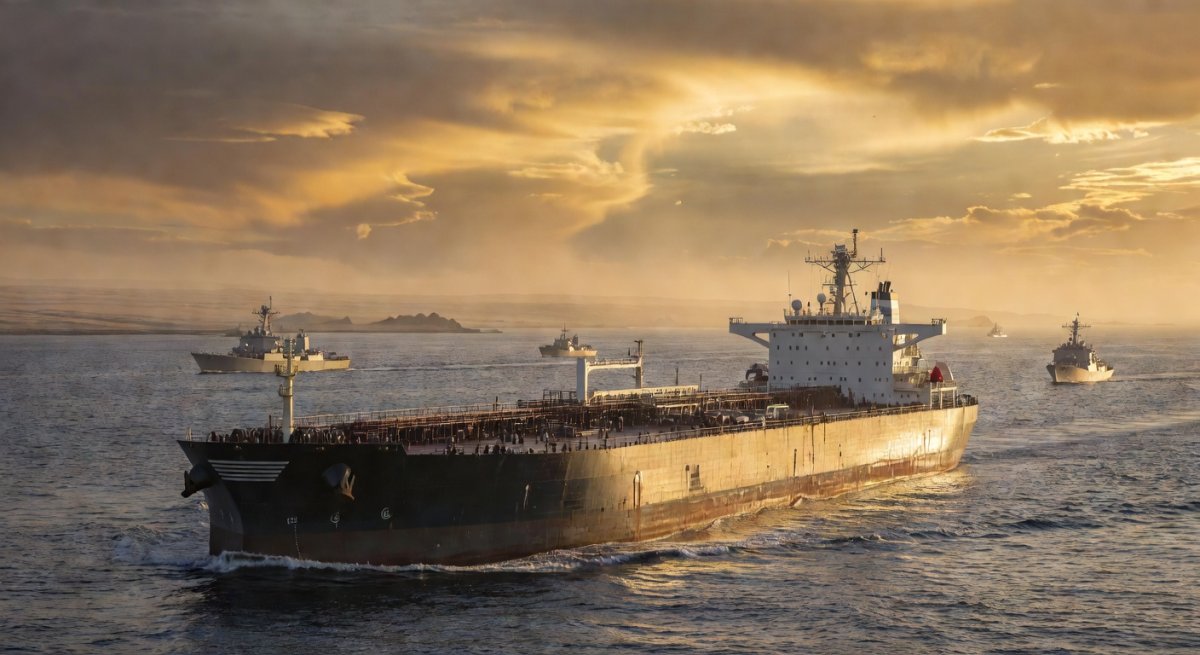
Blocking the Strait of Hormuz: A Global Economic Threat
The Strait of Hormuz, a narrow waterway between the Persian Gulf and the Gulf of Oman, is one of the world's most strategically important chokepoints. Roughly 20% of the world's total oil consumption — about 17 million barrels per day — passes through the strait, according to data from the US Energy Information Administration.
Any sustained blockade would send global oil prices skyrocketing, potentially triggering a worldwide energy crisis. Benchmark Brent crude futures surged more than 4% in early trading on the news, crossing $85 per barrel. Analysts at Goldman Sachs warned in a note that a prolonged closure could push prices above $100 within weeks, Reuters reported.
"Blocking Hormuz is a nuclear option in economic warfare," said Dr. Sanam Vakil, director of the Middle East and North Africa programme at Chatham House, speaking to the BBC. "It would be devastating for global energy markets and would almost certainly provoke a military response from the United States and its allies."
US Military Responds
The United States Central Command confirmed earlier today that it intercepted Iranian missiles targeting American forces stationed in Kuwait. In a statement, CENTCOM said its Patriot air defense systems successfully engaged and destroyed multiple inbound missiles, with no casualties reported among US personnel. The Pentagon declined to specify the origin of the missiles but noted that the attack "bore all the hallmarks of Iran's Islamic Revolutionary Guard Corps."
In response, the US Navy's Fifth Fleet, based in Bahrain, announced it was raising its readiness posture and positioning additional assets in the Persian Gulf. The USS Dwight D. Eisenhower carrier strike group, already in the region, has been placed on alert for potential escort missions through the strait.
"Our forces remain postured to respond to any threat to freedom of navigation," a Pentagon spokesperson told reporters during a briefing.
Trump: 'I Don't Care' If Talks Collapse
President Trump, in an interview with CNBC's Eamon Javers earlier today, was blunt about the collapse of negotiations. Asked about the status of Iran talks, Trump said, "I don't care if they're over. We've been played for too long." The president's remarks, which came before Iran's formal announcement, appeared to signal that the administration had already concluded that diplomacy was failing.
Trump's approach to Iran has been marked by a combination of maximum pressure — including sanctions — and intermittent diplomatic engagement. The ceasefire deal struck earlier this year was seen as a significant achievement, but it has frayed considerably in recent weeks amid Israeli military operations against Iran-backed Hezbollah in Lebanon, which Iranian state media cited as a key factor in its decision to walk away.
Israel's Lebanon Operation Adds Fuel to the Fire
Iran's state media specifically pointed to Israel's ongoing military campaign in Lebanon against the Iran-backed militia Hezbollah as a driving factor in its decision. Israeli forces have been conducting ground operations in southern Lebanon aimed at degrading Hezbollah's missile infrastructure, drawing condemnation from Tehran and raising fears of a broader regional war.
The intersection of the US-Iran diplomatic collapse, Israeli operations in Lebanon, and the Iranian missile attack on US forces in Kuwait represents the most dangerous convergence of crises in the Middle East in years. The United Nations Security Council is expected to hold an emergency session, though divisions among permanent members — particularly between the US and Russia — may limit any meaningful action.
What This Means for India
For India, the escalation carries particular significance. India imports roughly 80% of its crude oil, with a significant portion transiting the Strait of Hormuz. Any supply disruption would directly impact fuel prices, inflation, and the government's fiscal math. The Indian Ministry of External Affairs said it was "closely monitoring the situation" and had activated contingency plans to secure alternative energy supplies.
India also has significant diaspora populations in the Gulf region, and the Ministry of External Affairs advised Indian nationals in Iran, Kuwait, and the UAE to register with their respective embassies. The Indian Navy has reportedly placed its Western Fleet on heightened alert to protect Indian shipping interests.
"This is not a distant conflict for India," said former Indian diplomat Amb. Kanwal Sibal, speaking to NDTV. "Any disruption in Gulf energy supplies hits us directly, and any larger conflict would have profound consequences for the millions of Indians who work and live in the region."
— Dr. Raj Patel, Global 1 News
This article was produced with AI-assisted research and editorial support. Reporting is based on sources cited in the article.
What's Your Reaction?
 Like
1
Like
1
 Dislike
0
Dislike
0
 Love
0
Love
0
 Funny
0
Funny
0
 Wow
0
Wow
0
 Sad
0
Sad
0
 Angry
0
Angry
0

India/South Asia Correspondent at Global1.News. Analytical voice with a background in science and health journalism. Based in New Delhi, covering Indian politics, education, healthcare, technology, and policy. Breaks down complex data into clear, actionable reporting.














Comments (0)