
Puerto Rico Water Crisis Leaves Thousands Without Running Water for Over 50 Days
Puerto Rico's 50-day water crisis from Superaqueduct breaks disrupts 40,000+ residents and businesses. PRASA deploys 45 trucks amid tourism losses and El Niño drought. Lessons for Caribbean nations like Trinidad's WASA highlight infrastructure investment needs.
Puerto Rico Water Crisis Leaves Thousands Without Running Water for Over 50 Days
San Juan, Puerto Rico — Article continues...
The Pipeline Failure That Sparked Widespread Disruption
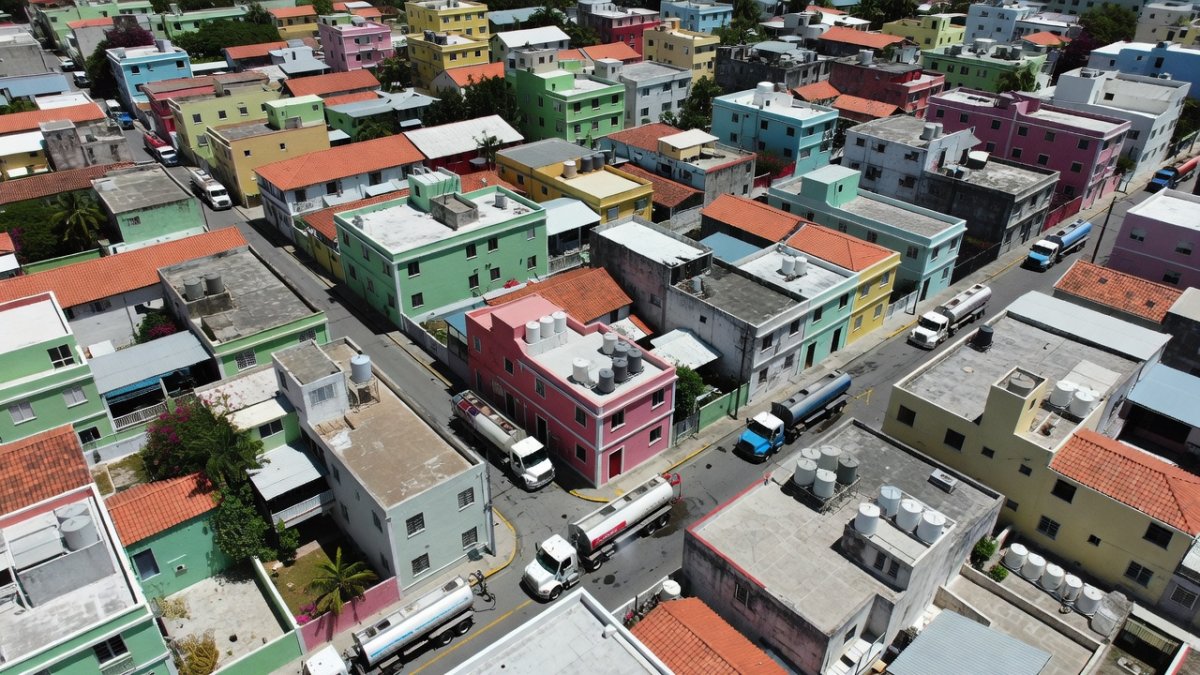
The ongoing water crisis in Puerto Rico stems from a major rupture in the 72-inch Superaqueduct pipeline in Bayamón. Breaks occurred at three separate points, crippling a key distribution backbone for the San Juan metro area. PRASA crews applied concrete reinforcement with accelerants to stabilise the repair before reopening the system gradually to prevent further damage. Residents across multiple municipalities have now gone more than 50 days without reliable running water, turning daily routines into a constant struggle for basic access.
Communities Bearing the Brunt of the Outages
Affected zones stretch from Santurce and Bayamón through Guaynabo, Carolina, Canóvanas and Río Grande. The government has expanded the emergency declaration to include Loíza, Canóvanas and Río Grande. Calle Loíza, a lively commercial strip in San Juan lined with restaurants and bars, stands out as one of the hardest-hit spots. Tens of thousands of customers, nearly 40,000 during the first weekend of the crisis, have felt the impact directly in their homes and businesses.
Local Voices Describe Life Without Water
Jonathan Collazo, owner of Lela's Eatery and Fefis on Calle Loíza, shared how the situation has upended operations. "We were without water for more than 50 days here on Calle Loíza," he said. "This has been as if a hurricane had passed." Collazo depends on two cisterns, including a 1,000-gallon tank that must be refilled every two days at a cost of $300 per fill, with one recent day alone running up $600 in expenses. Nearby, Kali Solack, co-owner of Café Regina and Hilda Deli, noted the daily grind: "We're treating it as a norm unfortunately... spending about $300 a day on water." A coffee shop on the street even keeps a running tally on its window of days without service. PRASA has deployed a fleet of 45 water trucks across the affected zones, coordinating closely with municipal leaders in Bayamón and San Juan to prioritise deliveries to schools, hospitals and high-density neighbourhoods, though residents say the rotations often leave gaps of several days between visits.
Economic Toll on Small Businesses
Jonathan Collazo's mounting expenses paint a stark picture of how the crisis is draining small operators dry. Beyond the $600 spent in a single day on emergency water supplies, the $300 cistern refills every two days have become a relentless financial drain that threatens the very survival of family-run eateries like Lela's and Fefis. These costs do not exist in isolation; they trigger ripple effects through supply chains, as vendors struggle to deliver fresh produce without reliable washing facilities and staff face reduced hours amid unpredictable operations. Nearby, Kali Solack's $300 daily outlay at Café Regina and Hilda Deli compounds the strain, forcing owners to choose between passing costs to customers or absorbing losses that could shutter doors permanently. Tourism-related businesses along Calle Loíza and in Santurce feel the pinch most acutely during peak season, when visitor footfall should be at its height yet cancellations mount as word spreads of unreliable services. This hits Caribbean tourism-dependent economies especially hard, where even brief disruptions can erode the confidence of international travellers who expect seamless hospitality in our sun-drenched islands.
Residents Compare Crisis to Past Disasters
Marta Acevedo, a 75-year-old resident, described this stretch as the longest period without water in her 44 years in the area, exceeding even the hardships after Hurricane María. With over 40 percent of Puerto Rico's 3.2 million residents living below the poverty line, many households cannot afford private cisterns or regular truck deliveries. The strain falls heaviest on families already stretched by rising living costs across the island.
Official Actions and Emergency Measures
Governor Jennifer González-Colón activated the National Guard to help distribute drinking water. Distribution stations have been set up in densely populated neighbourhoods to ease immediate needs. San Juan Mayor Miguel Romero filed a lawsuit against PRASA in late May over the prolonged outages, highlighting frustrations with response times. These steps aim to provide short-term relief while repairs continue, though full restoration remains a gradual process.
Government Emergency Response Under Scrutiny
Governor Jennifer González-Colón's activation of the National Guard marks a significant escalation in efforts to manage distribution amid the prolonged outages. Mayor Miguel Romero's lawsuit against PRASA underscores growing impatience with the pace of repairs and accountability for the extended suffering. The government expanded the emergency declaration to Loíza, Canóvanas and Río Grande on July 7, broadening the scope of official support to additional hard-hit communities. PRASA has outlined an "aggressive agenda" of inspections beginning in July, aiming to identify and address vulnerabilities before further breakdowns occur, though critics question whether these measures will deliver timely relief or merely paper over deeper systemic issues.
Tourism and Economic Fallout
The water crisis is taking a heavy toll on Puerto Rico's tourism-dependent economy, with hotel bookings dropping sharply as visitors cancel stays amid reports of unreliable services. Restaurants along Calle Loíza and in Santurce have shuttered or scaled back hours, unable to maintain hygiene standards without steady supply, while the peak Caribbean tourism season from December onward faces uncertainty as word spreads of the disruptions. Local operators worry that prolonged outages could dent confidence in the island's hospitality sector, much like similar strains seen across the region when basic utilities falter during high season.
Climate Pressures and Infrastructure Strain
A moderate drought affects southern and southwestern Puerto Rico, while a strong El Niño event is expected to limit rainfall through the season. Extreme heat advisories grow more common, and surges of Sahara dust dry the atmosphere further while aggravating respiratory conditions. Hurricane season, running from June to November, adds another layer of risk to an already fragile system. The crisis highlights decades of deferred maintenance on the island's water infrastructure, a challenge familiar to many small island developing states. SIDS like Puerto Rico bear a disproportionate burden from water insecurity, as rising temperatures and erratic weather patterns linked to El Niño exacerbate shortages. Parallels with PREPA, the island's power utility, are striking—both face chronic underinvestment, ageing equipment and vulnerability to climate shocks that leave communities exposed when systems fail.
El Niño's grip on Caribbean rainfall patterns has grown more pronounced, shifting traditional wet seasons into drier spells that leave reservoirs depleted and rivers running low across the archipelago. In Trinidad, the 2024-2025 dry season brought similar hardships, with communities in rural areas turning to trucked supplies as WASA struggled to maintain consistent flow through outdated networks. This broader climate threat to SIDS demands urgent attention, as intensifying weather extremes threaten not only daily access but the long-term viability of agriculture, health and tourism that underpin our island way of life.
Warmer ocean temperatures fuel more erratic storms, while prolonged dry periods sap the very sources that once sustained generations. For small islands, these shifts compound existing vulnerabilities, turning what might be manageable shortages elsewhere into existential challenges for entire populations.
Lessons for the Wider Caribbean Region
Across the Caribbean, nations including Trinidad and Tobago, Jamaica, Barbados and Guyana face similar issues with aging water systems. Climate change intensifies drought conditions, leaving small island developing states particularly exposed to water insecurity. Tourism-dependent economies feel extra pressure when basic services falter, affecting visitor confidence and local livelihoods. Caribbean communities can draw practical insights from PRASA's experience about the true cost of putting off essential upgrades, encouraging greater regional cooperation through bodies like CARICOM to share resources and best practices for resilience. In Trinidad and Tobago, WASA's own struggles with ageing pipes have led to frequent trucking operations, with daily costs often exceeding $4,000 per community during shortages—lessons that underscore the need for proactive maintenance before crises hit.
What This Means for the Caribbean
Trinidad and Tobago knows these struggles intimately through WASA, whose ageing infrastructure mirrors PRASA's woes and leaves many communities reliant on water trucks even in ordinary dry seasons. The cost of such trucking operations in Trinidad often runs into thousands of dollars daily per affected area, a burden that echoes the $300 daily expenses reported by Puerto Rican business owners. Jamaica's National Water Commission and Barbados' Barbados Water Authority grapple with comparable challenges, from leaky mains to climate-driven shortages that test their capacity during peak tourist months. CARICOM holds a vital role in fostering regional water security cooperation, enabling shared expertise, joint funding bids and coordinated responses that could spare our islands from repeating Puerto Rico's ordeal.
Preparing for What Comes Next
As the situation unfolds, residents continue to adapt with community support networks and creative coping strategies. The combination of infrastructure repairs, climate variability and economic pressures underscores the need for sustained investment in water security. Neighbouring islands watch closely, recognising that reliable access to water remains a shared priority in our region amid growing environmental uncertainties.
Looking Ahead
Hurricane season looms with its usual risks, threatening to compound the existing pipeline vulnerabilities just as repairs gain momentum. Forecasters warn that El Niño conditions may linger, extending dry spells into the months ahead and testing already stretched resources. Long-term infrastructure investment remains essential, with PRASA committing to an accelerated inspection regime and phased upgrades aimed at preventing future ruptures. Neighbouring islands stand ready to share lessons, hopeful that collective action through CARICOM can build the resilient water systems our Caribbean home deserves.
By Sharon Sahatoo, Staff WriterThis article was produced with AI-assisted research and editorial support. Reporting is based on sources cited in the article.
What's Your Reaction?
 Like
0
Like
0
 Dislike
0
Dislike
0
 Love
0
Love
0
 Funny
0
Funny
0
 Wow
0
Wow
0
 Sad
0
Sad
0
 Angry
0
Angry
0

Caribbean Correspondent at Global1.News. Based in Port of Spain, Trinidad, covering Caribbean politics, economy, energy, climate, and culture. Amplifying the voices and stories of the Caribbean region.












Comments (0)