
HMRC to review over 100,000 tax bills after savers overcharged by five-year technical error
More than 100,000 taxpayers are facing a review of their bills after HM Revenue & Customs finally conceded that a technical error, in place for five years, may have left savers paying more tax than they owe. The admission, which follows years of complaints, centres on the order in which HMRC’s computer systems apply tax-free allowances — a flaw that can tip the balance between a correct bill and an inflated one....
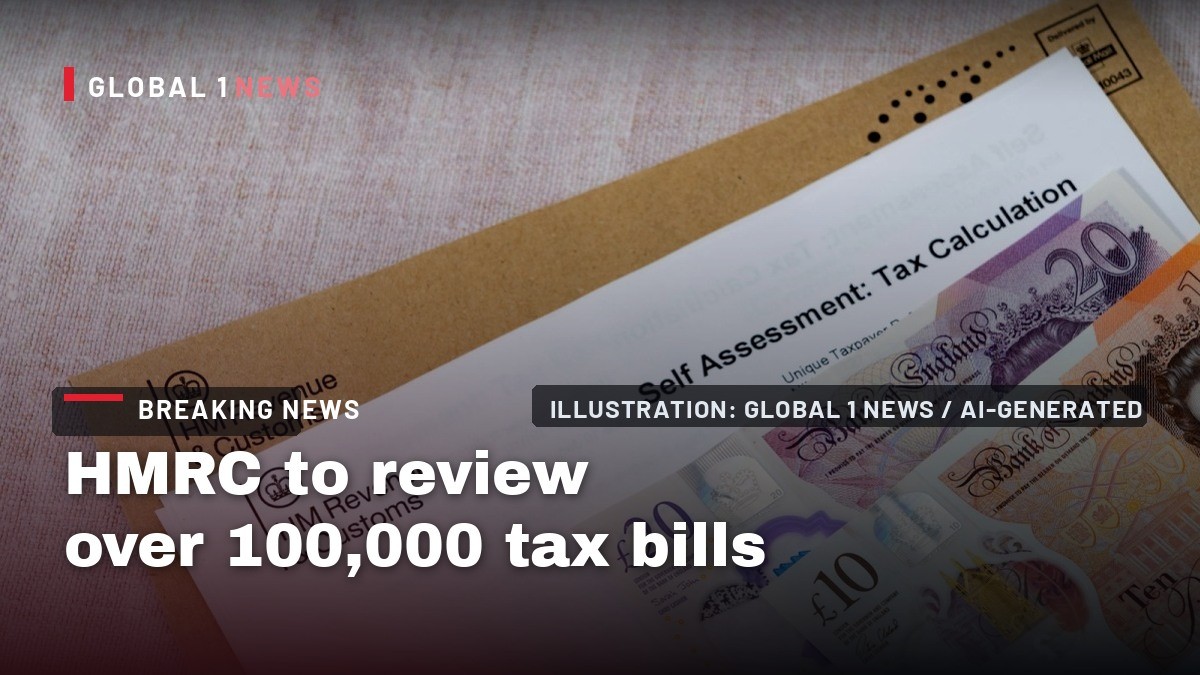
More than 100,000 taxpayers are facing a review of their bills after HM Revenue & Customs finally conceded that a technical error, in place for five years, may have left savers paying more tax than they owe. The admission, which follows years of complaints, centres on the order in which HMRC’s computer systems apply tax-free allowances — a flaw that can tip the balance between a correct bill and an inflated one.
What HMRC is doing and why the error has persisted
HMRC has confirmed it will review over 100,000 cases from the 2025-26 tax year after the issue was first flagged and acknowledged by the authority back in 2021. The total number of cases under scrutiny stands at 107,000, although it is not yet certain how many of those will actually require adjustment. The tax authority believes the number of checks needed in future tax years will fall as a result of changing tax rules and rising tax rates, suggesting the problem may gradually shrink of its own accord even as it is being fixed.
The core of the problem, according to reports, lies in the way HMRC’s systems calculate certain allowances in the wrong order under specific circumstances. Tax rules are designed to give the best outcome automatically to the taxpayer, but the technical ordering errors are instead producing higher bills. An HMRC spokesperson said: “We take extensive action to identify the minority of customers who may be affected and update their tax calculations as needed to ensure they pay the right tax. The number of calculations requiring a manual check is expected to fall to around 20,000 next year.”
That projection of a sharp decline — from over 100,000 to roughly 20,000 — offers some reassurance that the systemic fault is being addressed, but it also raises a pointed question: why has it taken five years to reach this point? For taxpayers caught in the middle, the wait has been costly, both in financial terms and in the simple frustration of dealing with a tax authority that knew of the problem in 2021 yet allowed it to persist through multiple filing seasons.
How the savings allowance works and who is affected
At the heart of the issue is the personal savings allowance, a relatively recent addition to the UK tax landscape that was introduced to simplify the taxation of interest. Basic-rate earners get £1,000 of interest earnings tax free each year. For someone with savings in an account paying 4 per cent interest, that means they would need £25,000 put away to hit the threshold. Higher-rate earners, however, only receive a £500 allowance, and there is no tax-free interest allowance at all for additional-rate taxpayers, who pay 45 per cent on their top slice of income.
The system is further complicated by other thresholds that interact with the savings allowance. There is the dividend allowance for income from shares, and the Personal Allowance itself, which means no tax is paid if someone receives under £12,570 in total income. Each of these allowances is meant to be applied in a sequence that produces the lowest possible tax bill for the individual. But when HMRC’s systems apply them in the wrong order, the result can be a higher charge than the law intends.
The practical impact is most acute for those with modest savings pots who are hovering near the boundaries between tax bands. A basic-rate taxpayer whose total income creeps into higher-rate territory — perhaps through a bonus or a side income — can suddenly find their savings allowance halved from £1,000 to £500, and if the system misorders the allowances, they may end up paying tax on interest that should have been sheltered. It is a niche problem in the grand scheme of the UK tax system, but for the individuals affected, the consequences are real.
What went wrong with the ordering of allowances
The technical flaw is rooted in the sequencing of income types when calculating tax liability. In the UK system, different types of income — employment earnings, savings interest, dividends — are taxed in a specific order, and each has its own associated allowances. The Personal Allowance is generally set against non-savings income first, but the savings allowance and dividend allowance are meant to be allocated in a way that minimises the total tax due.
Rearranging which income type occupies those tax-free allowances first can result in different amounts of tax being owed. The principle is straightforward: taxpayers should be billed with the lowest possible amount. But HMRC’s systems, in certain configurations of income, appear to apply the allowances in a sequence that does not achieve that goal. Instead of the optimal outcome, the technical ordering errors are giving out higher bills.
The fact that this has been acknowledged since 2021 yet continues to affect cases in the 2025-26 tax year suggests the fix is not a simple software patch. It may require a fundamental reworking of how the tax calculation engine handles multiple income streams, a task that is fraught with complexity given the sheer variety of taxpayer circumstances. HMRC’s expectation that manual checks will fall to around 20,000 next year indicates they believe the worst is behind them, but for those still waiting for a corrected calculation, the uncertainty lingers.
Reaction from tax experts and the human cost
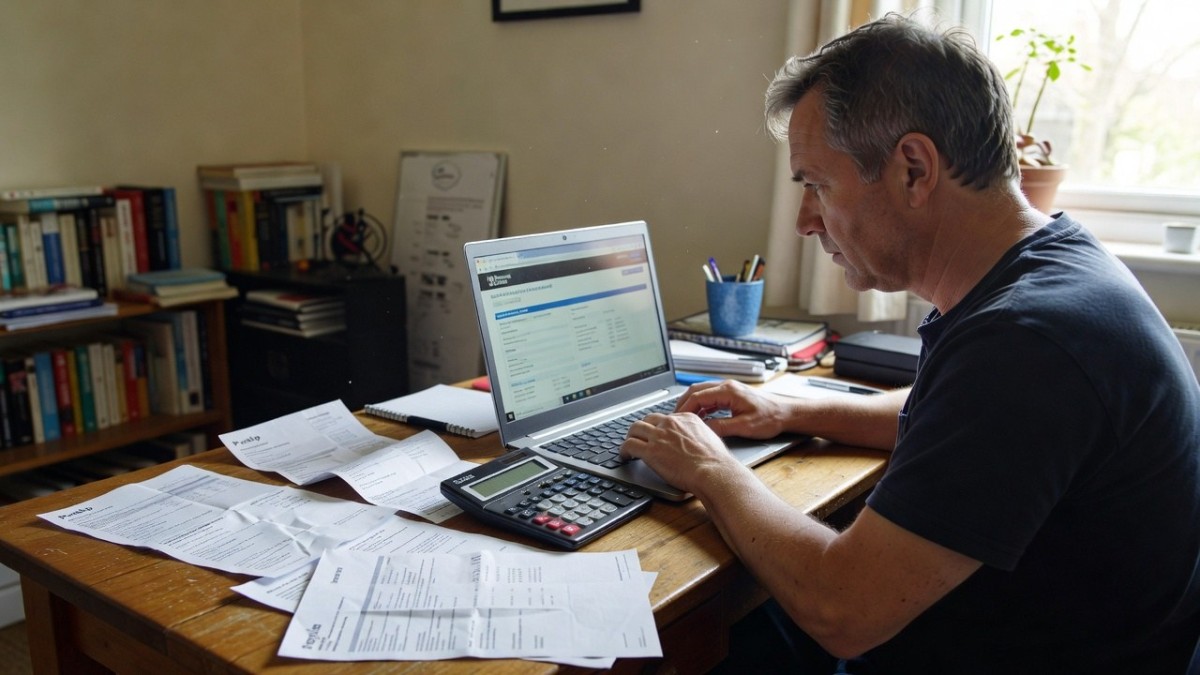
Tax professionals have been quick to point out that while the sums involved may be modest in absolute terms, the principle matters enormously. Stefanie Tremain, of tax firm Blick Rothenberg, captured the frustration succinctly: “We may not be talking about huge amounts but you don't know how much that money is worth to the person who is receiving it. If it was the other way around, and the taxpayer owed HMRC, I don't think they would say not to worry about it - they would want it.”
That asymmetry — HMRC’s apparent willingness to let small overcharges slide while pursuing even minor underpayments with vigour — is a recurring theme in complaints about the UK tax authority. For a pensioner living on a fixed income, an extra £50 or £100 in tax can mean the difference between heating the home and going without. For a young saver trying to build a deposit, it is money that could have been earning interest of its own.
The issue also feeds into a broader perception problem for HMRC. The authority is tasked with collecting revenue efficiently, but when it makes errors, the burden of proof and the hassle of correction fall on the taxpayer. The fact that this particular flaw was known about for years before a full review was announced does little to inspire confidence in the system’s ability to get things right the first time.

What taxpayers should do now and the wider context
For anyone who believes they may have been affected, the first step is to check their tax calculation for the 2025-26 year, particularly if they have savings interest and income from multiple sources. If the calculation appears higher than expected, it is worth contacting HMRC directly or seeking advice from a tax professional. The review of 107,000 cases is underway, but it is not yet clear how taxpayers will be notified if their bill needs adjusting, and proactive checks may be necessary to ensure no one falls through the cracks.
The savings allowance issue is not the only recent headache for HMRC. Last month, it emerged that the authority sent out 80,000 letters to cryptocurrency traders telling them they may owe capital gains tax on profits made from buying and selling Bitcoin and other digital assets. That move, while legally defensible, has been criticised for its timing and for the complexity it imposes on a group of taxpayers who may not have kept detailed records of their trades.
Together, these two episodes paint a picture of an HMRC struggling to keep pace with both the intricacies of its own rules and the evolving nature of how Britons earn and save. The tax system was never designed to handle the sheer variety of income streams that modern life produces, and the software that administers it is showing its age. For the 107,000 taxpayers awaiting a review, the hope is that HMRC delivers on its promise to correct the errors swiftly — and that the lessons learned prevent a similar failure from recurring.
The wider lesson for the Treasury is that complexity has a cost. Every new allowance, threshold or relief added to the system increases the chance of technical errors, and every error erodes trust in the fairness of the tax regime. As HMRC works through its backlog of cases, the focus must be on getting the calculations right — not just for the 107,000 currently affected, but for the millions of taxpayers who rely on the system to treat them fairly.
By Erica Thornton, Staff Writer This article was produced with AI-assisted research and editorial support. Sources: The Independent (UK).What's Your Reaction?
 Like
0
Like
0
 Dislike
0
Dislike
0
 Love
0
Love
0
 Funny
0
Funny
0
 Wow
0
Wow
0
 Sad
0
Sad
0
 Angry
0
Angry
0

US Politics and Policy Correspondent at Global1.News. Based in Washington DC, covering American politics, policy, elections, and the courts. Knows how the system works and tells you what it actually means.












Comments (0)