
Pope Leo XIV Has Lung Cancer, Vatican Says After Removing Lower Lobe of Right Lung
The Vatican says Pope Leo XIV has lung adenocarcinoma and that surgeons removed the lower lobe of his right lung at Gemelli hospital in Rome. No staging, lymph-node result or treatment plan has been announced.
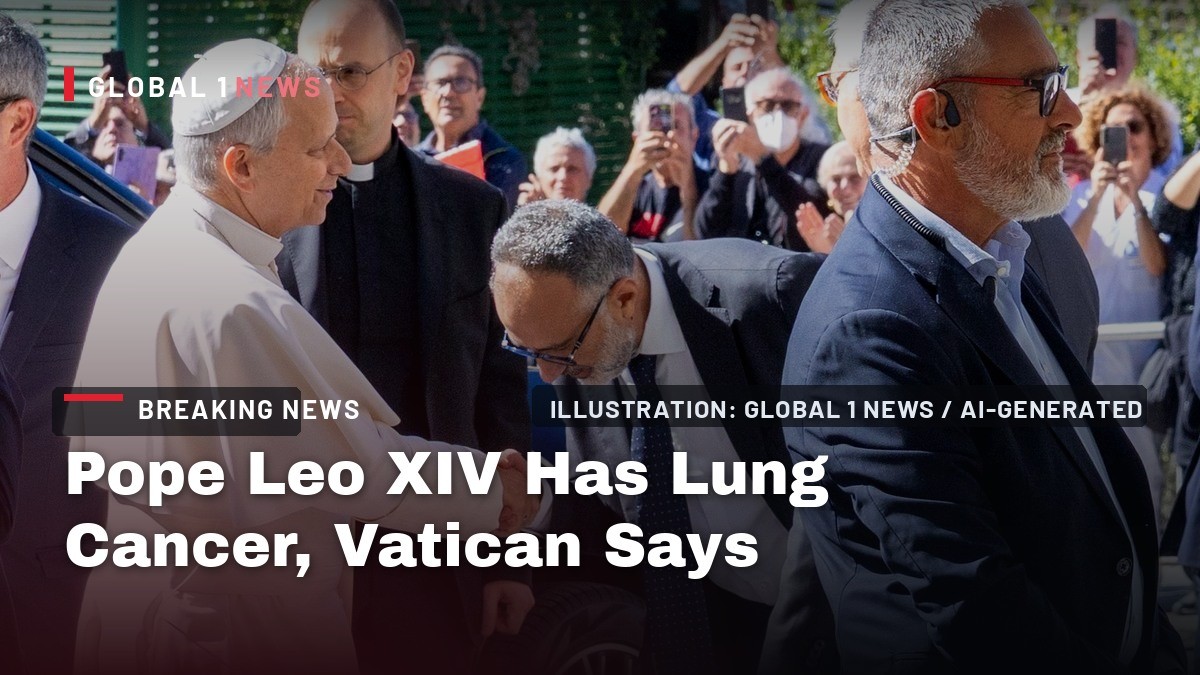
Pope Leo XIV has lung cancer, the Vatican said late Tuesday, after surgeons removed the lower lobe of his right lung to ensure what the Holy See Press Office called the "radical removal of the tumor." The 71-year-old, the first American-born pope, was in the operating room for about three hours at Rome's Agostino Gemelli University Hospital, and the Vatican said the operation was successful, with no complications.
Pope Leo XIV Has Lung Cancer, Vatican Says After Removing Lower Lobe of Right Lung
Vatican City - The bulletin confirmed what preoperative tests had suspected and left the central question of his prognosis unanswered. The Vatican said it would provide another update on Wednesday morning.
What the Vatican Said, and What It Did Not Say
The Holy See Press Office statement was precise and narrow. "The Holy Father underwent thoracic surgery as scheduled," it read. "To ensure the radical removal of the tumor, the lower lobe of the right lung was removed using a video-assisted technique. An intraoperative histological examination confirmed the diagnosis of lung adenocarcinoma, as suspected from preoperative tests."
The word "radical" carried weight. The Vatican press office pointed to it as an indication that doctors removed all suspect tissue in hopes of eliminating any lingering traces of the cancer.
What the statement did not say was equally notable. It made no mention of treatment going forward. The Vatican said doctors were not currently speaking of chemotherapy or other therapies, pending the results of other tests. A Vatican source said early post-operative exams should be ready late on 14 October.
The Pope Walked In on His Own Two Feet
He walked into the hospital through the main entrance shortly after 1 p.m. local time, having left the Vatican by car a few minutes earlier, greeting hospital staff and smiling and waving to the well-wishers gathered outside. He is not staying in the papal suite on the 10th floor; that apartment is undergoing renovations, so he is in a nearby suite on the same floor. After surgery he regained consciousness normally and, following a brief period of observation, returned to his room. A Vatican source said he asked for dinner.
The Vatican has said he is expected to need about one week of recovery, and all his audiences and public events have been cancelled through 20 October, with no planned change to the one-week hospitalization.
What Lung Adenocarcinoma Is
Lung adenocarcinoma is the most common form of lung cancer in the United States, accounting for about 40 percent of all lung cancers, according to the Lung Cancer Foundation of America.
The finding that set this in motion was a lung nodule, a small abnormal area measuring less than 3 centimetres (1.2 inches) that sometimes appears on a CT scan of the chest or abdomen. A nodule can be benign or malignant, and surgical removal is often recommended both to establish whether it is cancer and to treat a malignancy while it is still localized.
The pope disclosed the nodule himself, describing it as small and well-localized. He has no known smoking history and is physically active, working out weekly and riding horses at Castel Gandolfo, the papal retreat.
The Result Nobody Has Yet
Lymph nodes that drain the affected lobe would also have been removed and tested, to determine whether the cancer had spread. There was no word yet on those test results, and no information was given on how far the cancer may have spread. No staging has been announced. No treatment plan has been announced.
Dr. Lorenzo Spaggiari, director of thoracic surgery at the European Institute of Oncology in Milan, is not involved in the pope's care but knows the team at Gemelli. He explained what the missing piece means. "If all those lymph nodes turn out to be negative, so stage one, then the outlook is very good," he said, adding that no other treatment would be necessary in that case.
Spaggiari also said the clinical picture the pope described was encouraging. "These are things that can be treated very well, if the words he used reflect the clinical situation," he said.
The Surgery, the Team and the Hospital
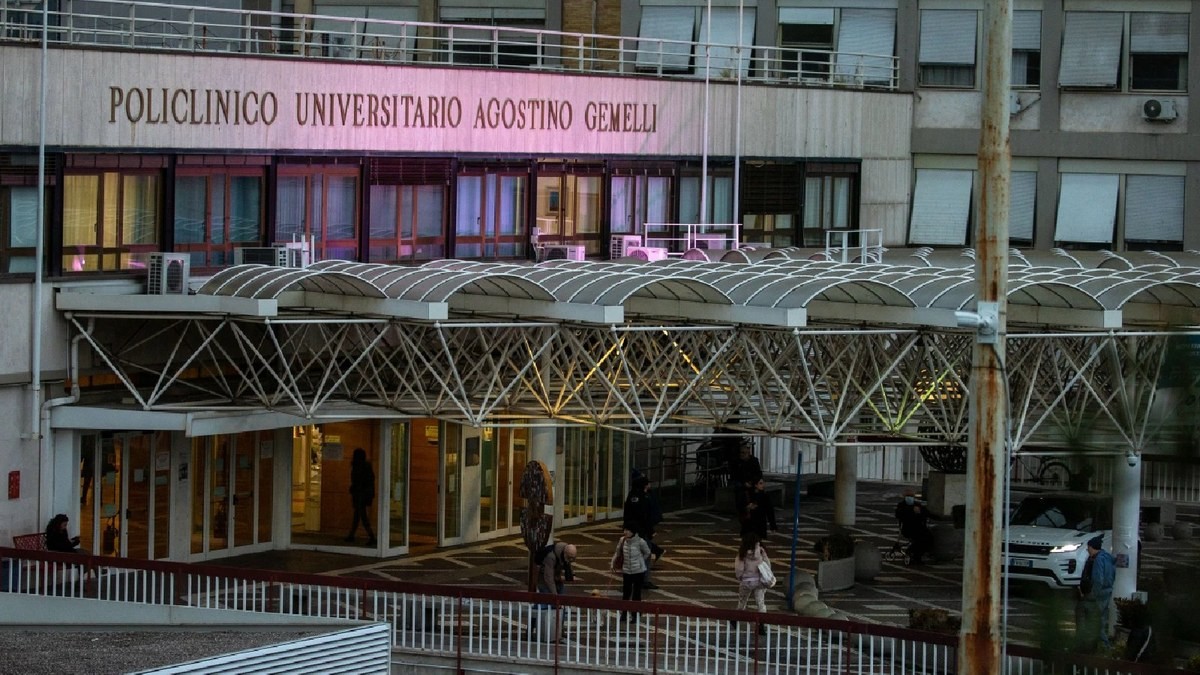
The thoracic surgery team was under the direction of Dr. Stefano Margaritora, Gemelli's director of thoracic surgery and head of the neuroscience and chest department, and a professor of thoracic surgery at the Catholic University of the Sacred Heart in Rome. Dr. Luigi Carbone, the pope's personal doctor, was one of the two doctors whose statement formed the basis of the medical bulletin. Matteo Bruni heads the Vatican press office and briefed reporters.
Spaggiari put the surgical risk in context: a 0.6 percent to 0.8 percent mortality rate for patients in otherwise good health with good heart and lung function. He called the biopsy risk "virtually zero." He also framed the discovery itself in blunt clinical terms. "I think he has had a bit of luck," Spaggiari said. "They found something that was asymptomatic - a lung nodule, possibly a tumor. He might call it something else; we call it luck."
A Vatican That Has Not Always Said This Much
The Vatican has for centuries guarded the health of popes and has often sent out confusing information, or none at all, about papal illnesses. It did not acknowledge the Parkinson's disease that St John Paul II was visibly suffering from toward the end of his life.
Pope Francis tried to change that by being upfront about his frailties, but even during his pontificate information was tightly controlled. Francis' hospital visits were made public only after he was brought there. Leo walked in past the cameras.
Italy's leading newspaper, Corriere della Sera, highlighted the "transparent style" of the first US-born pope in announcing his operation to the world. The pope revealed it himself in perhaps the most public way possible: at the end of his Sunday noon blessing on 11 October, with thousands of people in St Peter's Square. "During some recent medical examinations, the doctors found a small, localized nodule in my lung," he said. "It was detected at a very early stage and is well-localized." He added: "The doctors believe that it is best to intervene, so, following their advice, I have decided to undergo surgery to remove it."
The Latin America Trip Is Now an Open Question
His next major engagement is a demanding tour: a trip to Uruguay, Argentina and Peru scheduled for 6-17 November, roughly a dozen flights over 11 days. Whether it remains viable after the cancer diagnosis is now unknown, but the pope said upon announcing his surgery that he fully intended to travel to Peru.
The European Institute of Oncology advises patients not to fly for three weeks after this surgery. That guidance would give him just the interval needed before the November departure.
Cardinal Isao Kikuchi of Tokyo, who met the pope on Monday, wrote in a Facebook post that the pope told him he "feels nothing wrong with his body" and wanted the operation as soon as possible to allow for his recovery ahead of the trip. "He has decided to undergo surgery soon in order to not change his plans for future overseas trips, so there is no need to worry, as it is not an emergency," Kikuchi wrote.
A Bishops' Meeting That Lost Its Ending
He had to step away from a highly anticipated meeting of the world's senior bishops at the Vatican, discussing his predecessor's document on Catholic teaching around the family, sex and marriage. Cardinals Kevin Farrell and Mario Grech released a joint statement at the start of the afternoon session on 12 October saying the assembly would not be making its final summary report public as previously announced, since the pope would be unable to participate in the last days of the meeting.
"Once the Holy Father has completed his convalescence, we will present to him the results of the assembly, which he is awaiting," they said. "We will then proceed according to his instructions." The synthesis report will not be published at the close of the assembly on Wednesday evening.
He had also been scheduled on the day of the operation to travel outside Rome to present a sustainability award on behalf of his undergraduate alma mater, Villanova University. That was dropped.
Who Runs the Church While the Pope Is Under Anesthesia
The Vatican has detailed laws, rituals and norms to transfer papal power if a pope dies or resigns. None of them apply when he is sick or even unconscious. As a result, Leo remains pope and very much in charge even under general anesthesia. Nothing changes in his status, role or power since he was elected the 267th pope on 8 May 2025.
Canon law has provisions for when a diocesan bishop gets sick and cannot run his diocese, but none for a pope. Canon 412 says a diocese can be declared "impeded" if its bishop, through "captivity, banishment, exile, or incapacity," cannot fulfil his pastoral functions, and the day-to-day running passes to an auxiliary bishop or a vicar general. Even though the pope is bishop of Rome, no explicit provision exists for the pope if he similarly becomes "impeded." Canon 335 declares simply that when the Holy See is "vacant or entirely impeded," nothing can be altered in the governance of the church. It does not say what "entirely impeded" means, or what provisions might come into play if it ever were.
Geraldina Boni, professor of canon law at the University of Bologna and a consultant for the Vatican's legal office, has described how the rule works in practice. "A brief period of impediment doesn't create any problems," she said. "The curial machine proceeds normally with ordinary administration." A team of canon lawyers proposed norms in 2021 to fill that gap, including a path to declaring a "totally impeded see." Boni, one of the organisers, said: "If the condition of a totally incapacitated pope goes on for months or even years, it's clear that this creates great harm for the church and the good of its souls."
What Comes Next
Early post-operative exams should be ready late on Wednesday, 14 October, and the lymph node findings in particular will shape what doctors say about staging and whether any further treatment is required.
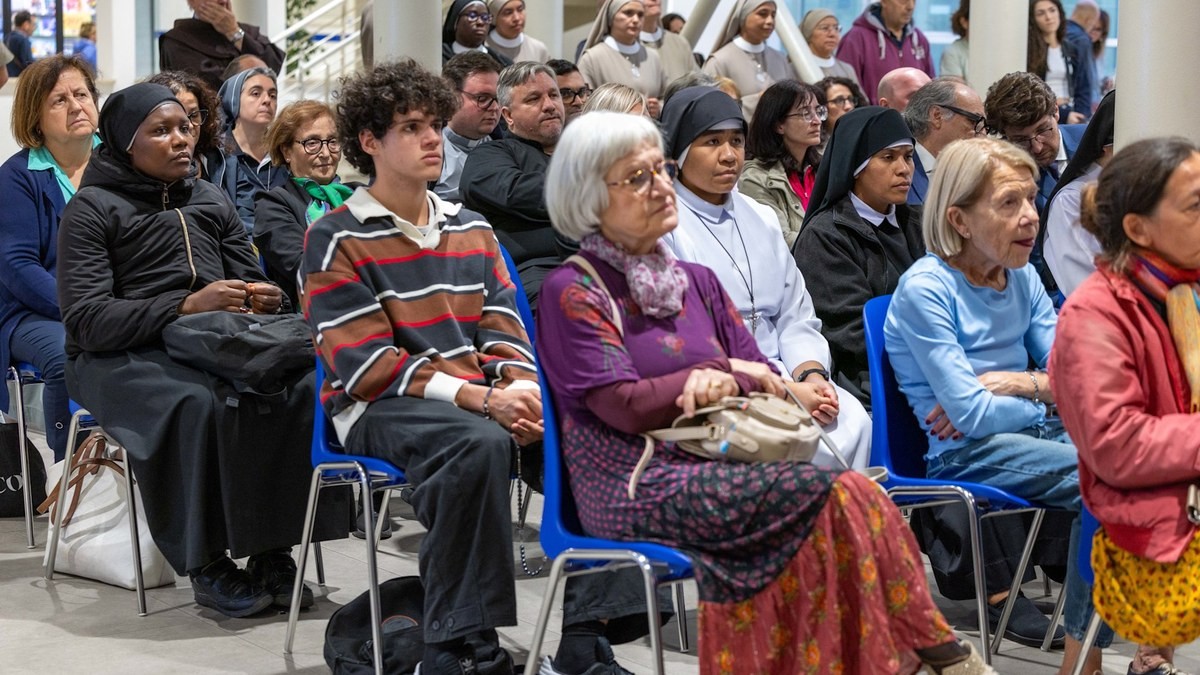
Prayers have been organised in several countries. A rosary was prayed for the pope at Gemelli on Tuesday evening, presided over by Cardinal Baldassare Reina, vicar general of the Diocese of Rome, in the St John Paul II Chapel of the hospital. The Diocese of Chiclayo in northern Peru, which Leo led as bishop from 2015 to 2023, held a Mass for his health on Monday evening local time at the Cathedral of Santa María, and his hometown church of St Mary of the Angels in Chicago held one too. Ecuador's bishops called a national day of prayer for Wednesday.
Cardinal Pietro Parolin, Vatican secretary of state and one of Leo's closest advisers, told reporters that "no one expected" the announcement, but that he had spoken with the pope the day before the operation and they spoke "very calmly." Cardinal Gérald Cyprien Lacroix of Quebec said: "I really appreciated yesterday at the end of the Angelus, he himself said, 'This is what's going on' - very transparent - and ask for prayers."
Whether the Latin America trip survives the diagnosis is a question the Vatican has not yet answered.
By Jessica Ali, Staff Writer
This article was produced with AI-assisted research and editorial support. Sources: Associated Press, Reuters, NPR, CNN, Al Jazeera, National Catholic Reporter, Catholic News Service, EWTN News, Corriere della Sera, Vatican News and the Holy See Press Office.
What's Your Reaction?
 Like
0
Like
0
 Dislike
0
Dislike
0
 Love
0
Love
0
 Funny
0
Funny
0
 Wow
0
Wow
0
 Sad
0
Sad
0
 Angry
0
Angry
0

Editor-in-Chief at Global1.News. Atlanta-based journalist who cuts through the BS and tells it like it is. Lead anchor, host, and the voice you hear when the spin stops and the truth starts.













Comments (0)