
Rwanda to host F1's first race in Africa since 1993
Rwanda’s signing of a ten‑year agreement with Formula 1 marks a historic return of the sport to Africa after more than three decades. The deal, announced in October 2026, will see a purpose‑built circuit in Bugesera, just south of Kigali, host the African Grand Prix from the early 2030s.
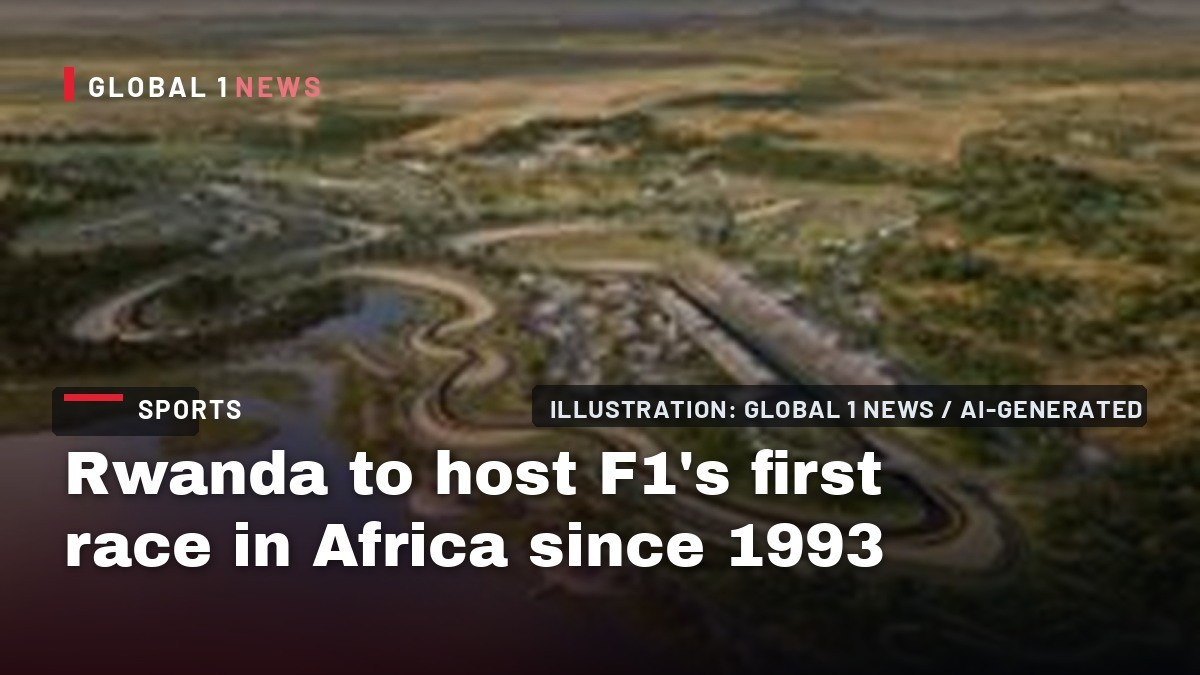
Rwanda’s signing of a ten‑year agreement with Formula 1 marks a historic return of the sport to Africa after more than three decades. The deal, announced in October 2026, will see a purpose‑built circuit in Bugesera, just south of Kigali, host the African Grand Prix from the early 2030s. While the partnership promises jobs, tourism and a new platform for young Africans to see themselves as engineers, technicians and, perhaps one day, drivers, it also raises familiar concerns about sports‑washing and the broader political context in which the race will take place.
The promise of a new African Grand Prix
Formula 1 described the Rwanda project as the result of “years of collaboration” to lay “the right foundations” for a “sustainable and world‑class Grand Prix for generations to come.” The circuit, designed by former driver Alex Wurz, will weave through the natural elevation changes of the Bugesera landscape, offering “exceptional viewing opportunities for fans.” This emphasis on harmony with the terrain signals a shift from the often stark, purpose‑built tracks of the past toward a more context‑sensitive approach.
Rwanda’s President Paul Kagame framed the agreement as a moment of continental pride: “For more than three decades, the world’s premier motorsport championship has raced without this continent, and that changes with this agreement.” He highlighted the potential to inspire “more than 100 million fans across Africa,” especially young people who could see a pathway into the sport beyond the driver’s seat. The government envisions the Bugesera circuit, located near the new international airport, as a catalyst for jobs, skills development and long‑term economic benefits for the region.
Historical context: Africa’s fleeting flirtation with Formula 1
The African Grand Prix is not a brand‑new concept. The first race on the continent was held in Morocco in 1958, followed by a series of events in South Africa during the apartheid era, first in East London (1960‑66) and later at Kyalami near Johannesburg (1976‑85). Kyalami returned for two races in 1992 and 1993 as apartheid waned, marking the last F1 appearance on African soil until now. Talks in recent years explored a return at venues such as Kyalami and Cape Town, but no agreement materialised until Rwanda’s recent deal.
By securing a long‑term contract, Rwanda positions itself as the first African nation to host a Grand Prix in the modern era, a status that could reshape the continent’s motorsport narrative. The move also aligns with Formula 1’s broader ambition to race on “every inhabited continent,” a goal reiterated by F1 president Stefano Domenicali as a “landmark moment.”
Design and technical ambition of the Bugesera circuit
The Bugesera track will be built under the oversight of three firms: the long‑time F1 circuit architect Hermann Tilke, the local company DAR and WurzDesign, led by Alex Wurz. The design promises a “fast and flowing” layout that exploits the region’s hilly topography, delivering significant elevation change and a “unique and challenging racing experience.” Such features are intended to attract drivers seeking technical variety and to provide fans with dramatic on‑track action.
Beyond the physical layout, the circuit’s proximity to Rwanda’s new international airport is strategic. It aims to streamline the logistics of transporting teams, equipment and spectators, while also integrating the venue into broader tourism and business development plans. The partnership with the airport underscores Rwanda’s vision of the Grand Prix as a gateway for international visitors and investment.
Economic hopes and the promise of lasting impact
President Kagame stressed that the race is not merely a one‑off event but a catalyst for “decades to come.” He highlighted the potential for job creation, skills transfer and new business opportunities, particularly in engineering, hospitality and tourism. By linking the Grand Prix to the aspirations of young Africans, the government hopes to nurture a homegrown talent pipeline that could eventually see Rwandan engineers and technicians working on the sport’s most sophisticated machinery.
F1’s own statements echo this sentiment, noting the chance to “inspire and bring the passion of F1 to 100 million people across Africa.” The sport’s global brand could amplify Rwanda’s profile as a hub for high‑tech events, potentially attracting further international conferences and sporting spectacles. However, the scale of these benefits will depend on how effectively the partnership translates the race weekend into sustained economic activity throughout the year.
Timing, climate and calendar considerations
While the exact slot for the African Grand Prix on the F1 calendar remains undecided, organisers are keen to avoid the main rainy season from March to May. A shorter, less disruptive rain period occurs between October and November, which may prove more suitable for both racing conditions and spectator comfort. The decision will also need to fit within F1’s commitment to keep the season at no more than 24 races, balancing the addition of a new venue with the sport’s existing global commitments.
Choosing a favourable window will be crucial for ensuring a smooth inaugural race and for maximising fan attendance, both locally and from abroad. A well‑timed event could also dovetail with other regional festivals or tourism peaks, further amplifying its impact.
Human rights concerns and the spectre of sports‑washing
The agreement has already attracted criticism from human rights advocates. Amnesty International UK’s Felix Jakens warned that Rwanda is “buying into the world’s biggest sport to polish its image and deflect from its appalling human rights record.” He urged Formula 1 to use its influence to push for change rather than lend its brand to a PR exercise. Similar concerns have been raised about Rwanda’s sponsorship of Premier League clubs Arsenal and Aston Villa, which some observers label as sports‑washing.
Complicating matters, Rwanda faces an International Court of Justice case filed by the Democratic Republic of Congo, alleging breaches of treaties covering genocide prevention, racial discrimination, women’s rights and torture. These legal challenges add a layer of diplomatic tension that could affect the race’s perception internationally. As the sport seeks to expand its African footprint, it will need to navigate these criticisms carefully, balancing commercial ambitions with ethical responsibilities.
Looking ahead: what the African Grand Prix could mean for the continent
If the Bugesera circuit delivers on its promise, the African Grand Prix could become a flagship event that showcases the continent’s capacity to host world‑class sporting spectacles. It may inspire a new generation of African engineers, designers and drivers, while also positioning Rwanda as a hub for high‑tech tourism. The partnership could also encourage other African nations to explore similar ventures, potentially leading to a broader motorsport ecosystem across the continent.
Yet the race’s legacy will hinge on more than infrastructure. It will be judged by how effectively it addresses the human rights concerns that shadow it, and whether the economic benefits truly reach ordinary Rwandans. As the early 2030s approach, the world will watch not only the speed of the cars but the speed of progress in ensuring that the sport’s presence on African soil contributes to a more inclusive and just society.
This article was produced with AI-assisted research and editorial support. Reporting is based on the source material cited below. Sources: BBC News Africa; bbc.co.uk; Global1.News (14 October 2026).
By Amara Diop, Staff Writer
What's Your Reaction?
 Like
0
Like
0
 Dislike
0
Dislike
0
 Love
0
Love
0
 Funny
0
Funny
0
 Wow
0
Wow
0
 Sad
0
Sad
0
 Angry
0
Angry
0

West Africa/Sahel Correspondent at Global1.News. Dakar-based journalist covering politics, security, climate, and development across Francophone and Anglophone West Africa. Tells the stories of a region undergoing profound transformation.











Comments (0)