
Disproportionate assets’ case: Kerala HC suspends sentence of former DGP Tomin J. Thachankary
The Kerala High Court on Thursday, 15 October 2026, granted bail to former Director General of Police Tomin J. Thachankary and suspended the four‑year rigorous imprisonment sentence imposed by the Vigilance Court in Kottayam.
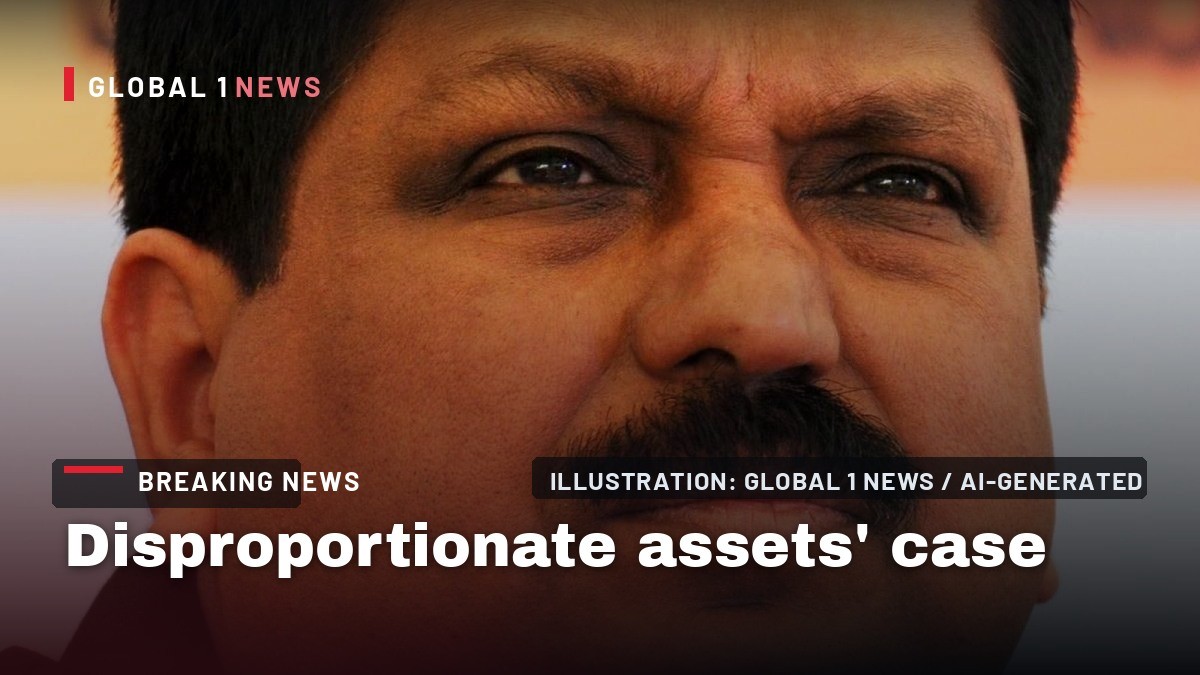
The Kerala High Court on Thursday, 15 October 2026, granted bail to former Director General of Police Tomin J. Thachankary and suspended the four‑year rigorous imprisonment sentence imposed by the Vigilance Court in Kottayam. The decision, delivered by a bench headed by Justice A. Badharudeen, follows a protracted legal battle over a disproportionate assets case that has drawn attention to the mechanisms of anti‑corruption enforcement in India, the procedural safeguards available to senior officials, and the broader policy implications for public‑sector accountability.
Background of the case and the trial court’s findings
Thachankary, who served as Inspector General of Police from 2003 to 2007, was charged under the Prevention of Corruption Act, 1988 for allegedly amassing wealth beyond his known sources of income. The Vigilance and Anti‑Corruption Bureau (VACB) filed a chargesheet asserting that the former police chief had accumulated assets worth ₹64 lakh in excess of his declared earnings. The prosecution quantified a disparity of 52.33 percent between his reported income and the assets it had traced, and highlighted the purchase of 18 properties within a four‑year window—a period that represented a small slice of his 36‑year public service career.
Based on these findings, the trial court sentenced Thachankary to four years of rigorous imprisonment and levied a fine of ₹30.84 lakh. The verdict underscored the court’s reliance on the VACB’s calculations and the stark contrast between the official’s declared earnings and the wealth it alleged he had amassed.
The High Court’s intervention and grounds for suspension
In a separate appeal, Thachankary contested both the sanction order that authorized his prosecution and the methodology employed by the prosecution to arrive at its asset estimates. He argued that the sanction order contained irregularities, and that the VACB had miscalculated several streams of income, including rental receipts, property earnings, and payments made by relatives. He also claimed that assets acquired by his wife were erroneously attributed to him.
Justice A. Badharudeen’s bench, while not overturning the conviction, agreed to suspend the sentence pending a full hearing of the appeal. The suspension reflects a judicial recognition that procedural lapses—if substantiated—could affect the fairness of the trial. It also signals the High Court’s willingness to scrutinise the evidentiary basis of asset‑disproportion calculations, a practice that could have wider ramifications for future corruption prosecutions.
Procedural nuances in anti‑corruption prosecutions
The case highlights the critical role of sanction orders in India’s anti‑corruption framework. Under the Prevention of Corruption Act, a sanction from the competent authority is a prerequisite for initiating prosecution against a public servant. Thachankary’s challenge to the sanction order raises questions about the standards of review applied by supervisory bodies when granting or denying sanction. Any perceived irregularity can become a focal point for defence strategies, potentially delaying or derailing prosecutions.
Moreover, the dispute over asset calculations underscores the complexity of tracing wealth in cases involving multiple income streams and family members. The prosecution’s reliance on a single percentage disparity—52.33 percent—without a transparent breakdown invites scrutiny. Defence counsel can exploit such ambiguities, arguing that the burden of proof has not been met if the methodology is not robustly documented.
Implications for Kerala’s vigilance mechanisms
Kerala’s Vigilance and Anti‑Corruption Bureau has been lauded for its proactive stance against corruption, yet the Thachankary episode reveals potential gaps in investigative rigor. The VACB’s chargesheet, while detailed in terms of asset totals, appears to have been contested on the grounds of calculation errors and attribution of property to the accused. This suggests a need for more granular documentation, perhaps through digital asset‑tracking tools and standardized valuation protocols.
Policy makers in the state may consider strengthening the procedural safeguards that govern VACB investigations. Introducing independent audit mechanisms for asset‑valuation exercises could enhance credibility and reduce the likelihood of successful appeals based on technical flaws. Such reforms would align Kerala’s vigilance apparatus with best practices observed in other Indian states that have integrated forensic accounting units within their anti‑corruption frameworks.
National perspective: balancing accountability and due process
Thachankary’s case sits within a broader national discourse on how to balance stringent anti‑corruption enforcement with the rights of accused public officials. The Prevention of Corruption Act, amended in recent years, has expanded the scope of assets that can be examined, but it also mandates adherence to procedural safeguards to prevent misuse. The High Court’s decision to suspend the sentence, rather than grant an outright stay, reflects an attempt to preserve the integrity of the conviction while allowing the appeal to address procedural concerns.
Legal scholars have noted that excessive reliance on percentage‑based disparities, without contextualising an official’s legitimate earnings, can lead to over‑criminalisation. The Thachankary matter may therefore serve as a cautionary tale for prosecutors: thorough documentation of income sources, transparent valuation of assets, and clear articulation of the methodology are essential to withstand appellate scrutiny.
Potential impact on public sector ethics and training
The public outcry surrounding high‑profile corruption cases often fuels calls for stronger ethical training within the civil services. Kerala’s police cadre, like many other state services, has incorporated ethics modules into its training curriculum, but the Thachankary episode may prompt a reassessment of the depth and frequency of such programmes. Embedding practical sessions on asset disclosure, conflict‑of‑interest management, and legal obligations under the Prevention of Corruption Act could help officials pre‑empt allegations of disproportionate wealth.
Furthermore, the case underscores the importance of robust internal audit mechanisms within police departments. Regular, independent audits of officers’ declared assets, coupled with clear channels for reporting irregularities, can act as early warning systems, reducing the need for external investigations that often become protracted and politically charged.
Looking ahead: the appellate process and broader reforms
With the sentence suspended, the appellate process will now focus on the merits of Thachankary’s challenges to the sanction order and the asset‑valuation methodology. The High Court’s forthcoming judgment will likely set a precedent for how courts assess procedural irregularities in corruption cases. A ruling that favours the defence on technical grounds could embolden other senior officials to contest prosecutions on similar bases, potentially reshaping the landscape of anti‑corruption litigation.
Beyond the courtroom, the case may catalyse policy discussions at the central and state levels about standardising asset‑valuation practices, enhancing the transparency of sanction procedures, and bolstering the capacity of vigilance agencies with modern forensic tools. As India continues to grapple with the twin imperatives of curbing corruption and safeguarding due process, the Thachankary saga serves as a vivid illustration of the delicate balance that must be maintained.
This article was produced with AI-assisted research and editorial support. Reporting is based on the source material cited below. Sources: The Hindu; thehindu.com; Global1.News (15 October 2026).
By Dr. Raj Patel, Staff Writer
What's Your Reaction?
 Like
0
Like
0
 Dislike
0
Dislike
0
 Love
0
Love
0
 Funny
0
Funny
0
 Wow
0
Wow
0
 Sad
0
Sad
0
 Angry
0
Angry
0

India/South Asia Correspondent at Global1.News. Analytical voice with a background in science and health journalism. Based in New Delhi, covering Indian politics, education, healthcare, technology, and policy. Breaks down complex data into clear, actionable reporting.















Comments (0)