
Morocco’s Sale Festival Highlights Women Filmmakers and Their Growing Opportunities
In a vibrant showcase that blends cinematic artistry with gender empowerment, Morocco’s Sale Festival has once again turned its spotlight on women filmmakers across the continent.
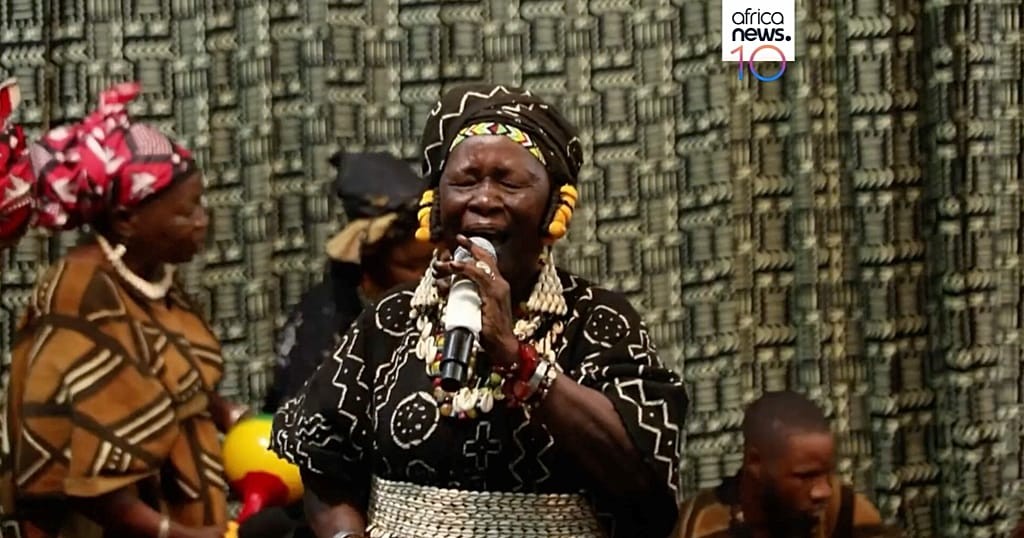
In a vibrant showcase that blends cinematic artistry with gender empowerment, Morocco’s Sale Festival has once again turned its spotlight on women filmmakers across the continent. The Africanews video report, released on 11 October 2026, captures the festival’s enduring commitment to examining the opportunities, funding mechanisms and creative roles available to women behind the camera. As a Senegalese journalist for Global1.News, I find it fitting to reflect on how this celebration, now in its twenty‑second edition, resonates with broader African cultural currents—from the bustling streets of Dakar’s music scene to the bustling film markets of Lagos and Nairobi.
Roots of the Festival: A Two‑Decade Journey
The Sale Festival began its mission twenty‑two years ago, initially focusing on recognising Moroccan women who were carving a place for themselves in a traditionally male‑dominated industry. Over the years, the event has evolved from a modest gathering into a regional platform that draws participants from across the continent. This growth mirrors the broader rise of African cinema, where festivals such as FESPACO and the Panafrican Film Festival have become launchpads for homegrown stories.
From its inception, the festival has been anchored in the belief that visibility is a catalyst for change. By foregrounding women’s narratives, the organizers have created a space where filmmakers can showcase their work, network with peers, and engage with potential financiers. The 2026 edition, as highlighted in the Africanews footage, continues this tradition by foregrounding discussions on funding and the evolving roles women occupy behind the lens.
While the festival’s origins are rooted in Morocco, its impact ripples far beyond its borders. Filmmakers from Senegal, Ghana, Nigeria and other African nations have found in Sale a welcoming arena to present films that explore themes ranging from urban migration to traditional rites. This cross‑border dialogue enriches the continent’s cinematic tapestry, reinforcing the idea that African stories are best told by African voices.
Celebrating Creative Diversity
The video report showcases a kaleidoscope of films that illustrate the breadth of women’s storytelling. From intimate dramas set in rural villages to bold experimental pieces that push visual boundaries, the festival’s programme reflects the multifaceted experiences of African women. Such diversity is crucial, as it challenges monolithic portrayals and invites audiences to engage with nuanced perspectives.
In addition to screenings, the festival features panels where filmmakers discuss the practicalities of production. These sessions, captured in the report, delve into topics such as securing grants, navigating distribution channels, and leveraging digital platforms. By providing concrete guidance, the festival equips creators with tools to transform artistic vision into tangible projects.
The presence of seasoned directors alongside emerging talent creates a mentorship dynamic reminiscent of the African cinema community’s tradition of knowledge sharing. Just as the Pan‑African Film Festival in Ouagadougou has long fostered intergenerational dialogue, Sale’s format encourages seasoned women filmmakers to pass on lessons learned, reinforcing a culture of solidarity that is essential for sustaining growth.
Funding Pathways and Economic Realities
One of the central themes highlighted in the Africanews footage is the examination of funding opportunities for women filmmakers. The festival’s organizers, alongside cultural ministries and private sponsors, convene to discuss how financial support can be better aligned with the realities faced by female creators. This conversation is especially pertinent in a continent where creative industries are increasingly recognised as engines of economic development.
While the report does not list specific grant amounts, it underscores the importance of transparent funding mechanisms that consider the unique challenges women encounter—such as limited access to credit and the balancing act between professional and familial responsibilities. By spotlighting these issues, the festival contributes to a broader continental discourse on gender‑responsive cultural policies, echoing initiatives championed by the African Union’s Department of Social Affairs.
The dialogue also touches on the role of regional bodies like ECOWAS in fostering cross‑border co‑production agreements. Such frameworks can open doors for women filmmakers to tap into larger markets, share resources and amplify the reach of their stories. In this way, the festival not only celebrates artistic achievement but also serves as a catalyst for economic empowerment within the creative sector.
Expanding Roles Behind the Camera
Beyond directing and producing, the festival highlights the expanding spectrum of technical roles women are assuming in film production. The footage reveals workshops on cinematography, sound design and editing, underscoring a commitment to skill development across the entire production pipeline. This holistic approach aligns with trends observed in other African cultural institutions, where training programmes aim to diversify the talent pool.
By encouraging women to engage in these technical domains, the festival challenges entrenched gender stereotypes that have historically confined women to on‑screen or narrative functions. The presence of female cinematographers and sound engineers at Sale signals a shift towards greater gender parity in the technical heart of filmmaking.
These developments have ripple effects beyond the festival floor. As women gain expertise in technical fields, they become mentors for the next generation, fostering a virtuous cycle of empowerment. This mirrors the impact of music education programmes in Senegal, where young women learning the kora or drums have begun to reshape the gender dynamics of traditional music ensembles.
Connecting Festival Highlights to Wider African Culture
The celebration of women filmmakers at Sale resonates with the vibrancy of African cultural expression more broadly. Just as the rhythms of mbalax in Senegal blend tradition with modernity, the films showcased at the festival weave together ancestral narratives with contemporary concerns. This synthesis reflects a continent-wide movement where artists honour heritage while innovating for the future.
Moreover, the festival’s emphasis on storytelling aligns with the oral traditions that have long been a cornerstone of African societies. By translating oral histories into visual narratives, women filmmakers contribute to the preservation and evolution of cultural memory—a role that parallels the work of griots who safeguard communal knowledge through song and speech.
The Africanews report also hints at the festival’s role in fostering pan‑African solidarity. Filmmakers from diverse linguistic and cultural backgrounds converge in Sale, sharing experiences that transcend borders. This spirit of collaboration echoes the ethos of the African Arts Biennial, where artists from across the continent gather to celebrate shared heritage while highlighting distinct local expressions.
Looking Ahead: The Future of Women‑Led Cinema in Africa
As the 2026 edition of Morocco’s Sale Festival draws to a close, the momentum generated by its focus on women filmmakers points toward a promising horizon. The festival’s continued emphasis on funding, skill development and cross‑border collaboration suggests that the next decade will see an even richer tapestry of women‑led cinematic works emerging from Africa.
Future festivals may build on this foundation by deepening partnerships with streaming platforms, thereby expanding the reach of African women’s stories to global audiences. Such exposure can attract further investment, creating a virtuous cycle that fuels both artistic innovation and economic growth.
In the meantime, the festival remains a vital beacon for creators navigating the challenges of the industry. Its commitment to celebrating women’s contributions, as captured in the Africanews video, reinforces the broader narrative of a continent where cultural production is increasingly inclusive, dynamic and globally resonant. For Senegalese audiences and for the continent at large, the success of Sale stands as a testament to the power of collective effort in shaping a more equitable and vibrant African cinematic future.
By Amara Diop, Staff Writer
This article was produced with AI-assisted research and editorial support. Reporting is based on the source material cited below. Sources: africanews video report (11 October 2026); africanews; Global1.News
What's Your Reaction?
 Like
0
Like
0
 Dislike
0
Dislike
0
 Love
0
Love
0
 Funny
0
Funny
0
 Wow
0
Wow
0
 Sad
0
Sad
0
 Angry
0
Angry
0

West Africa/Sahel Correspondent at Global1.News. Dakar-based journalist covering politics, security, climate, and development across Francophone and Anglophone West Africa. Tells the stories of a region undergoing profound transformation.













Comments (0)