
Moscow Airports Shut for Hours as 417 Drones Bear Down on the Capital
Russian air defences said they destroyed 604 drones overnight as 417 bore down on the Moscow region, shutting Domodedovo, Vnukovo and Zhukovsky and disrupting about 150 flights. No casualties have been reported.
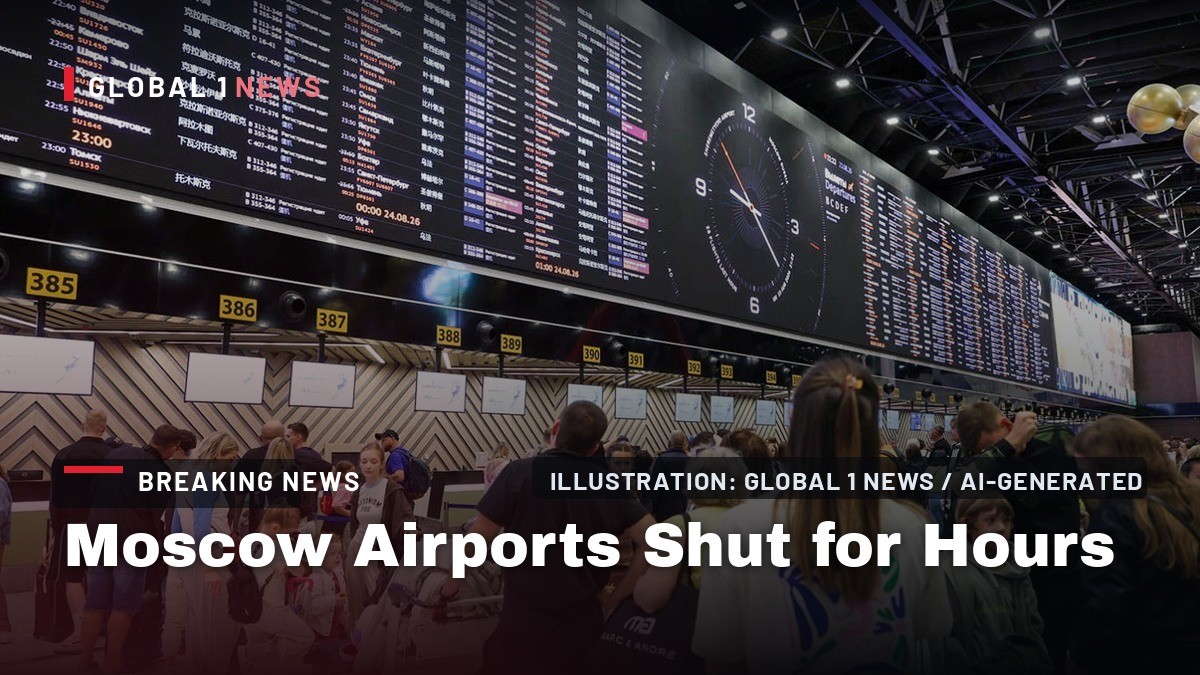
Three of Moscow's airports were thrown into chaos overnight as Russian air defences raced to intercept hundreds of drones converging on the capital region. Mayor Sergei Sobyanin said 417 unmanned aerial vehicles were heading toward Moscow — the latest in a run of attacks that have repeatedly shut the capital's airports. No casualties have been reported.
Moscow Airports Shut for Hours as 417 Drones Bear Down on the Capital
Moscow, Russia — Air defences intercepted most of the drones on distant approaches, while 65 were brought down as they closed on the city, Sobyanin said. The Russian Defence Ministry reported that 604 Ukrainian fixed-wing UAVs were destroyed over 15 regions and the Sea of Azov between 8:00 p.m. Moscow time on October 12 and 8:00 a.m. on October 13. Flight restrictions hit Domodedovo, Vnukovo and Zhukovsky, delaying roughly 150 flights.
A Night of 417 Drones Over the Capital Region
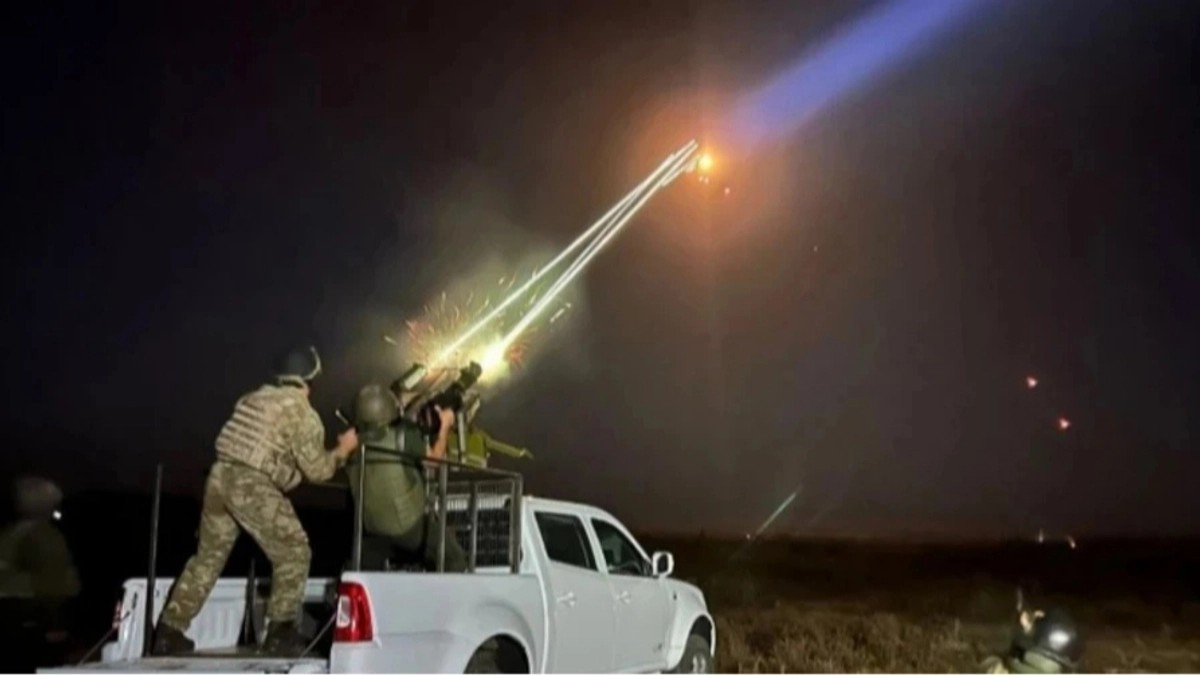
Sobyanin, posting on his Max channel, said 417 UAVs were heading toward Moscow between 8:30 p.m. Moscow time on October 12 and 7:00 a.m. on October 13. Air defences intercepted most of them on the distant approaches, he said, while 65 were destroyed as they approached the capital. No casualties from the drone attack have been reported. TASS, citing its own calculations based on the mayor's data, described the assault as one of the largest since the beginning of the year. Meduza, citing Sobyanin and TASS, reported the same sequence of events and confirmed that temporary flight restrictions were imposed overnight at Domodedovo, Vnukovo and Zhukovsky. The Defence Ministry's tally of 604 destroyed drones spanned the Bryansk, Belgorod, Oryol, Kaluga, Tula, Kursk, Voronezh, Tver, Lipetsk, Ryazan, Rostov, Smolensk, Moscow, Stavropol and Krasnodar Regions, plus the waters of the Sea of Azov.
Three Airports, One Night, a Hundred Delayed Flights
Rosaviatsia's timeline, published by REGIONS.RU, shows how quickly the restrictions moved through the capital's airspace. At 01:11 Moscow time Domodedovo switched to a mode of receiving and dispatching flights in coordination with the relevant agencies. At 02:05 the same regime was introduced at Zhukovsky, and one minute later temporary restrictions took effect at Vnukovo. By 03:12 the parameters at Vnukovo were adjusted and the airport resumed operations in coordination with the relevant agencies. MSK1.RU reported that around 150 flights were delayed or cancelled at Moscow's airports overnight, about a hundred of them at Vnukovo. More than 40 departures were delayed or cancelled there, with heavy disruption to flights bound for Russian cities, Turkey and Egypt, alongside more than 50 delayed or cancelled arrivals and 16 cancellations. Sheremetyevo recorded 21 delayed departures and four cancellations. A UAV-danger regime had been in effect across the Moscow region since 22:33 on October 12.
Vnukovo Closed Twice in Twenty-Four Hours
Vnukovo's press service, quoted by REGIONS.RU, confirmed the airport had twice stopped receiving and dispatching aircraft over the day. "Nevertheless, on October 13 by 05:20 we dispatched 30 flights and received 37. And we continue this work," the service said. Passengers were warned to expect long waits. "Moscow Vnukovo International Airport has stopped receiving and dispatching aircraft. These measures are dictated by security considerations. One should be prepared for a lengthy wait for the restrictions to be lifted, including on board aircraft," the airport told travellers. Fourteen flights bound for Vnukovo were diverted to other airports, according to TASS via Qazinform, with aircraft sent to Sheremetyevo and Domodedovo as well as airports in Nizhny Novgorod and Minsk. Affected origins included St Petersburg, Astana, Antalya, Kaliningrad, Dubai and Izmir. Kommersant reported 40 delayed departures at Vnukovo and said Sobyanin had counted 13 drones downed on the path to Moscow, with 23 destroyed over the region since the start of the day.
Three Turkish Airliners Turned Back Over Lithuania
Three aircraft flying from Turkey to Moscow were forced to turn around in the skies over Lithuania and fly back because Vnukovo had imposed restrictions, according to UA.NEWS and UAWIRE. TASS reported the incident at about 23:00. RT identified the aircraft as belonging to the Turkish carriers Pegasus and AJet, flying from Izmir, Antalya and Istanbul. They turned around over Lithuania and landed in Istanbul. Hours later two flew to Moscow again — the flight from Izmir arrived at 05:55 Moscow time and the one from Antalya at 06:40. The third, originally from Istanbul, was cancelled. At least 14 flights from Minsk, Istanbul, St Petersburg, Astana, Antalya, Hurghada, Kaliningrad, Dubai and Izmir were affected by the disruption, according to the same reporting.
What Fell on Kaluga, Stavropol and Kursk
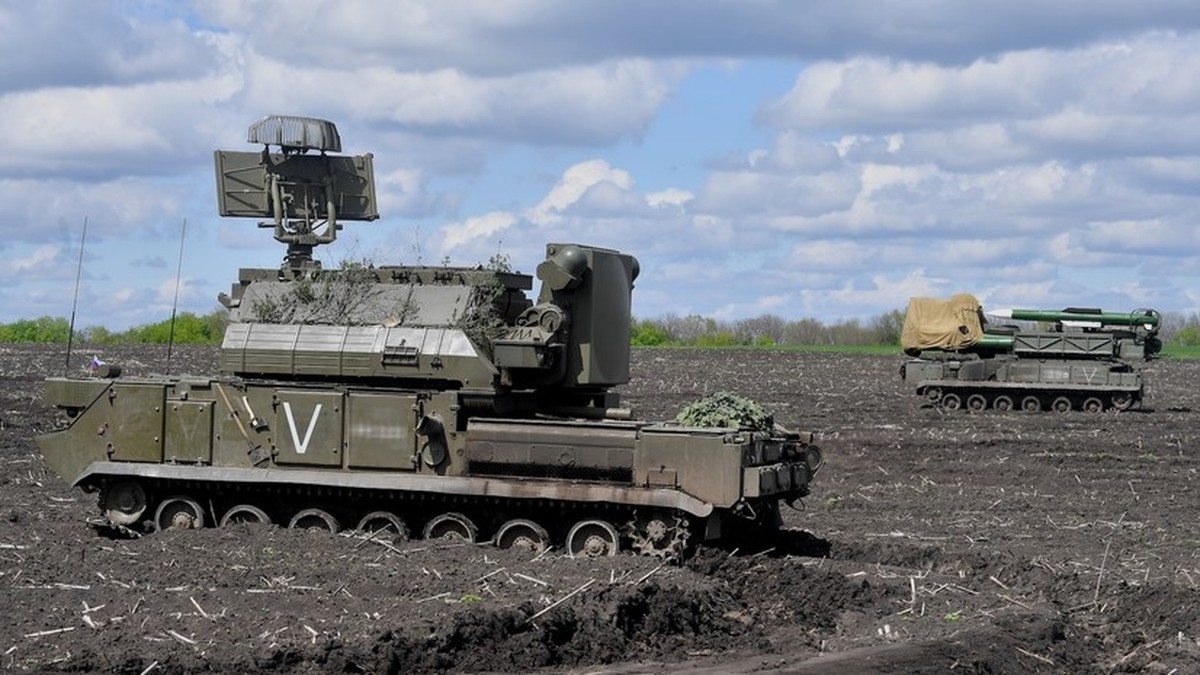
A TASS factbox reported no casualties so far, with damage from falling UAV debris recorded in the industrial zone of Nevinnomyssk in the Stavropol Region. Inspection of the crash sites and assessment of the damage are underway, and emergency services began cleanup operations. In the Mosalsky District of the Kaluga Region, a school, two private houses and a car were damaged, with no casualties. Aif.ru reported that pupils at the damaged school were moved to remote learning for one day, quoting the regional Ministry of Education: "There will be no classes at the school today. Schoolchildren will study remotely for one day." Kaluga Region Governor Vladislav Shapsha said 73 Ukrainian UAVs were destroyed over the region across the previous evening and the night. Stavropol Region Governor Vladimir Vladimirov said air defences repelled a "large-scale aerial attack" and posted: "Thank you to the air defence fighters, it was a very tense night for them."
The Same Night, Russia Struck Ukraine
Ukraine's Air Force, cited by UNN and Ukrainska Pravda, reported that Russia launched five ballistic missiles, nine loitering munitions and 108 strike drones, including 74 jet-powered Shaheds, during the night of October 13. Air defences destroyed or suppressed 88 drones, with hits recorded at 17 locations and from loitering munitions in Kharkiv. Hromadske reported that Ukraine received no advance warning of the ballistic missile launches, and that local Telegram channels reported explosions in the capital before an air raid alert was issued. Mezha, citing BBC Ukraine War, reported air defence activity and several explosions in Lviv shortly after five in the morning. Mayor Andriy Sadovyi reported two drones over the city, while regional governor Maksym Kozytskyi said a downed drone fell on a residential building in the village of Murovane, setting three houses on fire and damaging three cars, with no reports of casualties.
The Energy Ceasefire Enters Its Third Day
Mid-Day reported that Russia struck Ukrainian energy facilities despite the energy ceasefire announced by President Donald Trump, according to Kyiv. RT noted that the strikes occurred two days after Trump declared the ceasefire and warned, "Don't violate it!" — adding that Moscow never confirmed its consent. TASS reported that Zelensky's behaviour was angering Trump amid refinery strikes, and separately that Trump may cut off Ukraine's access to intelligence and Starlink. On October 10, TASS quoted Trump saying the United States had demanded Zelensky halt strikes on Russian oil refineries: "He can't do that because we have a world problem, and the problem is caused by the lack of refineries for diesel fuel." The status of the arrangement remains unresolved, with no confirmation of consent from Moscow.
Why Russia's Airports Keep Going Dark
The overnight closures are the latest in a pattern that has repeatedly paralysed Moscow's airspace. On October 10, Kyiv Post reported a major wave of Ukrainian strike drones on the Moscow region, with Sobyanin claiming air defences downed 403 drones directed toward the region and more than 300 flights delayed or cancelled across Vnukovo, Sheremetyevo and Domodedovo. The Moscow Times reported that on October 9 all four Moscow airports imposed temporary restrictions from about 3:40 p.m. local time, with Vnukovo worst affected — more than 40 percent of flights delayed, an average delay of 102 minutes and another 10 percent cancelled. Kommersant, citing insurer AlfaStrakhovanie, reported that flight cancellations in Russia doubled between January and September compared with the same period last year, with more than 7.6 million passengers waiting over three hours to depart in the first nine months of 2026.
The Numbers Neither Side Can Confirm
The figures released by Russian officials cannot be independently verified. There has been no independent confirmation of the Defence Ministry's 604 figure, and no Ukrainian claim of responsibility for the overnight strikes on Russia. Kyiv has issued no statement claiming the Moscow attack. The casualty picture rests on official statements that no casualties have been reported so far, with no further figures released for the Moscow region. TASS's characterisation of the assault as one of the largest since the beginning of the year is its own calculation, based on the mayor's posts. On September 20, the Kyiv Independent reported that Zelensky and Ukraine's General Staff confirmed the Gazpromneft Moscow Oil Refinery in the Kapotnya district was targeted and set ablaze, while Sobyanin said more than 1,600 drones were intercepted across Russia, 450 of them aimed at Moscow, describing it as the largest-ever Ukrainian attack on the capital. The Kyiv Independent said it could not verify those numbers.
What Comes Next
At the time of writing, RT reported that flight restrictions remained in force at Domodedovo and had been lifted at Zhukovsky. Sobyanin reported five more drones downed heading for Moscow at about 11:08 Moscow time, suggesting the pressure on the capital's airspace had not fully eased. The human toll from the past week remains raw: Mezha reported that Russian attacks killed five people in the Kharkiv region and injured 45, while The Moscow Times reported that a massive Ukrainian drone attack on the Moscow region on October 6 killed two people and injured nine, according to Governor Andrei Vorobyov. In the Kursk Region, Governor Alexander Khinshtein said drones attacked a resuscitation ambulance in the Belovsky district the previous evening, wounding a paramedic who received blind shrapnel wounds to the right thigh, right shoulder and right forearm.
By Jessica Ali, Staff Writer
This article was produced with AI-assisted research and editorial support. Sources: TASS, Meduza, REGIONS.RU, MSK1.RU, Kommersant, RT, Interfax, RIA Novosti, Aif.ru, Qazinform, UA.NEWS, UAWIRE, Ukrainska Pravda, UNN, Hromadske, Mezha, Kyiv Post, The Moscow Times, Kyiv Independent and Mid-Day.
What's Your Reaction?
 Like
0
Like
0
 Dislike
0
Dislike
0
 Love
0
Love
0
 Funny
0
Funny
0
 Wow
0
Wow
0
 Sad
0
Sad
0
 Angry
0
Angry
0

Editor-in-Chief at Global1.News. Atlanta-based journalist who cuts through the BS and tells it like it is. Lead anchor, host, and the voice you hear when the spin stops and the truth starts.












Comments (0)