
Film shares 'rich tapestry' of Windrush children's lives
In the bustling cultural hub of Bristol, a new documentary is pulling back the curtain on a generation that has long been spoken about but rarely seen in its own words.
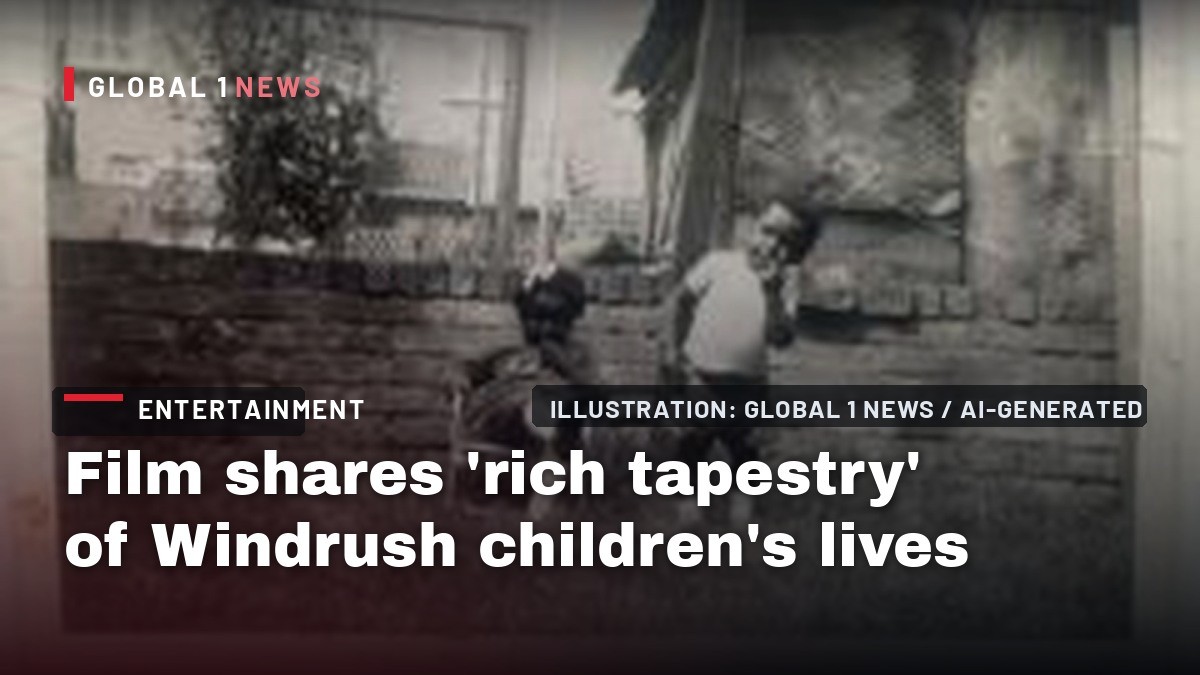
In the bustling cultural hub of Bristol, a new documentary is pulling back the curtain on a generation that has long been spoken about but rarely seen in its own words. “First Born Second: Voices of the Windrush Era” brings together seven local voices to chart the lived experience of growing up black and British in the 1970s and 1980s. The film, co‑produced by Roger Griffith MBE and directed by Michelle Pascal, is more than a collection of personal anecdotes; it is a vivid tableau of resilience, belonging and the clash of cultures that shaped a community still wrestling with the legacies of post‑war migration.
The Genesis of a Story
Roger Griffith, who serves as both co‑producer and project curator, explains that the documentary was born out of a desire to honour the pioneering Caribbean parents who arrived on the HMT Empire Windrush and its sister ships. Their journey was framed by a promise to help rebuild a Britain still scarred by the Second World War, a promise that quickly turned into a lived reality of discrimination and cultural negotiation. Griffith says the film aims to showcase the “rich tapestry” of a Bristolian, British, black experience—a tapestry woven from threads of triumph, tragedy and everyday joy.
Director Michelle Pascal adds that the “untold” stories she collected revealed a broader picture of resilience that extends beyond individual triumphs. She notes that many of the participants have gone on to achieve “brilliant careers,” underscoring how the children of the Windrush generation have contributed to the social and economic fabric of the United Kingdom while navigating the double‑edged sword of dual identity.
Personal Voices: From Joy to Disillusion
Broadcaster Sherrie Eugene‑Hart, one of the seven featured voices, recalls a childhood marked by communal celebrations where “anybody was invited.” In her recollection, the early years were suffused with a sense of belonging that shielded the children from the harsher realities of racism. “We didn’t really see the negative side of life until we grew up,” she says, highlighting how her parents, protective and hopeful, tried to shield their children from the “racism, institutional discrimination and a clash of cultures” that would later surface.
Eugene‑Hart also touches on the darker side of the era, describing how her parents were reluctant to recount the trauma of being chased by Teddy Boys—a 1950s white British youth subculture that often turned violent toward black youths. The memory of being denied jobs adds another layer to the narrative, illustrating how systemic barriers persisted long after the initial wave of migration.
Shared Symbols of Home
One of the most striking motifs that emerges in the film is the “Caribbean front room,” a space that served as both a cultural anchor and a private sanctuary. Pascal points out that the “glass fish”—decorative ornaments common in Caribbean households—appear repeatedly throughout the documentary, acting as visual signposts of shared heritage. This symbolic front room, with its familiar objects, becomes a conduit for memory, linking the participants’ childhoods to a broader diaspora experience.
In a related exhibition titled “Dominican Front Room,” Eugene‑Hart and fellow participant Beverly Douglas have recreated this intimate setting at the Undershed. The exhibit, which visitors can explore before the film’s screening, offers a tactile glimpse into the domestic world that shaped these children’s identities, reinforcing the film’s emphasis on the everyday, lived reality of the Windrush generation’s offspring.
Historical Context: The Windrush Legacy
The documentary situates personal narratives within the larger historical movement that began with the arrival of the HMT Empire Windrush in 1948. While the source material notes that “several hundred people who migrated were Jamaican,” it also acknowledges the broader Caribbean representation, including migrants from Trinidad, St Lucia, Grenada and Barbados. This diversity underscores that the Windrush story is not monolithic but a mosaic of island cultures converging on British soil.
Over time, the Windrush ship itself has become a symbol of a “wider mass‑migration movement,” a reminder of the promises and betrayals that have defined the relationship between the UK and its Caribbean diaspora. The film’s focus on the second generation—children who grew up in Britain yet carried the weight of their parents’ histories—offers a fresh lens on this enduring legacy.
From Research to Screen: The Making of First Born Second
Griffith describes the film as the culmination of years of research and personal reflection. He notes that he has been “thinking about” the project for a while, suggesting a deep, scholarly engagement with the subject matter. Watching Pascal’s directorial talent “flourish” and seeing her translate these stories to the screen has been “just moving” for him, indicating a collaborative synergy that bridges academic inquiry and artistic expression.
The film’s premiere is set for 29 October at the Watershed in Bristol, a venue known for showcasing socially relevant works. This timing positions the documentary within a broader cultural conversation about race, identity and the lingering effects of post‑war migration policies, inviting audiences to confront both the triumphs and the ongoing challenges faced by the children of the Windrush era.
Community Impact and Future Dialogue
Beyond its cinematic debut, the documentary is poised to spark community dialogue. By foregrounding personal testimonies, the film encourages viewers to consider how “institutional discrimination” and cultural clashes continue to shape the lives of black Britons today. The involvement of local institutions—such as the Undershed exhibition—demonstrates a grassroots commitment to preserving and interrogating this history.
Moreover, the film’s release coincides with a period of heightened public awareness about the Windrush scandal, a series of wrongful deportations and denial of rights that have haunted the community for years. While the source material does not detail the scandal, the documentary’s focus on the children’s lived experience adds a human dimension to the broader political narrative, reminding audiences that policy decisions reverberate across generations.
Why This Story Matters Across the Atlantic
As a journalist rooted in the Latin American experience, I see clear parallels between the Windrush story and the migration histories of our own region. The Caribbean diaspora’s journey to the United Kingdom mirrors the movements of Latin American peoples across borders—driven by promises of opportunity, yet often met with prejudice and systemic barriers. The film’s emphasis on “a rich tapestry” of cultural hybridity resonates with the lived realities of countless families who navigate dual identities, whether in Brazil, Mexico or the Andean nations.
By documenting the voices of Bristol’s Windrush children, “First Born Second” contributes to a global conversation about how post‑colonial societies reckon with their pasts. It underscores the importance of preserving oral histories, of turning personal memory into collective memory, and of confronting the lingering shadows of discrimination. In doing so, the documentary not only honors a specific community but also offers a template for how other regions might capture and celebrate the stories of their own diaspora generations.
This article was produced with AI-assisted research and editorial support. Reporting is based on the source material cited below. Sources: BBC News Latin America; bbc.co.uk; Global1.News (13 October 2026).
By Elena Vasquez, Staff Writer
What's Your Reaction?
 Like
0
Like
0
 Dislike
0
Dislike
0
 Love
0
Love
0
 Funny
0
Funny
0
 Wow
0
Wow
0
 Sad
0
Sad
0
 Angry
0
Angry
0

Latin America Correspondent at Global1.News. Based in Mexico City, covering politics, economics, energy, and culture across the region. Brings an on-the-ground perspective to stories spanning from the Rio Grande to Patagonia.













Comments (0)