
Has Trump's Iran Strategy Backfired? Hormuz Standoff Deepens
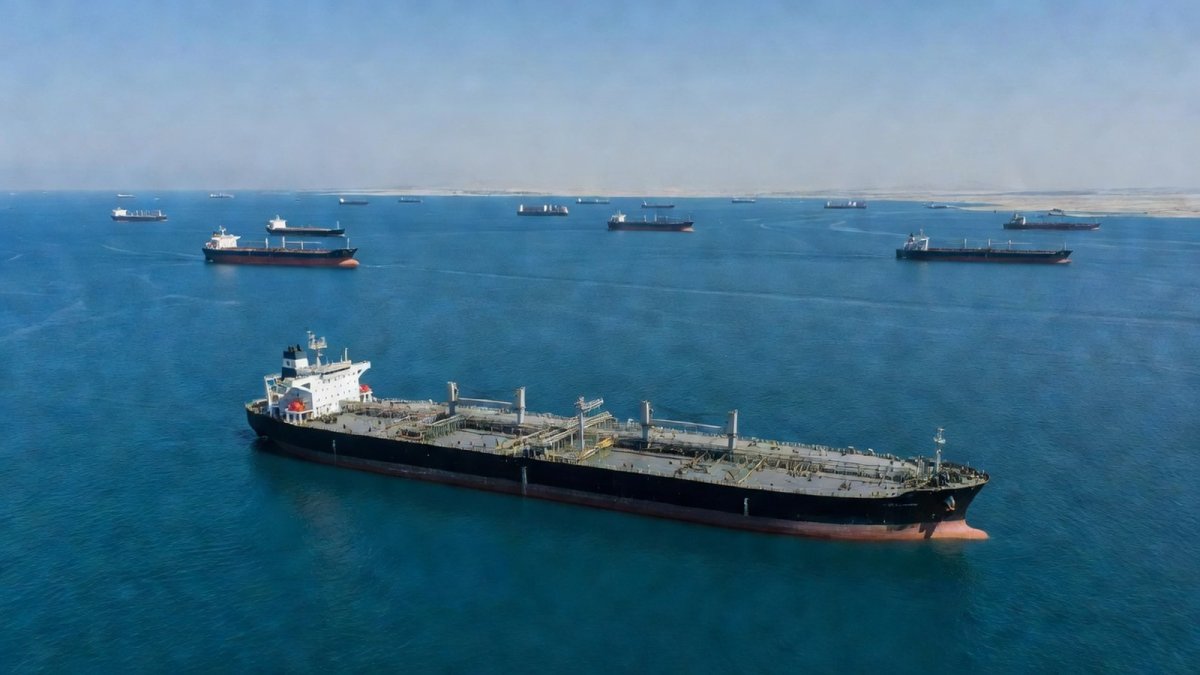
The confrontation between Washington and Tehran over the Strait of Hormuz continues to shape Gulf security and global energy flows. With roughly one-fifth of the world's energy supplies passing through the narrow waterway before the conflict, any prolonged closure directly affects oil prices and shipping insurance across Asia and Europe.
Has Trump's Iran Strategy Backfired?
Beirut, Lebanon - August 5, 2026 - US President Donald Trump cancelled planned military strikes against Iran on Saturday August 1, 2026, after reaching the perimeters of a deal that would require the immediate, complete, and total opening of the Hormuz Strait and an end to Iran's nuclear threat. The decision followed direct appeals from Gulf leaders, most notably Saudi Crown Prince Mohammed bin Salman, who urged de-escalation during calls on Air Force One. Trump stated that the planned operation would have constituted the biggest attack since World War II, yet he chose to pause after regional governments requested restraint.
The Reversal - Trump's Cancelled Strike and the Perimeters of a Deal
Trump announced the stand-down on Truth Social, describing US forces as locked and loaded at levels of military power not seen since World War II before Iran and other regional governments asked him to hold off. The agreement framework explicitly ties any pause to the full reopening of the Strait of Hormuz and verifiable limits on Iran's nuclear program. New talks were scheduled to begin Monday August 3, with Israel publicly aligning itself with the US commitment to these conditions.
Saudi Crown Prince Mohammed bin Salman played a central role in the final hours, telling Trump that Gulf states would much prefer a deal over an attack because the ultimate direction of escalation remained uncertain. This intervention came after weeks of direct US-Saudi coordination on regional security. The reversal therefore reflects both Washington's leverage and Riyadh's preference for negotiated outcomes that protect energy infrastructure and shipping lanes.
Trump's decision also referenced coordination with Israeli officials, who joined the commitment to press for Hormuz access and nuclear rollback. The episode illustrates how personal diplomacy between heads of state can override operational military plans at the last moment. Observers note that the pause leaves open the question of enforcement mechanisms should Tehran fail to meet the stated benchmarks.
Tehran's Calculus - Psychological Operations and IRGC Stance
Iran's acting Defence Minister Brigadier General Majid Ebn-e-Reza framed Trump's pullback as part of psychological operations and a war of calculations. He stated that Iranian forces would neither be taken by surprise nor remain passive in the face of continued pressure. This language signals Tehran's intent to maintain operational readiness while testing the durability of the proposed deal.
Iran's Mehr news agency dismissed Trump's claim that Tehran had requested the pause, calling it nothing but a new lie. Fars news agency, which maintains close ties to the Islamic Revolutionary Guard Corps, declared that the Strait of Hormuz would remain closed as long as the United States maintains its hostile actions. These statements indicate that domestic messaging in Iran prioritizes defiance over immediate concession.
Earlier in the week, Iran fired ballistic missiles toward US forces in Jordan; US air defences intercepted the projectiles. US and Saudi forces then retaliated with strikes on Iran-backed militia targets in Iraq, while US warplanes resumed attacks inside Iran. Iran's wartime military command warned that US and other regional interests could face tit-for-tat strikes if Washington targeted civilian infrastructure such as power plants and petrochemical facilities.
Historical Background - Five Months of Conflict and the Collapsed MoU
The war began in late February 2026 when US and Israeli forces launched large-scale strikes on Iranian territory. Iran responded with waves of missiles and drones against US and Israeli assets across the region and closed the Strait of Hormuz. The closure immediately disrupted tanker traffic that previously carried about a fifth of global energy supplies, raising insurance premiums and forcing rerouting around the Cape of Good Hope.
A fragile June 2026 memorandum of understanding brokered with Pakistan's assistance collapsed within weeks after Iranian attacks on commercial shipping in and around the Strait. Mediators including Pakistan, Qatar, Oman, and Turkiye have since sought to revive the framework. Iran's Foreign Minister Abbas Araghchi has held conversations with his Saudi counterpart as part of these parallel diplomatic tracks.
Kuwait reported being hit by Iranian drones on Saturday, while two ships came under attack off Oman in the Strait of Hormuz. These incidents underscore how the conflict has already produced spillover effects on neighboring states that maintain varying degrees of neutrality. The pattern of escalation and partial de-escalation has now lasted more than five months without a decisive resolution.
The Strait of Hormuz has long functioned as a critical chokepoint whose vulnerability shapes energy security calculations for importers and exporters alike. Historical episodes such as the Tanker War of the 1980s and the tanker attacks of 2019 demonstrated how even limited disruptions can force costly rerouting and elevate war-risk premiums across the industry. These precedents inform current assessments of how quickly markets might absorb renewed pressure on the waterway.
The June 2026 memorandum's rapid unraveling stemmed from mismatched expectations over enforcement and verification, leaving mediators to rebuild confidence through incremental confidence-building measures. OPEC+ members have watched these developments closely, recognizing that any sustained interruption affects collective production discipline and revenue stability. China's reliance on steady flows through the Strait adds another layer of external pressure on both Washington and Tehran to avoid indefinite closure.
Regional Dynamics - Gulf States Between Washington and Tehran
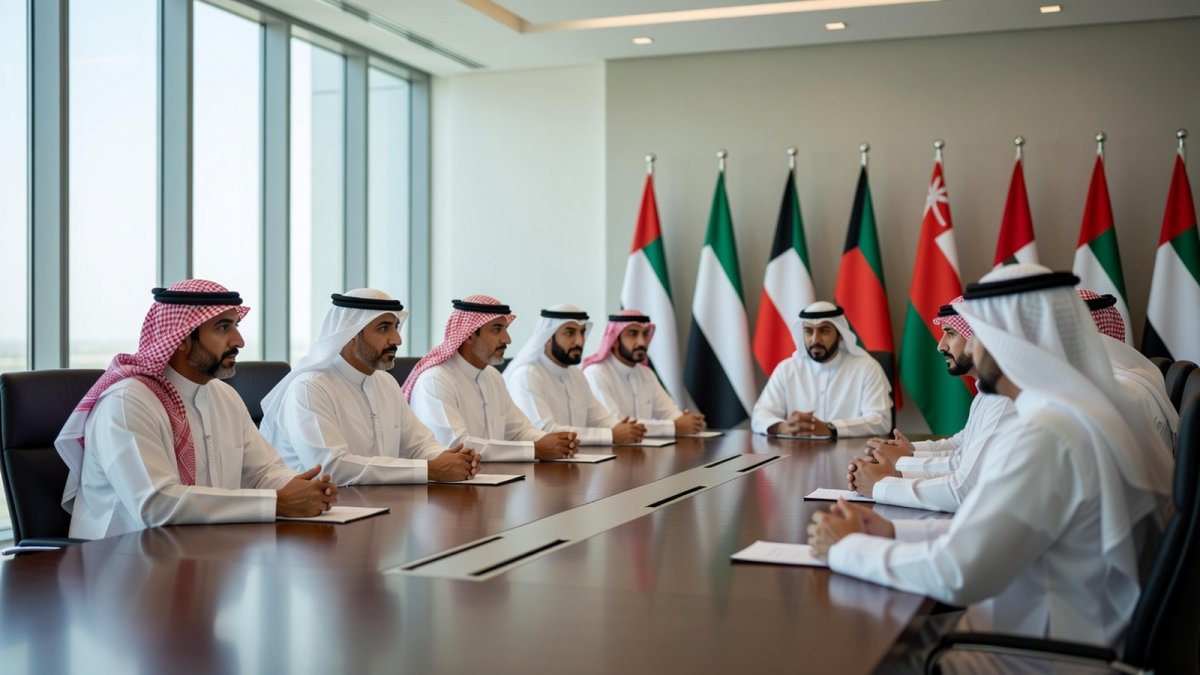
Gulf capitals find themselves navigating between US demands for Hormuz access and Iranian warnings against further escalation. Saudi Arabia's push for de-escalation through MBS reflects a broader strategy of protecting energy exports while avoiding direct entanglement in prolonged hostilities. Riyadh's contacts with Tehran via Abbas Araghchi demonstrate an interest in maintaining open channels even during active conflict.
Qatar, Oman, and Turkiye continue their mediation roles, leveraging geographic proximity and established ties with both sides. These efforts aim to prevent the conflict from permanently damaging regional trade routes and investment climates. Smaller Gulf states, including Kuwait, have already absorbed direct strikes, highlighting the risks of geographic proximity to the main theater.
The pressure on Gulf diversification plans remains acute. Prolonged uncertainty over the Strait raises questions about the reliability of energy revenues that fund economic reform programs across the region. States are therefore balancing immediate security concerns with longer-term goals of reducing dependence on hydrocarbon transit through contested waters.
The UAE has adopted a measured posture that prioritizes protection of its energy infrastructure and shipping interests while maintaining alignment with broader Gulf security objectives. Qatar's liquefied natural gas exports depend heavily on uninterrupted passage through the Strait, giving Doha a strong incentive to support mediation that restores normal transit without provoking further Iranian retaliation. Iraq's electricity grid remains tied to Iranian gas supplies, creating domestic vulnerabilities that limit Baghdad's room for maneuver in the current standoff.
Abraham Accords-era security cooperation with Israel has introduced additional complexity for Gulf capitals weighing their options. These alignments provide intelligence and deterrence benefits yet risk drawing states into escalation ladders they would prefer to avoid. Regional actors therefore calibrate public statements and private diplomacy to preserve flexibility amid competing pressures from Washington and Tehran.
Strategic Calculus - Washington, Tehran, and Ellwood's Critique
Washington seeks the immediate reopening of the Strait of Hormuz and verifiable constraints on Iran's nuclear program. These objectives align with broader aims of restoring freedom of navigation and preventing further nuclear advances that could alter regional power balances. The cancelled strikes indicate that US planners weighed the costs of large-scale operations against the possibility of negotiated gains.
Tehran's priorities center on sanctions relief, regime survival, and retention of leverage through control of the Strait. Iranian officials have rejected claims that they requested the pause, suggesting that any deal must deliver tangible economic benefits without requiring unilateral disarmament. The IRGC's public stance reinforces the message that military options remain on the table.
Former UK Minister for the Middle East Tobias Ellwood has argued that the Trump administration has been poorly advised, pointing to the strategic costs of the military campaign. Ellwood's assessment highlights second-order effects on oil price movements, shipping insurance rates, and US credibility among regional partners. These factors could influence future calculations if talks scheduled for August 3 fail to produce concrete movement on Hormuz access.
Oil price movements have already reflected heightened uncertainty, with war-risk insurance premiums for tankers rising sharply and prompting some operators to consider longer Cape of Good Hope routes. These added costs compound pressure on global supply chains and affect downstream consumers across Asia and Europe. China's exposure as a major energy importer through the Strait gives Beijing a distinct interest in seeing tensions contained before further volatility disrupts its import security.
Ellwood's characterization of the administration as poorly advised underscores potential damage to US credibility when regional partners perceive last-minute reversals as reactive rather than strategic. Such perceptions could complicate future burden-sharing arrangements and reduce the perceived reliability of American security guarantees. Observers therefore watch the August talks for signs that Washington can convert diplomatic pause into durable leverage without eroding trust among Gulf partners.
Regional Implications - Stability, Energy Markets, and Alliances
The coming weeks will test whether the proposed deal can translate into sustained reopening of the Strait and verifiable nuclear limits. Failure to achieve these benchmarks risks renewed US military action and further Iranian retaliation against commercial and military targets. Energy markets remain sensitive to any sign that Hormuz transit could be interrupted again.
Alliance patterns across the Gulf continue to evolve under the strain of the five-month conflict. Saudi-Iranian diplomatic contacts and multilateral mediation efforts by Qatar, Oman, and Turkiye represent attempts to create off-ramps. The durability of these channels will determine whether the region can avoid a wider conflagration that draws in additional external powers.
Longer-term stability hinges on whether Washington and Tehran can convert the current pause into a framework that addresses both navigation rights and nuclear concerns. Absent such progress, the risk of renewed closure of the Strait and corresponding spikes in global energy costs will persist. Regional actors will continue to calibrate their positions according to these shifting calculations.
By Malik Hassan, Staff WriterThis article was produced with AI-assisted research and editorial support. Reporting is based on sources cited in the article.
What's Your Reaction?
 Like
0
Like
0
 Dislike
0
Dislike
0
 Love
0
Love
0
 Funny
0
Funny
0
 Wow
0
Wow
0
 Sad
0
Sad
0
 Angry
0
Angry
0
Middle East Correspondent at Global1.News. Based in Beirut, covering politics, conflict, energy, and society across the Middle East. Brings context and depth to a region often reduced to headlines.











Comments (0)