
She lost her sight - now she is fighting to make history for Africa
Rukayat Taiwo Suleimon’s triumph at the 2026 World Sambo Cup in Yerevan marks a watershed moment for African sport, showcasing how resilience can turn personal hardship into continental pride.
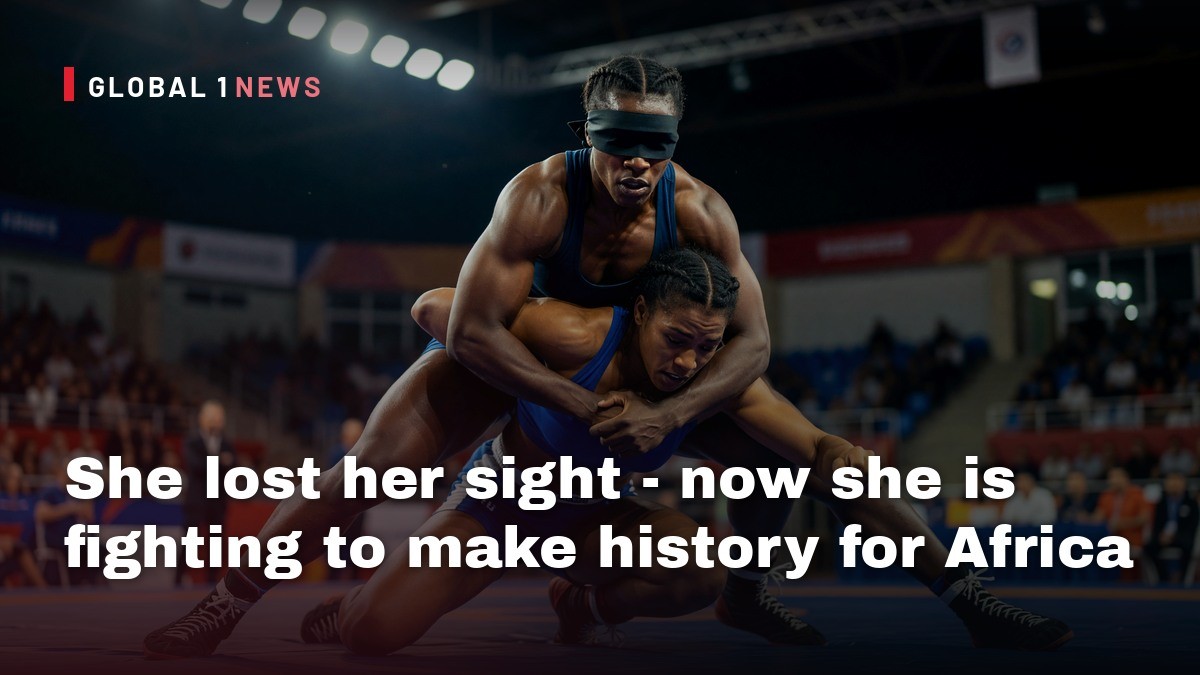
Rukayat Taiwo Suleimon’s triumph at the 2026 World Sambo Cup in Yerevan marks a watershed moment for African sport, showcasing how resilience can turn personal hardship into continental pride. The 32‑year‑old Nigerian, who lost her sight to glaucoma in 2009, became the first blind woman to claim gold in the sport’s premier global competition, a feat that reverberates far beyond the mat.
From darkness to the mat: a journey of discovery
Suleimon’s path to the podium began after a series of failed eye surgeries left her blind. The loss of vision plunged her into isolation, as she recalled friends withdrawing and a sense of abandonment taking hold. Yet a turning point arrived when she enrolled in a vocational training centre for blind people in Lagos, where a para‑athletics coach introduced her to the possibilities of sport.
From that moment, she transitioned from sprinting and field events—earning more than twenty national medals in athletics—to judo, and finally to sambo, a combat discipline rooted in Soviet military training. Her rapid ascent in sambo, a sport she only began this year, underscores both natural talent and an unyielding determination to rebuild her life through competition.
The historic gold in Yerevan
Competing in the women’s 54kg category at the World Sambo Cup, Suleimon faced Uzbekistan’s Charos Ortikova in the final. She emerged victorious, securing gold on her international debut and, crucially, becoming the first visually‑impaired woman to compete at the event. “Being the first female blind sambist in the world to win the gold medal makes me great,” she told BBC Sport Africa, attributing her success to divine blessing and personal perseverance.
The victory was not an isolated triumph; it formed part of a broader breakthrough for African women in sambo. Alongside compatriot Elizabeth Aseso, who contested the 59kg division, Suleimon represented a new generation of African athletes breaking into a sport historically dominated by Eastern European nations.
Personal reflections on achievement and adversity
Suleimon’s own words reveal a complex mix of pride and yearning for greater support. She acknowledges that her blindness, while a challenge, may have sharpened her resolve: “If I were not blind, I don’t think I would be at this level. I believe I will achieve even more.” Yet she also laments the disparity between international recognition and the limited resources available at home.
Her twin sister, Ganiyat Kehinde Suleimon, echoed this sentiment, emphasizing that disability has never defined her sibling’s worth. “She is someone we are all proud of. She is now a champion,” Ganiyat said, highlighting the familial pride that fuels Rukayat’s ambition.
Systemic challenges facing Nigerian para‑athletes
The gold medal shines a spotlight on the broader struggles of Nigeria’s para‑sport community. Despite recent milestones—such as Samuel Oladele Kekere becoming the first blind African to compete at the World Sambo Championships in Kazakhstan two years ago, and Sodiq Ajibade’s bronze in Kyrgyzstan—the infrastructure remains inadequate.
Sherif Hammed, vice‑president of the Sambo Association of Nigeria, warned that a lack of facilities and funding hampers athletes’ potential. “When athletes do not have facilities to train, they cannot compete at the world level,” he explained, noting that many visually‑impaired athletes feel a societal message that they have “no purpose in life.”
Everyday hurdles: training, travel, and finances
For Suleimon, the logistical realities of training are stark. As a Lagos State judo champion, she must rise before dawn to navigate a city plagued by traffic and costly transport. “I leave home at 5.30 am to make it to training on time,” she said, illustrating how even basic access to practice sessions can be a daily battle.
These challenges extend beyond personal inconvenience. The financial strain of commuting, equipment, and coaching fees often falls on athletes themselves, limiting the pool of talent that can rise to international competition without external sponsorship or state backing.
Impact on future generations of blind athletes
Suleimon’s story serves as both inspiration and a call to action for aspiring blind athletes across Africa. After her defeat in the opening round of the World Sambo Championships in Tashkent, she remained resolute, emphasizing the importance of visibility: “I want to encourage my fellow blind Africans to believe they can do it, and I want to make my country proud again.”
Her visibility on the world stage challenges prevailing stereotypes and offers a tangible example that disability does not preclude excellence. As more African nations invest in inclusive sport programmes, Suleimon’s gold could become a catalyst for broader institutional change, encouraging policymakers to allocate resources toward accessible training facilities and specialised coaching.
Looking ahead: hopes for sustained support and growth
While Suleimon celebrates her historic win, she urges the Nigerian sporting establishment to translate accolades into concrete support. “Despite making Nigeria and the whole of Africa proud, there is nothing to show for it,” she lamented, echoing the frustration of many para‑athletes who see their achievements celebrated abroad but not sufficiently rewarded at home.
The path forward will require coordinated effort: government bodies, national federations, and private sponsors must recognize the potential of athletes like Suleimon and invest in the infrastructure that nurtures talent from grassroots to elite levels. If such support materialises, the legacy of a blind woman who turned a personal tragedy into a gold‑medal triumph could evolve into a broader narrative of African sporting excellence, where every child—regardless of ability—can envision a place on the world stage.
This article was produced with AI-assisted research and editorial support. Reporting is based on the source material cited below. Sources: BBC News Africa; bbc.co.uk; Global1.News (09 November 2026).
By Amara Diop, Staff Writer
What's Your Reaction?
 Like
0
 Dislike
0
 Love
0
 Funny
0
 Wow
0
 Sad
0
 Angry
0
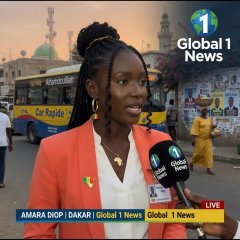
West Africa/Sahel Correspondent at Global1.News. Dakar-based journalist covering politics, security, climate, and development across Francophone and Anglophone West Africa. Tells the stories of a region undergoing profound transformation.









Comments (0)