
Trump claims Iran war could end soon as Tehran holds firm on conditions
In a striking development that has sent ripples through diplomatic circles worldwide, US President Donald Trump told reporters there is growing momentum toward ending the war with Iran, describing a fresh round of military strikes as “quite unlikely”.
In a striking development that has sent ripples through diplomatic circles worldwide, US President Donald Trump told reporters there is growing momentum toward ending the war with Iran, describing a fresh round of military strikes as “quite unlikely”. The comments, delivered in Washington after a meeting with Qatar’s Prime Minister Sheikh Mohammed bin Abdulrahman Al Thani, were captured by Al Jazeera English and now form the basis of our video report. While the President’s optimism appears to reflect a back‑channel push for peace, Tehran’s response underscores a starkly different reality – a war that cannot be declared over while strikes and blockades persist. For South African fans of sport and politics alike, the unfolding drama offers a reminder of how quickly negotiations can shift, much like a sudden change of tactics on the rugby field.
Trump’s optimism and the Washington‑Qatar dialogue
President Trump’s remarks were framed around a sense of “momentum” toward a diplomatic resolution. He emphasized that the United States is prepared to resume military action if necessary, yet he portrayed the likelihood of renewed strikes as low. The backdrop to his statement was a meeting in Washington with Qatar’s Prime Minister Sheikh Mohammed bin Abdulrahman Al Thani, a gathering that, according to Al Jazeera’s Kimberly Halkett, included discussion of an Iranian proposal to end the conflict.
The presence of the Qatari prime minister is significant. Qatar has positioned itself as a mediator in regional disputes, and its involvement suggests that the proposal discussed may have carried weight in the broader Gulf diplomatic arena. Trump’s reference to “momentum” hints that the United States sees a window of opportunity, perhaps spurred by Qatar’s diplomatic outreach, to bring the war to a close without further bloodshed.
For South Africans, the notion of a diplomatic push backed by a regional player resonates with the way our own sports bodies sometimes rely on neutral venues or mediators to settle disputes. Just as the International Cricket Council can convene neutral grounds to defuse tensions, the US‑Qatar dialogue reflects a similar attempt to find common ground amid a volatile situation.
Iran’s seven conditions for peace
While the United States projects confidence, Tehran has issued a clear set of demands. A senior Iranian security official outlined seven conditions that must be met for the war to end. These include lifting sanctions, ending hostilities across the region, paying compensation, and unfreezing Iranian assets. The demands, as reported by Al Jazeera’s Muhammad al‑Val from Tehran, paint a picture of a nation seeking comprehensive relief rather than a simple cease‑fire.
The call for sanctions relief mirrors the broader economic pressures Iran has faced for years. By linking the end of hostilities to the removal of sanctions, Tehran is signalling that any lasting peace must address the financial strangulation it has endured. The demand for compensation and asset unfreezing further underscores a desire for tangible reparations, not merely a symbolic end to fighting.
South African observers can draw parallels with the way our own sports federations negotiate compensation for players or teams affected by disruptions. When the Premier Soccer League had to negotiate compensation for clubs during the COVID‑19 lockdown, the discussions hinged on financial relief as a condition for resuming play. Iran’s stance reflects a similar logic – peace is tied to economic restoration.
Contrasting narratives: US confidence versus Iranian scepticism
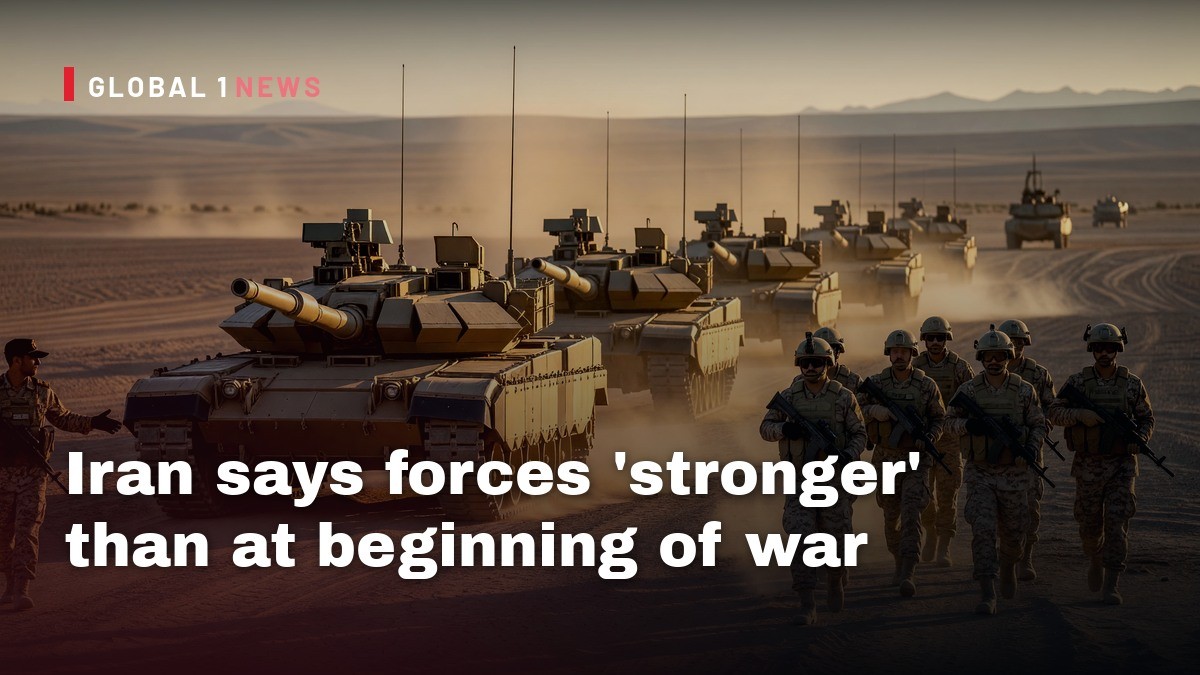
Trump’s assertion that a resurgence of strikes is “quite unlikely” stands in sharp contrast to Tehran’s insistence that the conflict cannot be considered over while strikes and blockades continue. This divergence highlights a classic diplomatic tug‑of‑war where each side frames the reality to suit its strategic aims.
From the US perspective, portraying the conflict as winding down serves domestic political narratives and reinforces a perception of decisive leadership. For Iran, emphasizing the ongoing nature of the blockade and strikes reinforces its resolve to extract concessions and maintain leverage in negotiations.
In South African sport, we have seen similar dual narratives when teams negotiate broadcasting rights or sponsorship deals. One side may tout progress, while the other underscores lingering issues to strengthen its bargaining position. The current Iran‑US discourse mirrors that dynamic, with each side projecting a different timeline and set of conditions for peace.
Implications for regional stability and South African interests
The potential de‑escalation of the Iran war carries weight for the wider Middle East, a region that directly influences global energy markets and, by extension, South Africa’s energy security. A reduction in hostilities could ease oil price volatility, benefitting South African consumers and industries reliant on imported fuel.
Moreover, the involvement of Qatar as a mediator aligns with the broader trend of Gulf states seeking to position themselves as peace brokers. Should Qatar’s diplomatic efforts bear fruit, it could set a precedent for regional conflict resolution that South African diplomats might study when addressing our own continental challenges, such as the ongoing peace processes in the Great Lakes region.
From a sporting lens, a calmer Middle East could open up new opportunities for South African athletes and teams to tour or compete in the region. Football clubs from the Premier Soccer League have previously toured the Gulf for friendlies, and a stable environment would make such exchanges more feasible, fostering talent development and commercial partnerships.
Domestic political fallout in the United States
President Trump’s public optimism arrives at a time when US domestic politics remain highly polarized. By declaring that renewed strikes are unlikely, he seeks to project a narrative of effective leadership and successful diplomatic engagement. This stance may resonate with supporters who value a decisive foreign policy, while critics may question the substance behind the optimism, especially given Tehran’s firm rejection of Washington’s public assessment.
The contrast between the President’s statements and Tehran’s conditions could become a focal point in US political debate, much like how South African sports administrators are scrutinised when negotiating broadcasting deals or sponsorships. The public will look for tangible outcomes – in this case, a verifiable cease‑fire or a signed agreement – to assess the credibility of the President’s claims.
For South African readers, the episode serves as a reminder of how political leaders use international events to shape domestic narratives. Just as SARU’s leadership is judged on its handling of transformation policies, US leaders are judged on how they navigate the delicate balance between military readiness and diplomatic progress.
Looking ahead: what the next steps might mean for South Africa
As the situation evolves, South African policymakers and sports administrators alike will be watching closely. If the seven Iranian conditions are met, we could see a formal end to the war, potentially stabilising the region and opening doors for increased trade and sporting exchanges. Conversely, if the stalemate persists, the continued blockade and strikes may prolong uncertainty, affecting oil prices and, by extension, South African economic stability.
From a sporting perspective, a resolution could pave the way for South African teams to participate in regional tournaments or host joint training camps in the Gulf, fostering cross‑cultural ties. The prospect of a peaceful Middle East also aligns with South Africa’s broader diplomatic goal of promoting unity through sport, echoing the legacy of the 1995 Rugby World Cup where sport helped bridge divides.
In the meantime, the global community, including South African media, will continue to monitor the dialogue between Washington, Doha, and Tehran. The Al Jazeera report, with its on‑the‑ground footage from both Washington and Tehran, provides a snapshot of a complex negotiation that could reshape regional dynamics. As always, we will keep our readers updated on how this high‑stakes diplomatic game unfolds, and what it means for South Africans who live at the intersection of sport, politics, and global affairs.
By Dante Williams, Staff Writer
This article was produced with AI-assisted research and editorial support. Reporting is based on the source material cited below. Sources: Al Jazeera English video report (10 November 2026); Al Jazeera English; Global1.News
What's Your Reaction?
 Like
0
 Dislike
0
 Love
0
 Funny
0
 Wow
0
 Sad
0
 Angry
0

Breaking News and Investigations Correspondent at Global1.News. Based in London, covering global breaking news, security, and investigative stories. Known for digging deeper and connecting the dots across continents.









Comments (0)