
Israel's Change Bloc Names a Speaker Before It Has a Government
Israel's change bloc has nominated former minister Matan Kahana for Knesset speaker, hours before the 26th Knesset is sworn in, as UTJ refuses to back an early vote to replace Speaker Amir Ohana.
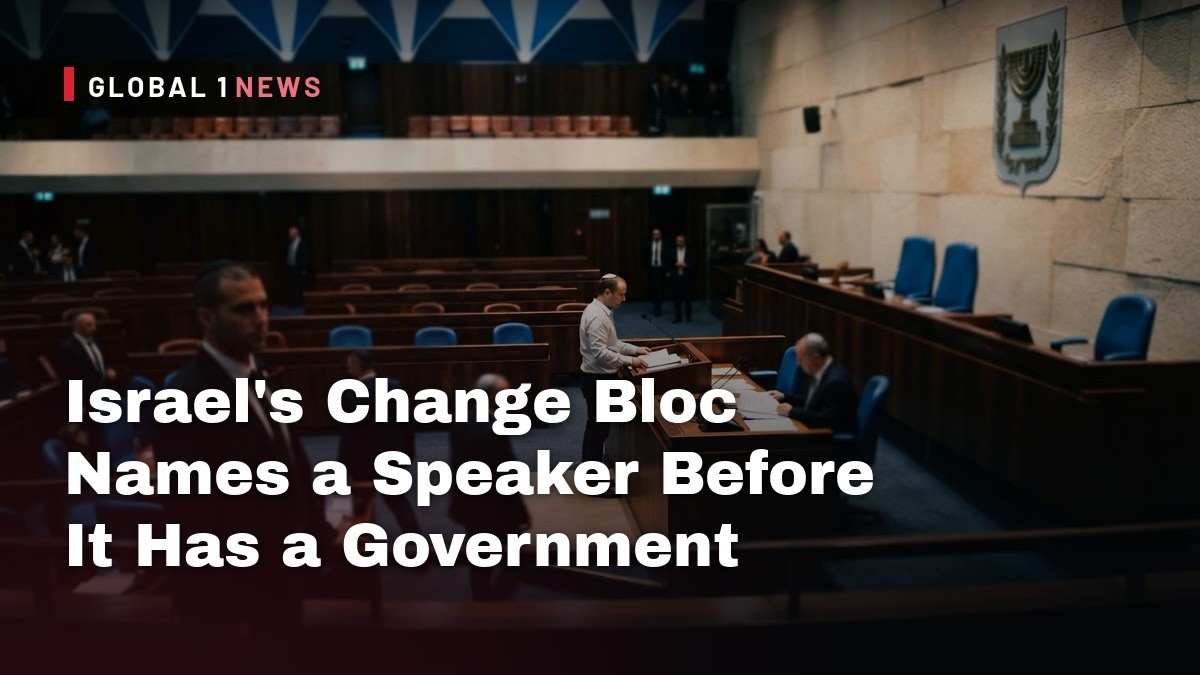
Israel's 26th Knesset is set to be sworn in this afternoon, and the fight over who holds the speaker's gavel has already started. The bloc trying to unseat Prime Minister Benjamin Netanyahu announced this morning that it has agreed to nominate Matan Kahana as Knesset speaker. The ceremony begins at 4:00 p.m., and the question will hang over all of it.
Israel's Change Bloc Names a Speaker Before It Has a Government
Jerusalem, Israel - The five leaders of the anti-Netanyahu bloc said in a joint statement Tuesday that they had agreed to nominate former minister Matan Kahana as the next Knesset speaker, following days of negotiations. The announcement landed hours before the new parliament was due to convene. It is a bloc dividing up a chamber whose majority it does not yet have, at the precise moment that chamber is being born.
The Knesset Reopens With a Speaker Fight Inside It
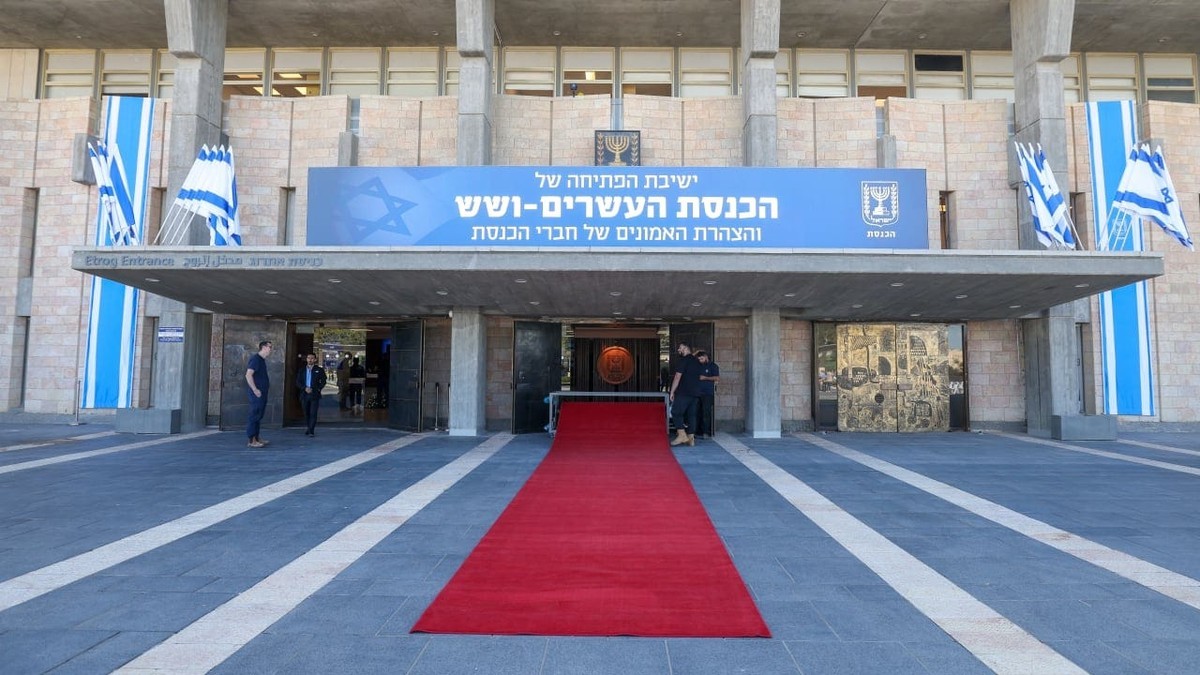
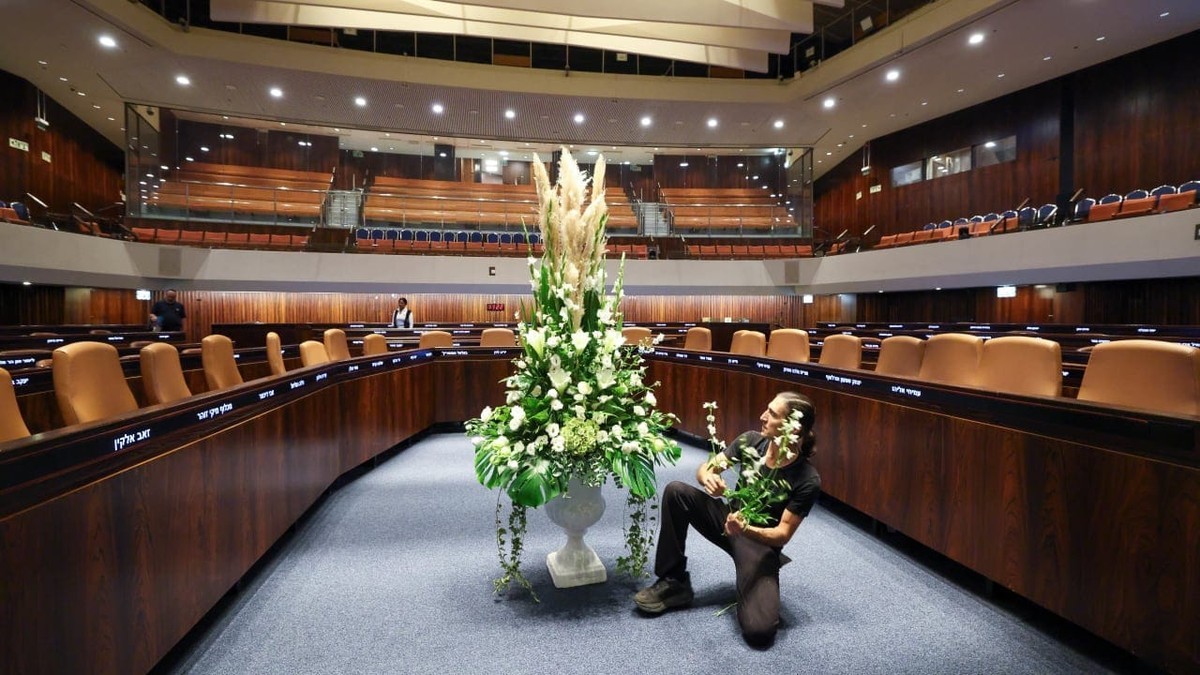
The inaugural session is scheduled to begin at 4:00 p.m., after an official ceremony in the Knesset plaza at 3:20 p.m. at which President Isaac Herzog arrives with a motorcycle escort and mounted horsemen, and the Knesset Guard stages a ceremonial parade in his honour. Knesset Secretary-General Dan Marzouk will announce the president's entrance with the words "Mr. President", and the hall will rise to three trumpet fanfares.
Herzog opens the session with three strikes of the gavel, delivers remarks, then invites Speaker Amir Ohana to take the oath and hands him responsibility for presiding. Marzouk will then call all 120 names in turn, and each member will rise and declare: "I pledge." Avi Harush, father of Sgt. Reef Harush, killed in combat in southern Gaza in April 2024, is to recite Psalm 122. Right-wing organisations are planning demonstrations outside.
Four Names, Announced Before the Government Exists
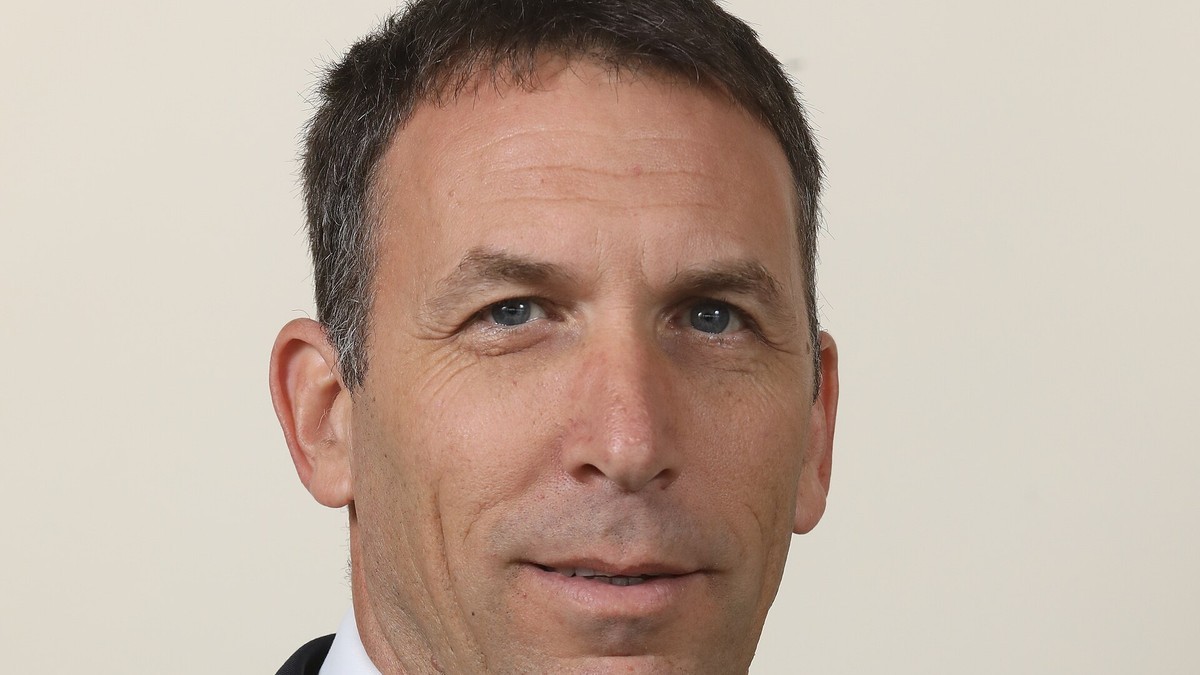
The joint statement named more than a speaker. Avigdor Liberman, a former defence minister, will chair the Foreign Affairs and Defence Committee. Incoming B'Yachad MK Liran Avishar Ben-Horin will lead the Finance Committee. A former Communications Ministry director general, Avishar Ben-Horin is entering the Knesset for the first time as No. 5 on Naftali Bennett's slate. Incoming MK Roy Folkman, 17th on the Yashar list, is expected to chair the Arrangements Committee, the body that oversees parliamentary operations and organises the Knesset's committees at the start of a term. The leaders also agreed to establish special committees, with details to follow. Committee composition is to be finalised through Arrangements Committee deliberations this week and submitted to the plenum for approval "this coming Wednesday", according to Israel Hayom. The posts are for the 26th Knesset during the period of the coalition mandate.
The Man in the Chair: Matan Kahana
Kahana is No. 5 on Yashar's slate and an incoming MK, and a returning one at that. He was Religious Services minister from 2021 until 2022, and remained an MK until July 2025, when he resigned his seat. He is an IDF colonel in the reserves who served in the General Staff Reconnaissance Unit, Sayeret Matkal, at the same time as Bennett. He later attended the Israel Air Force's Flight Academy and became an F-16 pilot, flying during the Second Lebanon War. The choice is not the one the bloc had been expected to make. Israel Hayom reported on Monday that, barring a last-minute change, Eisenkot himself would be the candidate, and that the plan had been to install a party leader who would resign once a government was formed. The change came anyway.
The Arithmetic: Forty-Eight, Sixty-One and Thirteen Seats
The 27 October elections produced a hung parliament. Netanyahu's Likud-led faction holds 53 seats, Eisenkot's opposition bloc 48, and Arab-led factions 19. Likud is the largest single party with 27; Yashar is second with 21. Neither bloc reached the 61 needed for a majority. That is why the ultra-Orthodox parties matter so much. United Torah Judaism holds seven seats and Shas six - 13 between them, precisely the number Eisenkot's 48 needs to reach 61. Both belong to Netanyahu's camp. The same thirteen seats decide both the speakership and the government. It also explains the pressure on Liberman, who has refused to rely on Arab parties' support; without him, Eisenkot loses the majority he would need to govern at all. Even with the Arab factions, there is a price: Eisenkot has said any Arab party joining must recognise Israel as a Jewish state and declare Hamas a terrorist organisation.
Ohana's Number: Sixty-One Signatures
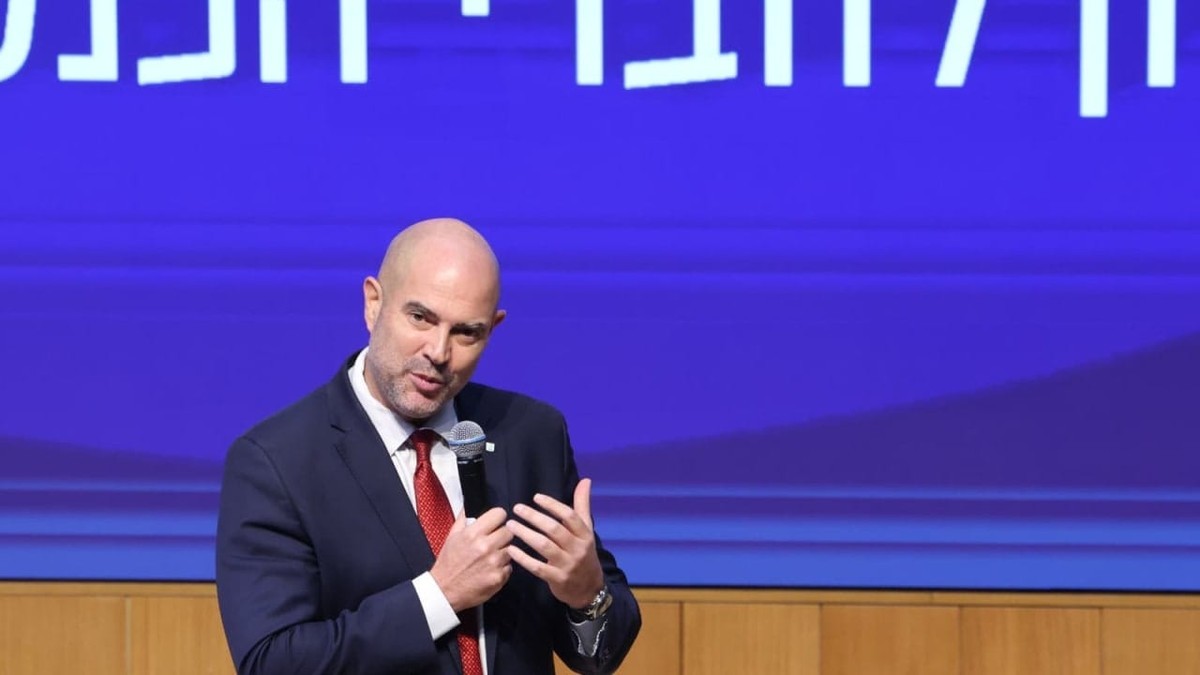
On Monday, Yashar invited Shas and United Torah Judaism to join the effort to replace Ohana during the inaugural session. Letters to the faction leaders said signatures were being collected ahead of the request's submission, and it was Folkman, as Yashar faction chairman, who made the approach. Ohana, a Likud lawmaker, set his own condition last week: he will move up the election of a speaker only if at least 61 lawmakers sign a letter asking for it, and he has said the customary date for electing a speaker is when the government is formed. Writing on X, he said: "We will respect the Knesset members, and if a majority of them ask to hold such a debate, I will set it for an early date and no later than a week." He has pledged not to obstruct the majority's wishes.
UTJ Says Not Yet, and Gives Its Reason
UTJ chairman MK Yaakov Asher then closed the door, saying his party would not support replacing Ohana before a new government is formed. "United Torah Judaism's principled position is that the replacement of the Knesset speaker should take place simultaneously with the formation of a new government, rather than upon the convening of the Knesset." He went on: "This is intended to prevent an absurd situation in which a Knesset speaker could be elected who would be opposed to the government that is formed." He refused to sign the letter himself, telling Folkman in writing that the replacement should happen alongside the formation of a government. Ynet reported that UTJ had wanted the speakership for itself, to secure a vote on legislation governing Haredi military conscription - the same unresolved question standing between Eisenkot and a coalition.
What the Speaker's Gavel Actually Controls
Replacing Ohana would hand the opposition bloc greater control over the parliamentary agenda - votes, legislation and committee appointments - even if Netanyahu stays on as head of a caretaker government. Removing a sitting speaker requires a far heavier procedure than electing one: grounds of conduct unbecoming the office, a complaint backed by at least 61 members, and a majority of 90 in the plenum, as Israel Hayom set out. A speaker installed by the other side is therefore close to immovable. Six parties opposed to Netanyahu have demanded the vote, according to JNS. Ohana's "no later than a week" is therefore both a concession and a shield.
The Mandate, and the Clock That Runs Out on 6 December
Herzog handed Eisenkot the mandate on Sunday, 8 November, after 67 lawmakers recommended him against 46 for Netanyahu, with seven abstaining. The 28-day window began that day and expires on 6 December; the president may then grant up to 14 days more. Eisenkot and Liberman met on Monday, a session all sides described as positive, and agreed to exhaust negotiations with the ultra-Orthodox parties before considering any alternative arrangement, according to Channel 13. Negotiating teams gathered on Sunday evening at the Dan Accadia Hotel in Herzliya to work through the government's guiding principles, portfolios and coalition agreements. UTJ has said it is willing to join an Eisenkot-led government, conditional on the conscription legislation that remains unresolved. MK Porush has said his party will not join without a solution for yeshiva students, which sets the price of those 13 seats in plain terms.
Netanyahu's Counter-Move
Netanyahu called for a "national unity" government with Eisenkot on Saturday night, and it remains unclear whether the two rivals could agree on a power-sharing arrangement. He has since reaffirmed his commitment to his right-wing bloc partners and rejected a rotation agreement for the premiership. He is also working the ground beneath it. A confidante, Eshel, repeatedly asked Ra'am's Abbas about an Eisenkot-led coalition, including whether Abbas would back Eisenkot in a vote over the draft law, N12 reported. Likud officials concede privately that if UTJ secures an acceptable draft arrangement, "all that remains is to put our trust in God." Eisenkot has appealed directly to Likud members, though not to Netanyahu, and to the far-right Religious Zionism party, asking them to accept four principles: Israel as a Jewish and democratic state, the values of the Declaration of Independence, mandatory national service for all, and recognising Hamas as a terror group and committing to its destruction.
What Each Side Says the Moment Requires
Eisenkot, 66, framed the moment at the ceremony where he received the mandate. "We are in a state of emergency, approaching a point of no return for the state of Israel." He added: "We must form a national emergency government. This will require creative and unconventional political steps." He described "one of the most vulnerable moments Israeli democracy has ever known", citing combat on multiple fronts and Israel's plummeting international standing. Herzog asked for durability, saying the State of Israel "needs a stable government that can meet them over time". He also named the file: "Iran is not waiting a second in its threats. We have to start building a future in the region and proceed with Trump's 20-point plan in Gaza, as well as negotiating the future with Lebanon and other neighbors." Two clocks now run in parallel - the coalition's, and Ohana's week.
By Jessica Ali, Staff Writer
This article was produced with AI-assisted research and editorial support. Sources: Times of Israel, The Jerusalem Post, Israel Hayom, i24NEWS, Ynet, JNS, Anadolu Agency, DW, The Guardian, Haaretz. Photographs: Marc Israel Sellem/The Jerusalem Post; Itzhak Harari (CC BY-SA 4.0, via Wikimedia Commons); The Jerusalem Post. Cover: Global 1 News editorial image.
What's Your Reaction?
 Like
0
 Dislike
0
 Love
0
 Funny
0
 Wow
0
 Sad
0
 Angry
0

Editor-in-Chief at Global1.News. Atlanta-based journalist who cuts through the BS and tells it like it is. Lead anchor, host, and the voice you hear when the spin stops and the truth starts.















Comments (0)