
Alberta Premier Danielle Smith Calls Calgary-Shaw Byelection for Sept. 14
Alberta Premier Danielle Smith has triggered a provincial byelection in the southern Calgary riding of Calgary-Shaw, setting the vote for Sept. 14, 2026.
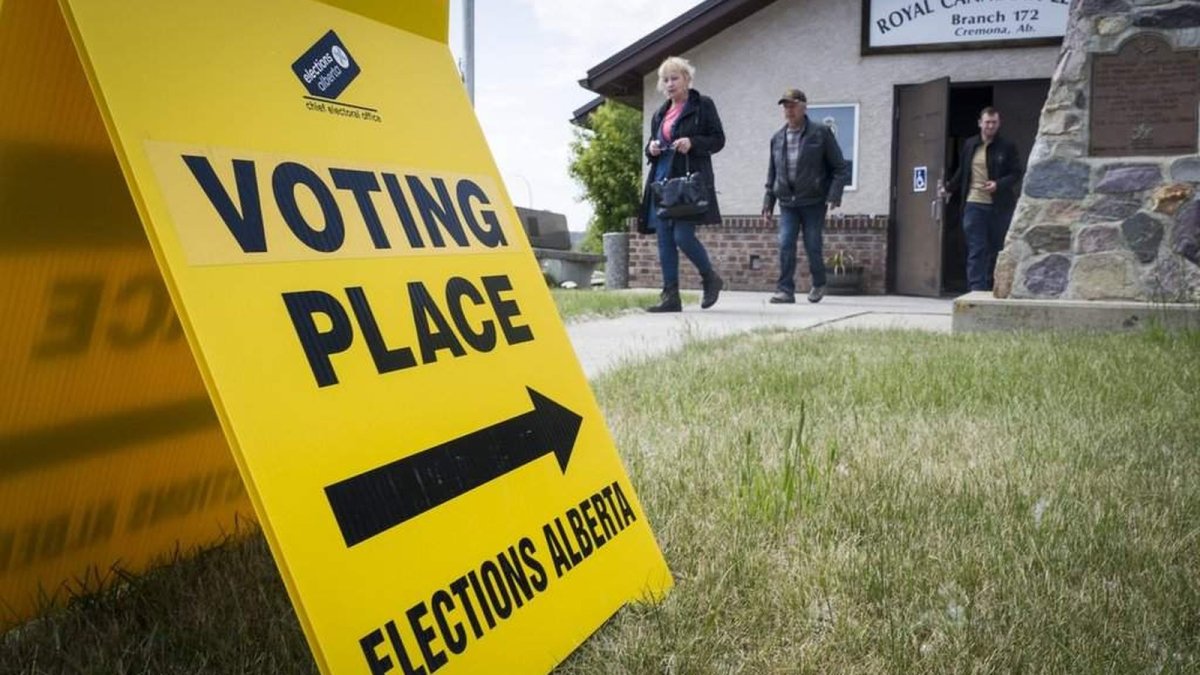
Alberta Premier Danielle Smith Calls Calgary-Shaw Byelection for Sept. 14
Alberta Premier Danielle Smith has triggered a provincial byelection in the southern Calgary riding of Calgary-Shaw, setting the vote for Sept. 14, 2026. The contest comes after the riding has been without a legislature representative since May, when former United Conservative Party (UCP) cabinet minister Rebecca Schulz resigned her seat.
Tags: Alberta politics, Danielle Smith, Calgary-Shaw, byelection, UCP, Alberta NDP, Naheed Nenshi, Mike Derry, Kyle Campbell, Progressive Tory Party, Elections Alberta, Rebecca Schulz
Edmonton, Alta. – Aug. 18, 2026 — The writ has dropped in Calgary-Shaw, setting the stage for a three-way political fight that will test the UCP's dominance in a historically conservative stronghold. Premier Danielle Smith announced the byelection date on Monday, Aug. 17, ending weeks of speculation about when residents of the riding would head back to the polls.
The riding has been vacant since May, when Schulz — who served as Smith's environment minister from 2023 to the end of 2025 — stepped down. Schulz had announced her departure from cabinet and the legislature in January 2026, and has since taken on an executive role with Whitecap Resources, a major Alberta oil and gas producer.
The Byelection
Smith had signalled last month that she would wait until after the summer to call the vote, noting that Albertans are largely disengaged from politics during the warmer months. That timeline has now been set, with voting day arriving on Sept. 14, 2026.
Elections Alberta has confirmed that unofficial results will be shared after polls close on voting day. The provincial agency will oversee the vote, which is expected to draw significant attention given the broader political dynamics at play in Alberta.
The byelection comes at a time when Smith's UCP holds a commanding majority in the legislature, but faces questions about unity on the right. The emergence of the Progressive Tory Party, led by former UCP cabinet minister Peter Guthrie, has added a new layer of complexity to conservative politics in the province.
The Candidates: Derry vs. Campbell
Both major parties have had their candidates in place since June, giving them roughly three months to campaign in the riding. The UCP is running Mike Derry, whom Smith described in her Monday statement as community-minded and attuned to the challenges facing families and business owners.
"He will be a strong voice for Calgary-Shaw and help us keep taxes low, keep communities safe and grow an economy that continues creating good jobs," Smith said.
Derry's campaign is expected to lean heavily on the UCP's record on economic development and tax policy, framing the byelection as a choice between continued conservative governance and the opposition.
On the other side, the Alberta NDP has nominated Kyle Campbell, who will carry the party's banner into a riding that has not elected a New Democrat in over a decade. NDP Leader Naheed Nenshi has positioned Campbell as a fresh alternative to a government he argues has lost its way.
Nenshi's Message
Nenshi, who took the helm of the Alberta NDP after the party's last provincial election, has framed the Calgary-Shaw contest in stark terms. He argued that Calgarians should put their trust in Campbell and send a message to the premier that they do not want a government that caters to separatists.
"Albertans deserve a government focused on lowering the cost of living, jobs, and great public services like health care and education," Nenshi said.
He added: "Albertans don't have to stand for this government."
The NDP leader's comments reflect a broader strategy of painting Smith's UCP as distracted by internal battles and fringe elements within the party, rather than focused on the day-to-day concerns of Albertans. The reference to separatists is a pointed jab at ongoing tensions within Alberta's conservative movement, where some voices have floated ideas of greater autonomy or even independence from Canada.
Progressive Tory Party Entry
The political calculus in Calgary-Shaw is further complicated by the expected entry of the Progressive Tory Party. The newly created party, led by former UCP cabinet minister Peter Guthrie, is anticipated to run a candidate in the byelection, potentially splitting the conservative vote.
Guthrie's departure from the UCP and his formation of a rival party signals a fracture on the right that could have implications beyond this single riding. The Progressive Tory Party is positioning itself as a more traditional conservative alternative, appealing to voters who may feel alienated by the current UCP leadership.
How much support the new party can muster in Calgary-Shaw remains an open question. Historically, the riding has been reliably conservative, but the introduction of a third option on the right could change the dynamics of the race.
Riding History: From 1986 to the Orange Wave
Calgary-Shaw has a long history of conservative representation. The riding was created in 1986 and has voted for conservative candidates in nearly every election since its inception. The one notable exception came in 2015, when the NDP's "orange wave" swept through Alberta, bringing Rachel Notley into the premier's office.
That 2015 result was part of a broader provincial shift that saw the NDP form government for the first time in Alberta's history. The orange wave was fuelled by voter fatigue with the then-Progressive Conservative government, which had been in power for over four decades.
However, the NDP's hold on Calgary-Shaw was short-lived. In the 2019 election, the riding returned to the conservative fold, and it has remained there since. The UCP's Schulz held the seat from 2019 until her resignation earlier this year.
For the NDP, winning Calgary-Shaw again would be a significant symbolic victory, demonstrating that the party can compete in southern Calgary ridings that have historically been hostile territory. For the UCP, holding the seat is essential to maintaining its narrative of dominance across the province.
What's at Stake: Alberta Political Context
The Calgary-Shaw byelection is more than a local contest; it is a barometer of the political mood in Alberta. Smith's UCP holds a majority in the legislature, but the party has faced internal tensions and external challenges since taking office.
The separatist question that Nenshi referenced is a live issue in Alberta politics. While most Albertans do not support outright separation from Canada, there is a vocal minority that advocates for greater provincial autonomy. Smith has at times walked a careful line on this issue, seeking to appeal to those voters without alienating the broader electorate.
The cost of living is also a central concern for Albertans, as it is for Canadians across the country. Housing affordability, inflation, and the price of everyday goods are issues that resonate in Calgary-Shaw, a riding that includes a mix of established neighbourhoods and newer developments.
Health care and education are also expected to be key battlegrounds in the campaign. The NDP has traditionally been seen as the party most committed to protecting and expanding public services, while the UCP has focused on efficiency and private-sector involvement in service delivery.
The energy sector, a cornerstone of Alberta's economy, will also factor into the race. Schulz's move to Whitecap Resources underscores the close ties between the province's political class and its oil and gas industry. The UCP is expected to campaign on its support for the sector, while the NDP will likely argue for a more diversified economy and stronger environmental protections.
What Happens Next
With the writ now dropped, the campaign is officially underway. Candidates will have roughly a month to make their case to voters in Calgary-Shaw before heading to the polls on Sept. 14, 2026.
Elections Alberta will manage the vote and is expected to release unofficial results shortly after polls close. Given the potential for a tight race — particularly with the Progressive Tory Party potentially siphoning votes from the UCP — political observers will be watching closely to see how the numbers break down.
For Smith, a strong result in Calgary-Shaw would reinforce her leadership and the UCP's electoral viability. A loss, or even a narrow victory, could embolden her critics within the party and provide momentum for the NDP heading into the next general election.
For Nenshi and the NDP, the byelection is an opportunity to demonstrate that the party is competitive in ridings it has historically struggled to win. A victory in Calgary-Shaw would be a major coup and a signal that the NDP is building toward a serious challenge at the next provincial election.
For voters in Calgary-Shaw, the choice on Sept. 14 will be about more than just who represents them in Edmonton. It will be a statement about the direction they want Alberta to take — on the economy, on public services, and on the province's place within Canada.
By Alex Thompson, Staff Writer
This article was produced with AI-assisted research and editorial support. Reporting is based on sources cited in the article.
What's Your Reaction?
 Like
0
Like
0
 Dislike
0
Dislike
0
 Love
0
Love
0
 Funny
0
Funny
0
 Wow
0
Wow
0
 Sad
0
Sad
0
 Angry
0
Angry
0
Canada Correspondent at Global1.News. Based in Toronto, covering Canadian politics, energy, trade, and US-Canada relations. Provides the Canadian perspective on North American and global affairs.












Comments (0)