
Iran says forces 'stronger' than at beginning of war
Iran’s military claims a marked increase in strength as diplomatic efforts intensify to prevent a renewed escalation of the war that began in February 2026.
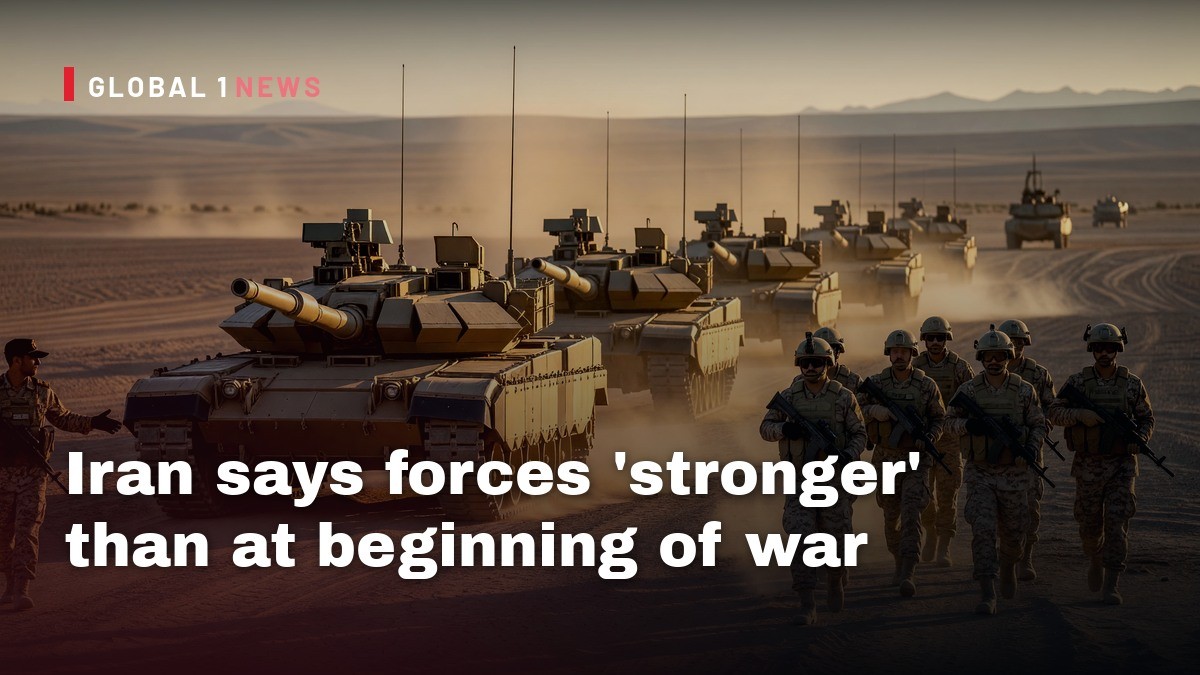
Iran’s military claims a marked increase in strength as diplomatic efforts intensify to prevent a renewed escalation of the war that began in February 2026. The statements come amid a flurry of diplomatic contacts, U.S. offers of monetary rewards for intelligence on Tehran’s nuclear programme, and sporadic military incidents in the strategic Strait of Hormuz. For Israel, the evolving dynamics affect security calculations, regional trade routes, and the broader innovation economy that depends on stability in the Gulf.
Iran’s Assertion of Growing Military Capability
Iranian army spokesman Mohammad Akraminia told state news agency IRNA that the country’s forces are “on higher alert and are stronger than they were at the beginning of the war.” He added that the troops now possess “greater motivation, commitment and self‑confidence,” and that any response would be “immediate, effective and without geographical limitations” under the direction of the Supreme Leader. This rhetoric was echoed by Revolutionary Guards spokesman Hossein Mohebbi, who said the range of Iran’s missiles continues to increase steadily.
The claims of enhanced capability are framed against the backdrop of eight months of conflict that have, according to U.S. President Donald Trump, severely damaged Iran’s economy and military. Yet Tehran’s narrative emphasizes resilience and a readiness to press its demands, particularly regarding the closure of the Strait of Hormuz, a chokepoint that carries roughly one‑fifth of global oil consumption.
U.S. Diplomatic Outreach and Incentives
President Trump reached out directly to Qatari Emir Sheikh Tamim bin Hamad Al Thani on Friday, discussing efforts to end the war. Qatar’s Prime Minister Sheikh Mohammed bin Abdulrahman Al Thani praised the United States for “genuine intentions to find a way to contain the situation and to de‑escalate it,” and highlighted “wise voices in Tehran” that have helped prevent the conflict from spiralling out of control.
In parallel, the U.S. State Department’s Rewards for Justice program announced a $20 million bounty for information on Iran’s nuclear programme, including details on facilities, equipment, and personnel in the scientific community. The offer also mentioned possible relocation for informants. This financial incentive underscores Washington’s strategy of combining diplomatic pressure with intelligence‑gathering tools to curb Tehran’s nuclear ambitions.
Qatar’s Mediating Role and Regional Stakes
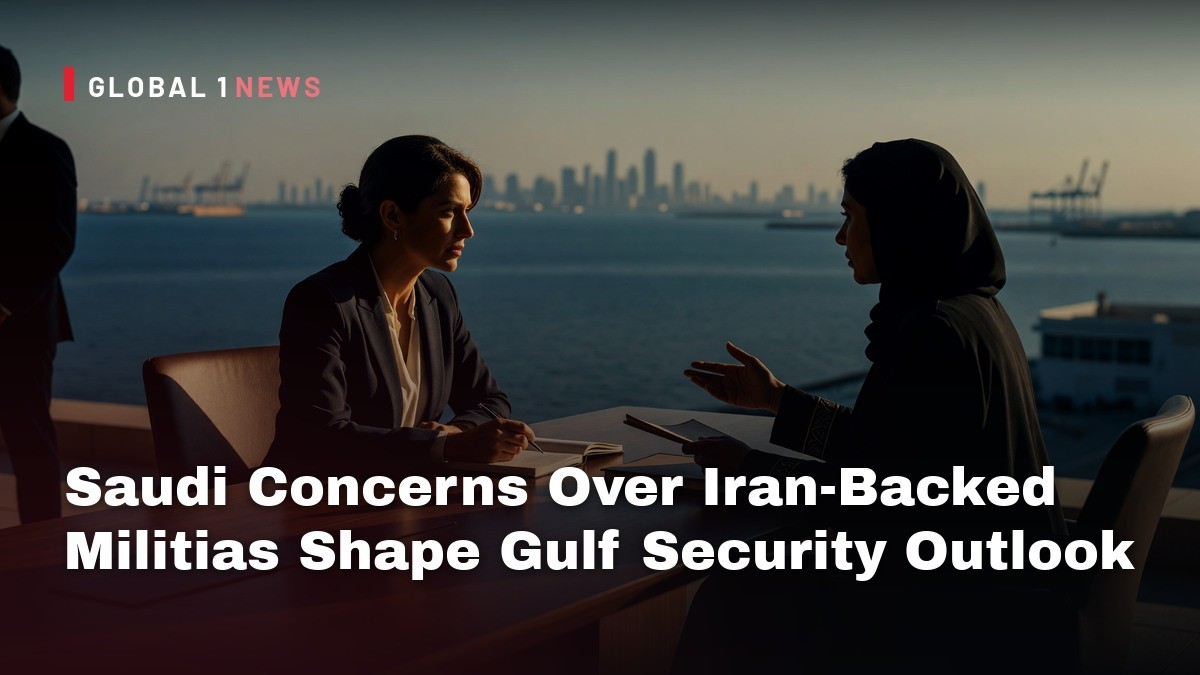
Qatar has positioned itself as a key mediator, engaging both Washington and Tehran while stressing the need to keep the Strait of Hormuz open. In remarks made in Oxford, Sheikh Mohammed bin Abdulrahman Al Thani warned against waiting for a “perfect deal,” emphasizing that priority must be given to addressing the nuclear issue, ensuring freedom of navigation, and securing Gulf security.
The Qatari stance reflects the broader regional concern that any prolonged closure of Hormuz would disrupt oil flows, affect global markets, and heighten the risk of spill‑over into neighboring economies, including Israel’s. For Israel’s tech sector, which relies on stable energy prices and secure shipping lanes for hardware components, the stakes are tangible.
Recent Military Incidents in the Strait of Hormuz
Late on Saturday, Iran’s state news agency IRNA reported two explosions on Qeshm Island in the Strait of Hormuz, followed by a claim that a drone was shot down over the island. Earlier that day, the Iranian military said a tanker caught fire after striking a naval mine, despite recent U.S. statements that all mines had been cleared from the waterway.
These incidents illustrate the ongoing volatility in the strategic corridor. While the United States has continued limited strikes, the pattern of explosions and drone engagements signals Tehran’s willingness to test the limits of the maritime environment, potentially complicating commercial navigation and insurance costs for shipping firms operating in the Gulf.
Political Calculus in Washington
The midterm elections, described by International Crisis Group analyst Ali Vaez as a referendum on President Trump’s turbulent second term, resulted in heavy losses for the Republican Party. Vaez warned that a “lame duck Trump could become a flame duck if Iran denies him a face‑saving exit,” suggesting that domestic political pressures may constrain the administration’s willingness to pursue a decisive military solution.
Trump’s public statements have oscillated between threatening renewed heavy strikes and acknowledging that Iran is “eager to end the conflict.” The political cost of war, heightened by electoral defeat, appears to be shaping a more cautious U.S. posture, which in turn influences the diplomatic space in which Qatar and other mediators operate.
Implications for Israel’s Security and Innovation Economy
Israel monitors the Hormuz situation closely, given the potential for disruptions to oil supplies and the risk of broader regional escalation that could threaten its northern and southern fronts. The Israeli Ministry of Economy and the Israel Innovation Authority have underscored the importance of stability for the country’s high‑tech sector, which depends on reliable logistics for both imports of raw materials and exports of cutting‑edge products.
Any prolonged conflict could divert attention and resources away from Israel’s thriving startup ecosystem, while also prompting security firms to prioritize defense contracts over civilian innovation. Conversely, a de‑escalation facilitated by Qatar’s mediation could preserve the environment that has allowed Israel’s tech scene to flourish, even as neighboring markets remain volatile.
Outlook: Negotiations, Deterrence, and Regional Balance
With Iran asserting a stronger military posture, the United States offering substantial rewards for nuclear intelligence, and Qatar actively mediating, the region stands at a crossroads. The next steps will likely hinge on whether Tehran’s demands—particularly regarding the status of the Strait of Hormuz—can be reconciled with U.S. and allied security concerns.
For Israel, the outcome will shape not only immediate security calculations but also the broader economic landscape in which its innovation economy operates. A negotiated settlement that keeps Hormuz open and limits further military escalation would support the continuity of trade and investment flows that underpin Israel’s high‑tech growth. Conversely, a breakdown in talks could reignite a cycle of strikes and counter‑strikes, heightening uncertainty for businesses across the Middle East.
This article was produced with AI-assisted research and editorial support. Reporting is based on the source material cited below. Sources: Al-Monitor; al-monitor.com; Global1.News (08 November 2026).
By Hannah Berg, Staff Writer
What's Your Reaction?
 Like
0
 Dislike
0
 Love
0
 Funny
0
 Wow
0
 Sad
0
 Angry
0
Israel Correspondent at Global1.News. Based in Tel Aviv, covering Israeli politics, security, technology, and society. Provides balanced, deeply-sourced reporting on one of the most closely-watched regions in the world.










Comments (0)