
Weather Update, Northeast Monsoon onset: IMD predicts heavy rain in Tamil Nadu, Kerala, Karnataka this week
As the northeast monsoon begins to assert itself over the southern peninsula, the India Meteorological Department (IMD) has warned of a prolonged wet spell that could reshape daily life, health outcomes and policy priorities across several states.
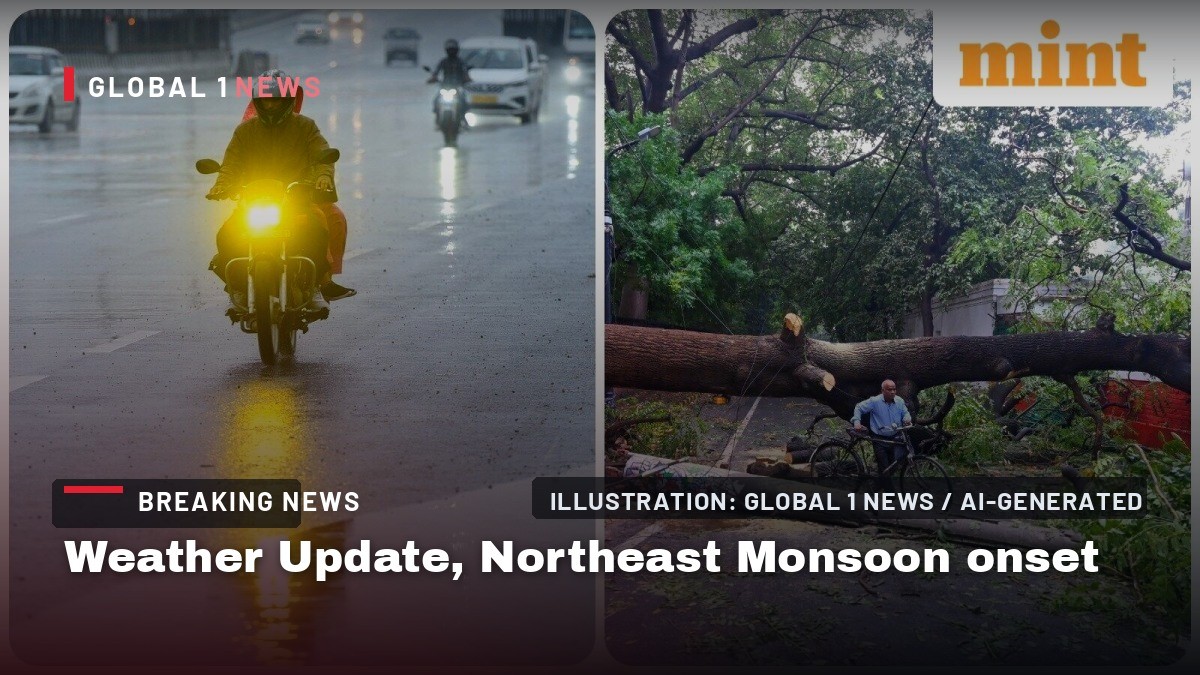
As the northeast monsoon begins to assert itself over the southern peninsula, the India Meteorological Department (IMD) has warned of a prolonged wet spell that could reshape daily life, health outcomes and policy priorities across several states. The forecast, issued on 13 October 2026, signals heavy rain and thunderstorms from 14 October through 19 October, affecting Tamil Nadu, Kerala, Karnataka, Andhra Pradesh and adjoining Union territories. While the immediate concern is the disruption of transport and commerce, the broader implications touch on public health preparedness, water‑resource management and the readiness of state health systems to cope with climate‑linked disease patterns.
Monsoon onset and the geographical spread of heavy rainfall
The IMD’s outlook highlights a low‑pressure system forming over the South Andaman Sea, moving towards the southwest Bay of Bengal. This system is expected to generate isolated heavy rainfall across Kerala and Mahe, coastal and south‑interior Karnataka, Tamil Nadu, Puducherry, Karaikal and coastal Andhra Pradesh between 15 October and 18 October. North interior Karnataka may see similar intensity on 17 October and 18 October, while Rayalaseema is slated for comparable conditions on 15 October and 16 October.
Skymet’s parallel forecast aligns with the IMD, underscoring the likelihood of thunderstorms and heavy rain across the same southern belt. The synchrony between the two agencies reinforces confidence in the projected weather pattern, which will be critical for state disaster‑management cells as they mobilise resources for flood mitigation and emergency response.
Implications for public health in the south
Heavy monsoon rains traditionally trigger a surge in water‑borne diseases, vector‑borne infections and respiratory ailments exacerbated by humidity. In Kerala and Tamil Nadu, where the forecast calls for the most intense precipitation, health officials must anticipate increased cases of diarrhoeal disease, leptospirosis and dengue. The concentration of rainfall in coastal districts also raises the risk of water‑logging, which can compromise sanitation infrastructure and create breeding grounds for mosquitoes.
From a policy perspective, the timing coincides with the ongoing rollout of the National Vector‑Borne Disease Control Programme in these states. The monsoon window offers a practical test of the programme’s surveillance capacity, especially in rural health‑centre networks that rely on real‑time data reporting. Strengthening these reporting mechanisms now could mitigate the seasonal spike in disease burden and reduce pressure on tertiary hospitals that already face high occupancy rates during the monsoon.
Impact on northern India’s weather and health services
While the south braces for heavy rain, the IMD also warned of unsettled conditions across parts of northern India over the next 24 hours. Delhi, Haryana, Chandigarh, Punjab, western Uttar Pradesh, as well as parts of Himachal Pradesh, Uttarakhand and Jammu & Kashmir may experience rain and thunderstorms. The capital is forecast to have a partly cloudy sky on 13 October, with maximum temperatures ranging between 32 °C and 34 °C and minimum temperatures between 20 °C and 22 °C.
For Delhi’s health system, the modest temperature rise—minimum temperatures above normal by 1.6 °C to 3.0 °C and maximum temperatures near normal—could exacerbate heat‑related stress among vulnerable populations, especially the elderly and outdoor workers. Simultaneously, the forecasted thunderstorms raise concerns about acute injuries from lightning strikes and road accidents. Health authorities in the National Capital Region must therefore coordinate with the Delhi Disaster Management Authority to ensure emergency services are on standby.
Water‑resource management and agricultural considerations
The northeast monsoon is a critical source of rainfall for the south, replenishing reservoirs, groundwater tables and irrigated fields. The IMD’s projection of a five‑to‑six‑day wet spell suggests a substantial contribution to the seasonal water balance, particularly for rain‑fed agriculture in Tamil Nadu’s delta regions and Kerala’s paddy fields. However, the intensity of isolated heavy rainfall also raises the risk of flash floods, which can damage crops, erode soil and disrupt planting schedules.
State agriculture departments must therefore balance water‑storage strategies with flood‑control measures. In Karnataka, the forecasted heavy rain in both coastal and interior zones necessitates coordinated action between the Karnataka Water Resources Department and the State Disaster Management Authority to pre‑emptively release water from reservoirs where safe, while ensuring downstream villages receive adequate warning of rising river levels.
Urban infrastructure and transport disruptions
Major urban centres across the affected states are likely to face transport snarls as roadways become water‑logged and public‑transport networks grapple with delayed services. In Chennai, Kochi and Bengaluru, the forecasted heavy rain on 15 October and 16 October aligns with peak commuter periods, potentially amplifying congestion and commuter fatigue.
Municipal corporations should therefore accelerate drainage‑clearing operations and deploy real‑time traffic‑management tools. The use of digital platforms—already a focus of many city administrations—can inform commuters about route diversions, expected delays and safety advisories. Such proactive communication not only eases commuter stress but also reduces the likelihood of traffic‑related accidents, a notable public‑health concern during inclement weather.
Health‑system readiness and climate‑resilient planning
The current monsoon outlook underscores the need for climate‑resilient health planning. State health ministries must integrate weather forecasts into their operational dashboards, enabling rapid mobilisation of medical supplies, field clinics and mobile health units to flood‑prone districts. The IMD’s detailed temporal and spatial breakdown—identifying specific districts like Rayalaseema and north interior Karnataka—provides a granular basis for targeted interventions.
Moreover, the forecast presents an opportunity to evaluate the effectiveness of existing early‑warning systems. By tracking health‑outcome data against the monsoon timeline, policymakers can refine predictive models for disease outbreaks, thereby strengthening the overall resilience of India’s health infrastructure against climate variability.
Looking ahead: policy coordination and public communication
In the weeks ahead, coordination between meteorological agencies, state disaster‑management bodies, health ministries and agricultural departments will be pivotal. The IMD’s early warning offers a rare window for pre‑emptive action, but its impact will hinge on how swiftly and comprehensively the warnings are translated into on‑ground measures.
Public communication, too, plays a decisive role. Clear, multilingual advisories about expected rain intensity, safety precautions during thunderstorms and guidance on water‑borne disease prevention can empower citizens to protect themselves and their families. As the northeast monsoon sets in, the convergence of accurate forecasting, robust policy response and effective community outreach will determine whether India navigates this seasonal challenge with minimal disruption and health impact.
This article was produced with AI-assisted research and editorial support. Reporting is based on the source material cited below. Sources: Livemint; livemint.com; Global1.News (13 October 2026).
By Dr. Raj Patel, Staff Writer
What's Your Reaction?
 Like
0
Like
0
 Dislike
0
Dislike
0
 Love
0
Love
0
 Funny
0
Funny
0
 Wow
0
Wow
0
 Sad
0
Sad
0
 Angry
0
Angry
0

India/South Asia Correspondent at Global1.News. Analytical voice with a background in science and health journalism. Based in New Delhi, covering Indian politics, education, healthcare, technology, and policy. Breaks down complex data into clear, actionable reporting.













Comments (0)