
NASA issues long-awaited call to industry for private space stations
NASA just dropped a 360‑page request for proposals that could reshape low‑Earth orbit (LEO) after the ISS bows out around 2030. From a founder’s seat, this is both a chance and a warning for anyone building infrastructure that isn’t backed by a trillion‑dollar hyperscaler.
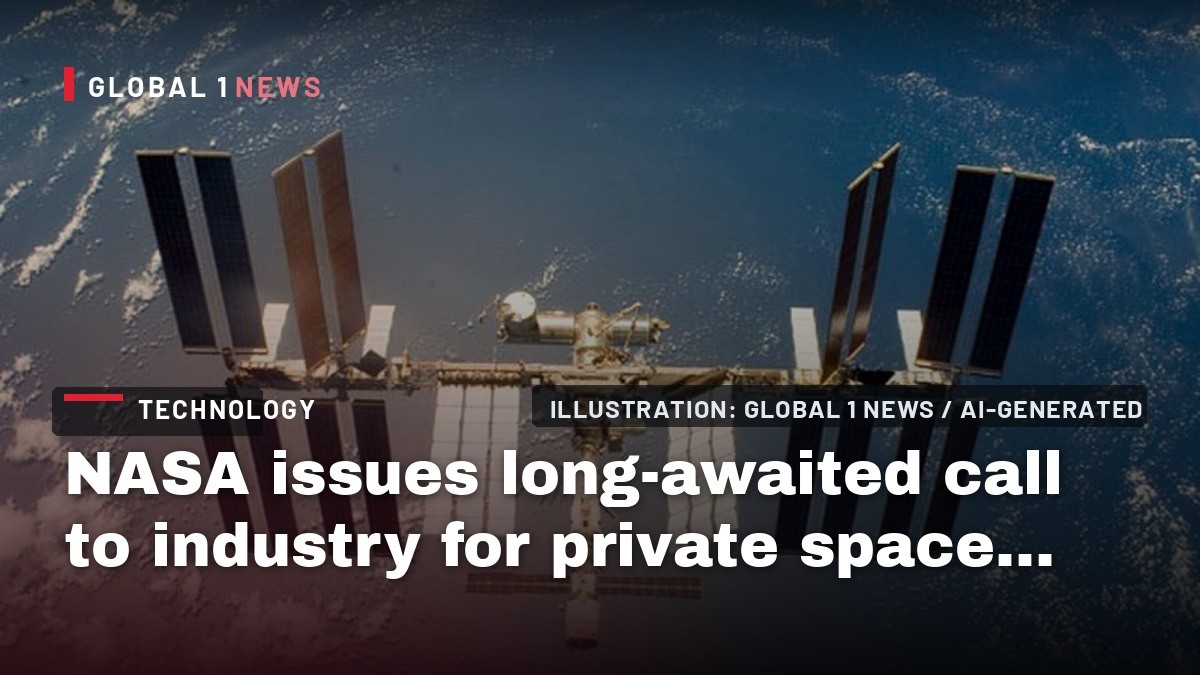
NASA just dropped a 360‑page request for proposals that could reshape low‑Earth orbit (LEO) after the ISS bows out around 2030. From a founder’s seat, this is both a chance and a warning for anyone building infrastructure that isn’t backed by a trillion‑dollar hyperscaler. The agency is promising at least $100 million to Phase 1 winners, with later phases slated for “billions,” but the real cost of getting a private station off the ground will be measured in the hard dollars of launch, crew transport, and the inevitable integration headaches that only show up once you’re trying to keep a habitable volume alive for months on end.
Why NASA’s RFP Matters to Independent Providers
The most striking line in the solicitation is the explicit price tag NASA slaps on crew and cargo flights for 2030: $325 million for a four‑seat crew slot and $300 million for cargo. Those numbers are not just budget line items; they set a floor for any private station operator’s cost structure. If you’re a boutique firm hoping to sell a seat for a few million, you’ll quickly discover the agency’s budget expectations dwarf most VC‑fueled space startups.
NASA also says it will “furnish” the first four service missions, effectively acting as a broker between station builders and Boeing’s Starliner. That removes the immediate need for a signed transport contract, but it also means you’ll be dependent on a single, government‑backed vehicle that is still fighting for certification. For a founder who’s spent a decade wrestling with supply‑chain volatility, that dependency is a red flag. You’ll need contingency plans, and those cost extra engineering cycles and insurance premiums.
The Player Field and Their Real‑World Credibility
The RFP names Axiom Space, Voyager Space, and Vast Space as the obvious bidders, with Blue Origin noted as a past winner of a different NASA round. SpaceX, despite dominating launch and crew transport, is conspicuously absent from the current bidding round. Their lack of participation isn’t a mystery—SpaceX has signaled an intention to retire Crew Dragon around the same time the ISS is deorbited, and they haven’t offered seats to private station operators. That leaves Boeing’s Starliner as the only certified US crew vehicle in the pipeline, and it’s still under certification pressure.
Each of the named bidders brings a different risk profile. Axiom touts “years of experience executing human space flight missions,” which translates into a more mature supply chain and probably a deeper cash reserve. Voyager’s Starlab CEO, Marshall Smith, claims the strongest business plan, but that’s a marketing line until you see a detailed cost model that accounts for the $300‑plus million per cargo flight NASA expects to pay. Vast, meanwhile, is pushing forward with its Haven‑1 module and promises a multi‑module station, but integration of multiple modules is a logistical nightmare that can easily double schedule risk.
Transportation Bottlenecks: The Real Cost Driver
NASA’s decision to shoulder the first four flights is a pragmatic move—without a transport guarantee, no station can claim to be “operational.” However, the underlying issue is the limited pool of certified crew vehicles. Boeing’s Starliner is still fighting for certification, and NASA just pumped an extra $359 million into that effort. That money is a sunk cost for any station operator who plans to rely on Starliner; you’ll be paying for a vehicle that may still miss its first crewed flight deadline.
From a risk‑management perspective, this is a classic “single‑point‑of‑failure” scenario. If Starliner encounters further delays, your station’s revenue timeline collapses. In my own experience running hosting infrastructure, we learned early that you can’t build a data center on a single fiber route—diversify or you’re dead in the water. The same principle applies here: station builders must either secure backup transport options (which means negotiating with other providers or even developing their own launch capability) or factor massive schedule buffers into their business plans.
Funding Realities: From $100 Million to Billions
The RFP guarantees a minimum $100 million for Phase 1 winners, but that’s a drop in the bucket when you consider the total cost of a LEO station. Development, testing, and certification of orbital hardware run into the hundreds of millions, and that’s before you add the recurring cost of crew and cargo flights. NASA’s own language hints at “future phases … worth billions,” meaning the agency expects to keep pouring money into the program as stations mature.
For independent providers, the challenge is aligning cash flow with these multi‑year commitments. VC‑funded startups often chase rapid milestones to satisfy investors, but a space station demands a decade‑long horizon. The mismatch between investor expectations and the reality of orbital hardware development is a recipe for cash‑flow crises. My own firm learned that chasing “quick wins” in a capital‑intensive industry leads to under‑engineered solutions that break under production loads. The lesson here: build a financing model that can survive the long haul, and be prepared to justify each expense to investors who may not have a background in orbital mechanics.
Regulatory and Certification Hurdles
NASA’s RFP does not require bidders to present a signed transport contract, but it does expect them to meet rigorous safety and certification standards. The agency’s own phrasing—“furnish transportation for the first four NASA service missions”—implies that any future transport agreements will be scrutinized under the same safety umbrella that governs NASA’s own crewed flights. That means a private station must be designed to accommodate the specific docking interfaces and emergency procedures of the Starliner, at a minimum.
From a practical standpoint, this adds layers of engineering work that can’t be outsourced to cheap contractors. You need in‑house expertise in human‑rated systems, environmental control, and life‑support—areas where most cloud‑hosting operators have no experience. The cost of hiring or training that talent is non‑trivial, and the learning curve is steep. In my own business, we found that trying to outsource core infrastructure expertise leads to hidden technical debt that surfaces during outages. Expect the same with space stations: the “core” systems must be owned, not rented.
Strategic Takeaways for Founders
NASA’s push for private LEO destinations is a signal that the agency will act as a customer, not a developer, for the next generation of stations. That creates a market, but the market is narrow, high‑risk, and dominated by a few well‑capitalized players. If you’re a founder eyeing this space, the first rule is to secure a reliable transport pathway—either by partnering early with Boeing, negotiating backup options, or developing a proprietary launch capability, which is a massive undertaking.
Second, align your financing with the long‑term nature of orbital projects. The $100 million Phase 1 award is a foothold, not a runway. Build a cost model that accounts for the $300‑plus million per cargo flight NASA expects to pay, and factor in the inevitable schedule overruns that come with hardware certification. Third, protect your core IP by keeping critical life‑support and docking system design in‑house; don’t rely on third‑party “plug‑and‑play” solutions that haven’t proven themselves in the vacuum of space.
Finally, keep an eye on the broader ecosystem. If SpaceX re‑enters the market with a new crew vehicle, or if a new entrant offers a lower‑cost launch service, the economics could shift dramatically. Until then, the prudent path is to treat NASA’s RFP as a high‑stakes contract that demands rock‑solid engineering, diversified transport risk, and a financing plan that can weather the long, expensive journey to LEO.
— Allan Ali, Founder
This article was produced with AI-assisted research and editorial support. Reporting is based on the source material cited below. Sources: Ars Technica; arstechnica.com; Global1.News (13 October 2026).
By Allan Ali, Global1.News
What's Your Reaction?
 Like
0
Like
0
 Dislike
0
Dislike
0
 Love
0
Love
0
 Funny
0
Funny
0
 Wow
0
Wow
0
 Sad
0
Sad
0
 Angry
0
Angry
0

Publisher of Global1.News. Automation architect, systems builder, and the guy making sure the truth gets published.











Comments (0)