
Kipchoge, 41, breaks course record at Melbourne Marathon
Eliud Kipchoue, the Kenyan legend who has become synonymous with marathon excellence, added another remarkable chapter to his career on 10 October 2026.
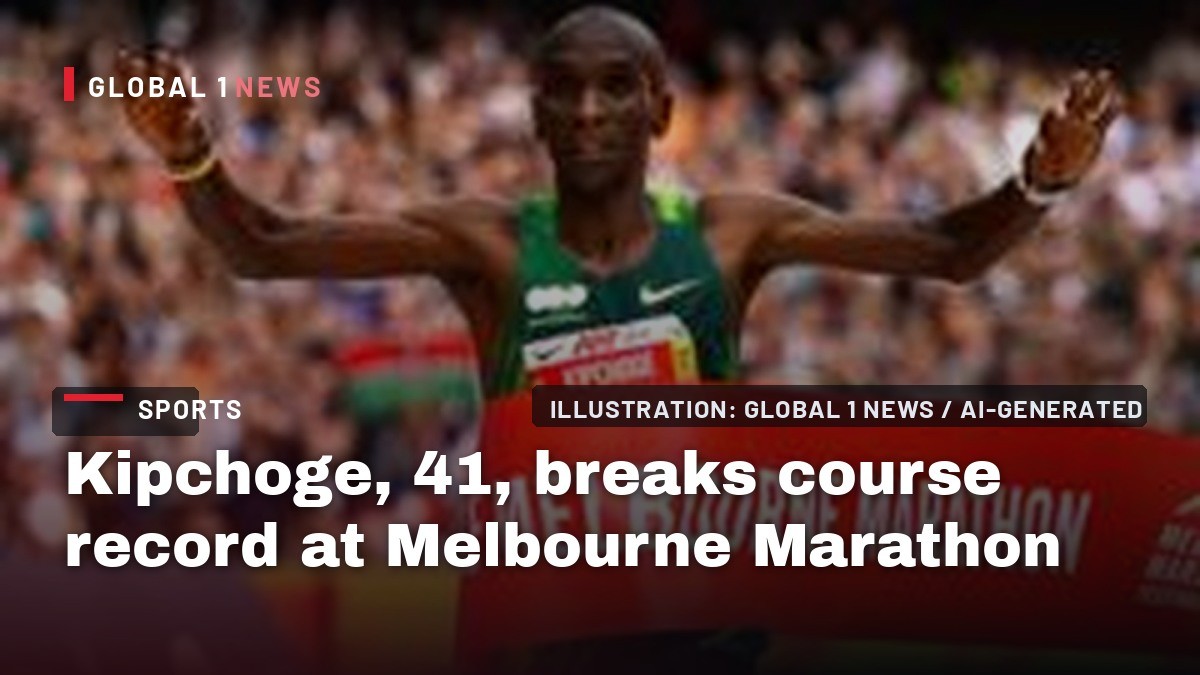
Eliud Kipchoue, the Kenyan legend who has become synonymous with marathon excellence, added another remarkable chapter to his career on 10 October 2026. At 41, he crossed the finish line of the Melbourne Marathon in a new course record of two hours nine minutes ten seconds, a performance that not only underscored his enduring physical prowess but also highlighted his commitment to inspiring the next generation of runners across the continent and beyond.
Defying Age: A Body Still Peaking
When Kipchoue reflected on his performance, he emphasized a simple yet powerful truth: “my body is still peaking.” The statement resonated deeply with athletes and fans alike, because it challenged the conventional wisdom that elite distance runners must retire in their thirties. By claiming that his physiology remains at its peak, Kipchoue positioned himself as a living testament to the possibilities of longevity in sport, especially for African athletes who often face limited access to advanced sports science and medical support.
His confidence was not merely rhetorical. The timing—two hours nine minutes ten seconds—marked his 17th marathon victory and his first win since Berlin in 2023. In a sport where fractions of a second can separate triumph from disappointment, Kipchoue’s ability to return to the top step after a two‑year gap demonstrates a disciplined training regimen that blends traditional Kenyan altitude training with a growing awareness of recovery, nutrition, and mental resilience.
A Course Like No Other
The Melbourne Marathon offered a unique backdrop that blended sport and spectacle. The route wound through the iconic Albert Park Formula One circuit before culminating inside the historic Melbourne Cricket Ground (MCG). Kipchoue described the experience as “wonderful,” noting the cheering crowds and the novelty of finishing on a cricket field. This blend of motorsport speedways and cricket tradition created a visual and emotional tapestry that amplified the significance of his victory.
Running on the Formula One track presented a rare flat, fast surface, contrasting sharply with the rolling terrain typical of many African marathons. Yet Kipchoue’s appreciation for the setting went beyond the technical advantage; he highlighted the communal atmosphere, the “people standing, cheering, and shouting my name.” Such moments reinforce the cultural bridge that marathon events can build, linking athletes from distant lands with local supporters in a shared celebration of human endurance.
Championing the Next Generation
Beyond personal glory, Kipchoue’s words carried a clear message of mentorship. “I am happy to run with the Gen Zs,” he said, underscoring his desire to compete alongside younger athletes. The Australian Thomas do Canto finished second in 2:10:35, while compatriot Reece Edwards took third, both representing the rising talent pool in Oceania. Kipchoue’s presence on the same stage offered these runners a tangible benchmark of excellence and a reminder that age is not a barrier to elite performance.
His sentiment aligns with a broader African narrative of elder athletes serving as custodians of knowledge for younger peers. In Kenya, veteran runners often guide emerging talent through informal training camps, sharing insights on pacing, mental fortitude, and race strategy. Kipchoue’s public endorsement of “running with the younger generation” amplifies this tradition, encouraging a culture where experience and youthful ambition coexist in pursuit of shared success.
The World Tour: A Continental Quest
The Melbourne Marathon formed the third leg of Kipchoue’s ambitious world tour, a two‑year odyssey to complete a marathon on each of the seven continents, including the remote challenge of Antarctica. This itinerary reflects not only personal ambition but also a strategic platform to raise awareness for his philanthropic work. Each marathon on the tour is earmarked to generate funds for the Eliud Kipchoue Foundation, an organization focused on education, environmental sustainability, and health across Africa.
By linking his athletic exploits with charitable goals, Kipchoue leverages his global fame to channel resources into pressing African issues. Education initiatives can expand access to quality schooling in rural Kenyan communities, while environmental projects address the continent’s vulnerability to climate change. Health programs, especially those promoting active lifestyles, echo the very discipline that has defined Kipchoue’s own life. The tour, therefore, operates as a moving fundraiser, turning each finish line into a conduit for community development.
Legacy of a Marathon Icon
Kipchoue’s résumé reads like a marathon hall of fame. He holds two Olympic marathon gold medals, a silver and bronze in the 5,000‑metre event, a world title, twelve World Marathon Major victories, and two official world records. In 2019, he made history by becoming the first person to break the two‑hour barrier under special conditions in Vienna, clocking an unofficial 1:59:40. These achievements have cemented his status as one of the greatest long‑distance runners of all time.
Yet his legacy is not confined to medals. Kipchoue’s career illustrates the broader trajectory of African dominance in distance running, a dominance rooted in high‑altitude training environments, cultural reverence for running, and a deep well of talent nurtured in modest circumstances. His continued success at 41 offers a narrative of perseverance that resonates across the continent, inspiring athletes from Lagos to Addis Ababa to envision prolonged careers at the highest level.
Impact on the Melbourne Running Community
The Melbourne Marathon’s unique setting and Kipchoue’s participation sparked a surge of enthusiasm among local runners. Spectators described the atmosphere as electric, with many noting that seeing a global icon “wave to the fans” inside the MCG created a shared memory that will linger in the city’s sporting lore. Australian runners Thomas do Canto and Reece Edwards, who placed second and third, expressed pride in competing alongside a legend, suggesting that Kipchoue’s presence elevated the event’s prestige.
Beyond the race day, the event’s alignment with the Kipchoue Foundation’s charitable goals may inspire Melbourne’s own community initiatives. By spotlighting education, sustainability, and health, the marathon could catalyze collaborations between Australian NGOs and African partners, fostering cross‑continental exchanges that benefit both regions. Such ripple effects underscore how a single athletic performance can transcend sport, influencing social and developmental agendas.
Looking Ahead: The Antarctic Challenge and Beyond
As Kipchoue sets his sights on the remaining continents, the most formidable test looms on the icy expanses of Antarctica. The logistical and environmental hurdles of staging a marathon on the southernmost continent will demand innovative solutions, from ensuring runner safety in extreme cold to minimizing ecological impact. Kipchoue’s commitment to this goal signals a willingness to push the boundaries of what a marathon can represent—a convergence of sport, adventure, and advocacy.
In the months ahead, the Kenyan star will likely continue to compete in major marathons, each race offering another opportunity to raise funds for his foundation. His performance in Melbourne, marked by a record‑breaking time and a heartfelt connection with fans, sets a high bar for the rest of his tour. Whether he conquers the Antarctic ice or simply returns to the streets of Nairobi, Kipchoue’s journey will remain a beacon for African athletes, illustrating how personal excellence can be harnessed to uplift entire communities.
This article was produced with AI-assisted research and editorial support. Reporting is based on the source material cited below. Sources: BBC News Africa; bbc.co.uk; Global1.News (12 October 2026).
By Amara Diop, Staff Writer
What's Your Reaction?
 Like
0
Like
0
 Dislike
0
Dislike
0
 Love
0
Love
0
 Funny
0
Funny
0
 Wow
0
Wow
0
 Sad
0
Sad
0
 Angry
0
Angry
0

West Africa/Sahel Correspondent at Global1.News. Dakar-based journalist covering politics, security, climate, and development across Francophone and Anglophone West Africa. Tells the stories of a region undergoing profound transformation.











Comments (0)