
Trump Defends Iran War at UNGA, Calls for Globalist Reforms
In a starkly nationalist address to the United Nations General Assembly on 22 September 2026, U.S. He asserted that “Iran must abandon its nuclear ambitions and support for what he describes as terrorism,” positioning the strike as a defensive measure rather than an act of aggression.
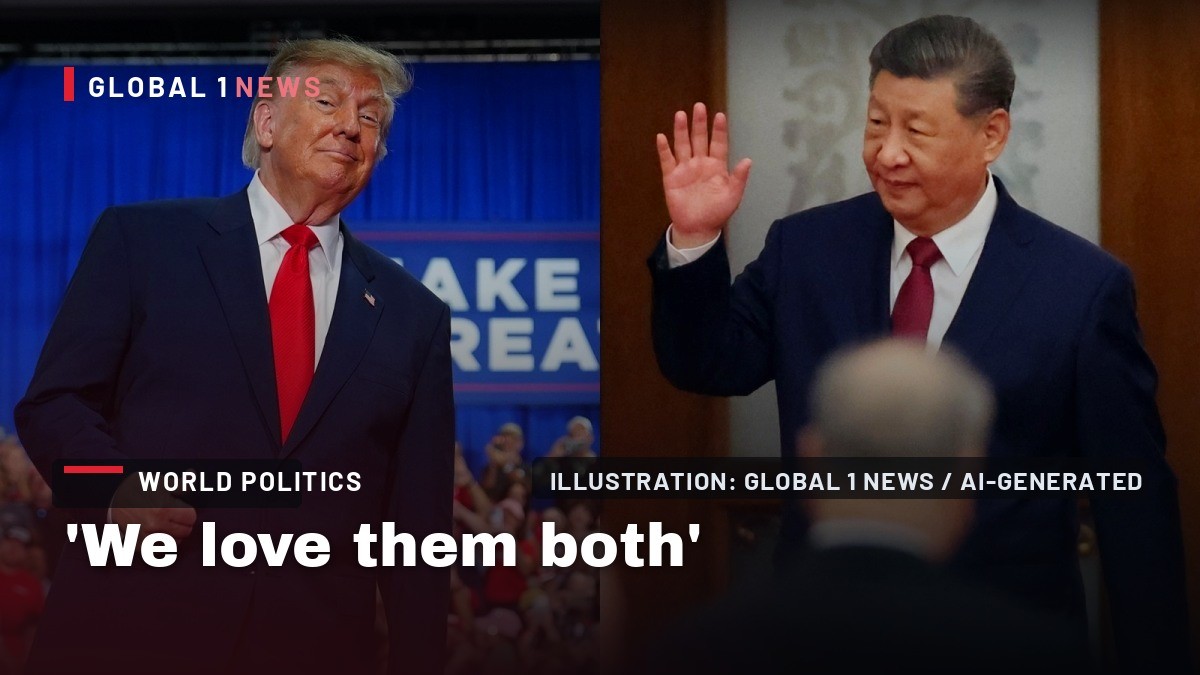
In a starkly nationalist address to the United Nations General Assembly on 22 September 2026, U.S. President Donald Trump used the global stage to champion a hard‑line stance against Iran while lambasting what he termed a “globalist agenda.” The speech, captured in Al Jazeera English’s live broadcast, reverberated far beyond Washington, striking chords across Latin America where the United States’ foreign policy is often a flashpoint for political debate, economic anxiety, and grassroots activism. As the president called for a new wave of economic isolation against Tehran and defended his administration’s military actions, Latin American leaders, Indigenous movements, and climate advocates listened with a mixture of alarm, skepticism, and strategic calculation.
Trump’s Justification for Military Action Against Iran
President Trump framed the United States’ recent military engagement with Iran as a necessary response to Tehran’s alleged nuclear ambitions and support for terrorism. He asserted that “Iran must abandon its nuclear ambitions and support for what he describes as terrorism,” positioning the strike as a defensive measure rather than an act of aggression. This narrative, repeated throughout the speech, aligns with the administration’s broader rhetoric of “protecting American security” through decisive force.
The president’s emphasis on the Strait of Hormuz— a vital chokepoint for global oil shipments— underscored the strategic calculus behind the operation. By highlighting “commercial shipping” in the region, Trump implied that any Iranian threat to the waterway would directly jeopardize global energy markets, a claim that resonates with the concerns of oil‑exporting nations such as Venezuela and Mexico, both of which have historically navigated U.S. pressure over energy policy.
Latin American observers noted the potential ripple effects of a heightened U.S.–Iran confrontation. In Brazil, the Ministry of Environment (MMA) and the Brazilian Institute of the Environment and Renewable Natural Resources (IBAMA) have warned that any escalation could destabilize regional trade routes and complicate efforts to secure sustainable energy transitions. The speech’s militaristic tone also raised questions about the United Nations’ capacity to mediate such disputes, especially given Trump’s explicit criticism of “globalist” institutions.
Claims of Victory in Gaza and Hostage Rescue
Trump claimed credit for “ending the war in Gaza, bringing home hostages and brokering settlements in several conflicts.” While the video does not provide specific details of these achievements, the president’s assertion serves to reinforce a narrative of American diplomatic supremacy. By presenting the United States as a peace‑broker, Trump sought to legitimize his broader foreign policy agenda, which includes a hard line on Iran and a push for economic isolation.
The claim of ending the Gaza conflict carries particular weight for Latin America, where public opinion often sympathizes with Palestinian self‑determination. Governments in countries such as Colombia and Ecuador have historically condemned Israeli military actions, framing them within a broader critique of Western interventionism. Trump’s self‑congratulatory remarks therefore risk inflaming anti‑U.S. sentiment across the region, especially among left‑leaning parties and civil society groups that view the United States as a primary backer of Israel.
Human rights organizations in the region, including the Inter‑American Commission on Human Rights, have warned that any unilateral claims of peace without inclusive negotiations could undermine long‑standing efforts toward a durable resolution. The president’s statements, delivered without reference to multilateral verification, highlight a growing tension between unilateral U.S. claims and the collaborative mechanisms championed by the United Nations.
Economic Isolation of Iran: A Call to Latin America
Central to Trump’s speech was a rallying cry for “countries to join the US in enforcing economic isolation of Iran.” He urged a coordinated effort to cut off Iranian trade, finance, and diplomatic engagement, presenting it as a collective security measure. The call for isolation is framed not merely as a punitive action but as a preventive strategy to curb what the president described as Tehran’s “terrorist support.”
Latin American economies, many of which rely on diversified trade partnerships, face a dilemma. Nations such as Brazil and Argentina have historically maintained diplomatic and commercial ties with Iran, especially in sectors like agriculture and energy. The prospect of aligning with U.S. sanctions could jeopardize existing contracts and limit market access, creating a tension between economic pragmatism and political alignment.
Moreover, the call for isolation intersects with ongoing debates about sovereignty and external pressure. The Brazilian Ministry of Foreign Affairs has previously emphasized the principle of non‑intervention, a stance echoed by the Colombian Ministry of Foreign Affairs, which has warned against external coercion that could infringe on national decision‑making. As Trump’s speech circulates, policymakers across the continent must weigh the diplomatic costs of siding with Washington against the potential security benefits he touts.
Trump’s Critique of Globalism and UN Reform
Beyond Iran, Trump used the UN podium to launch a broader critique of “globalist” agendas, calling for reforms that would, in his view, restore national sovereignty and curb what he perceives as overreaching international institutions. He singled out the International Criminal Court (ICC) and global taxation proposals as examples of “globalist” overreach, positioning the United States as a defender of national interests against supranational encroachments.
This rhetoric resonates with populist currents in Latin America, where anti‑globalist sentiment has surged in recent years. Leaders in Brazil and Mexico have, at times, framed global financial mechanisms as threats to domestic policy autonomy. However, the president’s blanket condemnation of the ICC also raises concerns for human rights defenders in the region, who rely on the court’s jurisdiction to pursue accountability for crimes against humanity and environmental destruction.
Environmental ministries across the continent, such as Brazil’s MMA and Peru’s Ministry of Environment, have highlighted the need for robust international cooperation to address climate change—a challenge that transcends borders. Trump’s dismissal of global coordination threatens to undermine collaborative climate initiatives, including the Paris Agreement framework, which Latin American countries have championed as a vehicle for equitable climate action.
Migration, Climate Policy, and AI Regulation in the Speech
Trump’s address also touched on migration, climate policy, and the regulation of artificial intelligence, which he dubbed “super intelligence.” He framed migration as a security issue, calling for stricter controls, while simultaneously casting climate policy as a domain where the United States must protect its economic interests. The president’s stance on AI regulation—advocating for tighter oversight—signals a desire to shape emerging technologies under a nationalistic lens.
These positions have direct implications for Latin America. Migration flows from Central America to the United States have long been a point of contention, with countries like Guatemala and Honduras arguing that U.S. policies often ignore the root causes of displacement, such as climate‑induced droughts and violence linked to illegal mining. By framing migration primarily as a security challenge, Trump’s rhetoric could pressure regional governments to adopt stricter border measures, potentially straining diplomatic relations.
Climate policy, meanwhile, remains a cornerstone of Latin American development strategies. Brazil’s recent commitments to expand renewable energy, Colombia’s reforestation programs, and Chile’s ambitious carbon‑neutral goals all depend on international financing and technology transfer. Trump’s emphasis on protecting “economic strength” while downplaying climate urgency threatens to stall the flow of climate finance, especially as the United States has historically been a major donor to regional climate initiatives.
Regional Reactions and the Path Forward
In the hours following the UNGA address, a chorus of reactions emerged from Latin America’s political corridors. Brazil’s Ministry of Foreign Affairs issued a measured statement, acknowledging the United States’ right to defend its interests while reaffirming Brazil’s commitment to multilateral dialogue and sovereign decision‑making. Meanwhile, activist groups in the Amazon basin, already grappling with deforestation pressures, warned that heightened U.S. focus on Iran could divert attention and resources away from pressing environmental crises at home.
In Mexico, officials expressed concern over the president’s migration rhetoric, emphasizing that any bilateral approach to border security must address the underlying socioeconomic drivers of migration, including climate‑related agricultural loss. The Mexican Ministry of Environment highlighted the need for continued cooperation on cross‑border air quality and water management, areas that could be jeopardized if U.S. policy shifts toward isolationism.
Across the Andes, indigenous leaders in Peru and Bolivia voiced apprehension about the United States’ dismissive stance toward global institutions that have historically supported indigenous land rights and environmental protections. They warned that a retreat from multilateralism could embolden extractive projects that threaten their territories, especially as global markets seek alternative sources of minerals amid sanctions on Iran.
As the United Nations continues its deliberations, the Latin American region stands at a crossroads. The Trump administration’s push for economic isolation of Iran, coupled with a broader anti‑globalist agenda, forces regional actors to navigate a complex matrix of security concerns, economic interests, and environmental imperatives. Whether countries choose to align with Washington’s hardline approach or reaffirm their commitment to multilateral cooperation will shape the geopolitical and climate landscape of the hemisphere for years to come.
By Elena Vasquez, Staff Writer
This article was produced with AI-assisted research and editorial support. Reporting is based on the source material cited below. Sources: Al Jazeera English video report (22 September 2026); Al Jazeera English; Global1.News
What's Your Reaction?
 Like
0
Like
0
 Dislike
0
Dislike
0
 Love
0
Love
0
 Funny
0
Funny
0
 Wow
0
Wow
0
 Sad
0
Sad
0
 Angry
0
Angry
0

Latin America Correspondent at Global1.News. Based in Mexico City, covering politics, economics, energy, and culture across the region. Brings an on-the-ground perspective to stories spanning from the Rio Grande to Patagonia.










Comments (0)