
Boks’ braai smoke and mirrors is boring
Springbok rugby has always been a kaleidoscope of flair and grit, but the current state of the green‑and‑gold side feels more like a shambles than a spectacle.
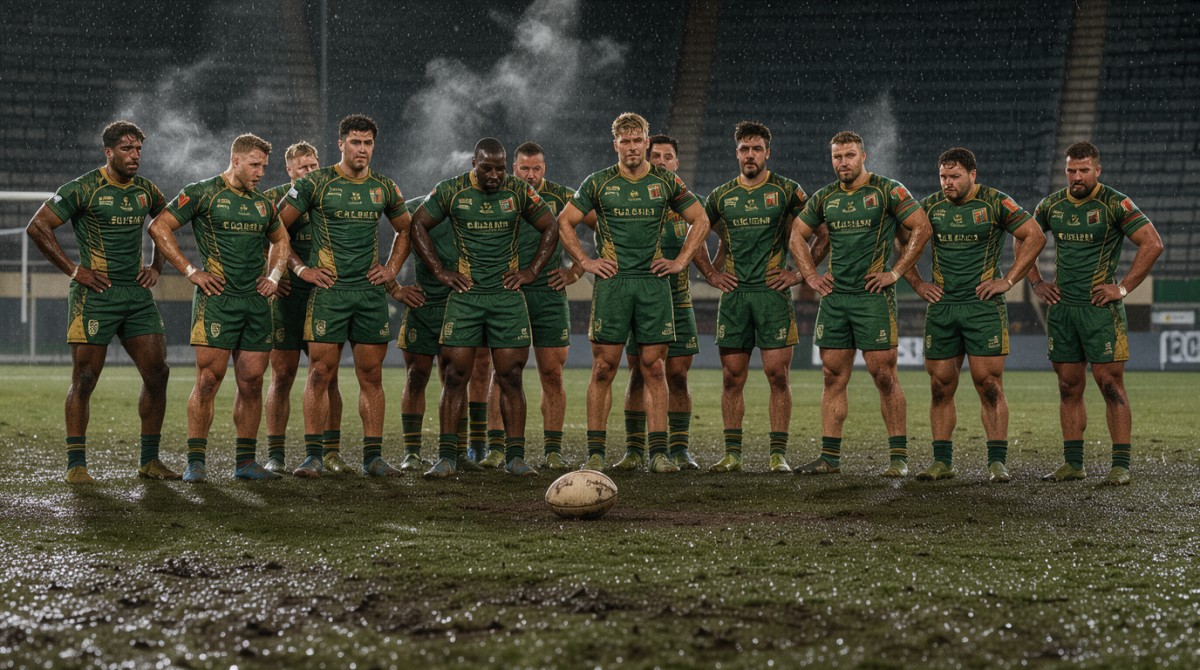
Springbok rugby has always been a kaleidoscope of flair and grit, but the current state of the green‑and‑gold side feels more like a shambles than a spectacle. The latest flashpoint came at Mzwandile Stick’s press conference in London, where the new coach’s attempt to communicate solely in Xhosa, with an interpreter at his side, turned into a sideshow rather than a clear message. The language barrier, rather than showcasing cultural pride, became a distraction that echoed Rassie Erasmus’ own missteps during the Boks’ loss to Ireland, when his watch‑along was criticised for diverting focus from the on‑field battle.
Press conference or performance?
The London briefing highlighted a deeper issue: the Springboks seem more preoccupied with media choreography than with sharpening the tools needed for the Nations Championship final against France. While the world champions will inevitably have to win on the field, the pre‑match narrative has been dominated by optics, leaving fans and pundits questioning whether the coaching staff are using media tactics to deflect from on‑field shortcomings.
Stick’s reliance on an interpreter, though well‑intentioned, underscored a communication gap that mirrors the broader strategic disconnect. Instead of delivering crisp tactical insights, the session offered a glimpse of a team whose internal dialogue appears muddled, feeding into the perception that the Boks are more concerned with managing perception than mastering the scrum.
Depth at hooker: a glaring omission
One of the most striking criticisms levied at the coaching set‑up is the three‑year neglect of depth at hooker. Malcolm Marx’s recent toe stub in the shower, as noted by commentators, is emblematic of a squad that lacks adequate cover in a crucial position. The absence of a reliable backup has forced the coaches to make questionable call‑ups, such as Bongi Mbonambi’s return to the squad.
Mbonambi, who has not featured in a Test since November 2025 and has barely seen game time in the past year, was summoned to the London camp. The optics of his inclusion—questioned as a “buffet sampling” role—raise doubts about the selection criteria and hint at a desperation to fill gaps rather than a strategic plan to nurture emerging talent.
Injury roulette and last‑minute changes
Recent weeks have seen a spate of injury‑driven adjustments that threaten to destabilise the Springboks ahead of the Twickenham showdown. The narrative that “we saw the France team named, so we made changes” has become a convenient excuse for a roster that appears increasingly fragile. Jan‑Hendrik Wessels, for instance, could easily pull a hamstring disembarking the bus, a scenario that underscores the precarious nature of the current squad composition.
Equally concerning is the selection of Salmaan Moerat, a player whose injury history has been well documented. The scepticism surrounding his chances of taking the field is palpable, especially when juxtaposed with the slim odds of Manie Libbok splitting the uprights with a beach ball—a colourful metaphor that captures the perceived absurdity of the coaching decisions.
Political patronage and brand risk
The banned Erasmus continues to enjoy backing from South African politicians accustomed to courting media attention. This political shield, however, may soon clash with commercial realities. Sponsors, ever vigilant about brand perception, could start questioning the SA Rugby brand if the team’s off‑field antics—such as media officers invoking sub‑judice to silence journalists—damage the sport’s reputation.
Recent incidents, like the travelling media officer’s refusal to entertain press queries on the grounds of legal constraints, have sparked concerns about transparency. When a press conference is treated like a courtroom, the sport risks alienating its own media ecosystem, which is essential for maintaining fan engagement and sponsor confidence.
Defensive structure in disarray
Beyond the media circus, the Springboks’ defensive framework—crafted under Jacques Nienaber—appears to be unraveling. Critics argue that the lack of cohesion and the erosion of the previously sturdy defensive line have left the team vulnerable, especially against a French side renowned for its attacking flair.
The erosion of this structure is not merely tactical; it reflects a broader fatigue within the coaching hierarchy. Years of “braai smoke and mirrors” tactics, as described by observers, have worn thin, and the defensive frailties now risk undermining the Boks’ ambitions for a third consecutive World Cup triumph.
Player perspective: bearing the brunt
Amid the swirling criticism, the players remain the ones who must translate strategy into performance on the pitch. Siya Kolisi, the Springbok captain, carries the weight of leading a side caught between media theatrics and on‑field expectations. The sentiment that the squad is left to “play a real game” while the coaching staff juggle optics resonates deeply within the locker room.
For the likes of Kolisi and his teammates, the upcoming clash with France is more than a test of skill; it is a litmus test of whether the team can rise above the distractions and deliver a performance that restores faith among fans who have grown weary of “braai smoke and mirrors.”
Looking ahead: beyond the final
The Nations Championship final will serve as a pivotal moment for the Springboks. A victory could temporarily silence critics, but the underlying issues—lack of depth, injury‑prone selections, opaque communication, and political entanglements—will linger unless addressed head‑on. The coaching staff must pivot from media‑centric strategies to genuine squad development if they hope to dominate world rugby beyond the World Cup cycle.
In the broader South African sporting context, the Boks’ situation mirrors challenges faced across disciplines: the tension between transformation, performance, and commercial pressures. As fans rally behind their heroes, they also demand accountability and a clear pathway to sustained excellence. The next few weeks will reveal whether the Springboks can shed the smoke, tighten their ranks, and deliver the brand of rugby that has long united a nation.
This article was produced with AI-assisted research and editorial support. Reporting is based on the source material cited below. Sources: SARugbyMag; sarugbymag.co.za; Global1.News (24 November 2026).
By Dante Williams, Staff Writer
What's Your Reaction?
 Like
0
 Dislike
0
 Love
0
 Funny
0
 Wow
0
 Sad
0
 Angry
0

Breaking News and Investigations Correspondent at Global1.News. Based in London, covering global breaking news, security, and investigative stories. Known for digging deeper and connecting the dots across continents.











Comments (0)