
COP31 Turkey Climate Summit Stalls as Nations Reject Fossil‑Fuel‑Free Draft
Channel 4 News reported that the COP31 climate summit in Turkey concluded on 22 November 2026 without a binding agreement, after a heated dispute over the omission of any reference to fossil fuels in the draft text.
Channel 4 News reported that the COP31 climate summit in Turkey concluded on 22 November 2026 without a binding agreement, after a heated dispute over the omission of any reference to fossil fuels in the draft text. European delegations, joined by a handful of other countries, walked away from the negotiations, branding the proposal as “greenwashing” and the “lowest common denominator”. The failure to reach consensus leaves the international community facing a stark question: how to bridge the widening gap between climate ambition and political realities as the world edges closer to the 2030 emissions targets set out in the Paris Agreement.
Why the draft fell flat
The draft agreement that was tabled for final approval at COP31 conspicuously avoided any mention of fossil fuels, a decision that sparked immediate backlash from a coalition of European states. In the Channel 4 footage, officials from these nations described the text as a “lowest common denominator” that failed to address the core driver of global warming. Their criticism hinged on the belief that any credible climate accord must explicitly commit to phasing out coal, oil and gas, or at the very least set clear pathways for reducing reliance on these energy sources.
European delegations argued that the omission amounted to “greenwashing” – a term they used to suggest that the draft offered a veneer of environmental progress while sidestepping the hard choices required to meet net‑zero goals. The lack of fossil‑fuel language, they warned, would allow countries to continue business‑as‑usual practices without accountability, undermining the credibility of the entire process.
Other nations, though not named in the video, also joined the European bloc in rejecting the draft. Their shared stance highlights a growing consensus among certain parts of the international community that any climate deal must confront the fossil‑fuel question head‑on, rather than treating it as a peripheral issue.
Implications for the UK
For the United Kingdom, the collapse of COP31 carries both diplomatic and domestic ramifications. Westminster has long positioned itself as a leader in climate policy, with the 2025 target of a 78 per cent reduction in greenhouse‑gas emissions from 1990 levels and a legally binding net‑zero commitment by 2050. The UK’s own energy transition, underscored by the phase‑out of unabated coal power and the expansion of offshore wind, relies on clear international signals that fossil‑fuel use will be curtailed globally.
The absence of a firm fossil‑fuel clause at COP31 could complicate the UK’s negotiations with trading partners, particularly within the European Union, where many states have signalled a willingness to tighten emissions standards. British businesses that have invested heavily in green technologies may find themselves at a competitive disadvantage if other markets are permitted to maintain high‑carbon energy mixes.
Moreover, the UK’s domestic political landscape, currently navigating the aftermath of the 2026 general election, will likely see the COP31 outcome used as a talking point by opposition parties. Critics may argue that the government’s reliance on multilateral forums has yielded little tangible progress, pressing the Home Office and the Department for Business, Energy and Industrial Strategy to demonstrate more decisive action at home.
Economic stakes of a stalled deal
The Channel 4 report hinted at the broader economic stakes tied to the failure of COP31. Investment in low‑carbon infrastructure, from renewable generation to electric‑vehicle charging networks, is increasingly contingent on policy certainty. When nations balk at committing to fossil‑fuel reductions, investors may perceive heightened risk, potentially slowing the flow of capital into the green sector.
In the UK, this uncertainty could reverberate through the green finance market, which has grown substantially since the launch of the Green Finance Strategy in 2021. A lack of international alignment on fossil‑fuel phase‑outs may dampen the appetite of pension funds and sovereign wealth funds to allocate resources to climate‑focused projects, thereby affecting the UK’s ambition to become a global hub for sustainable finance.
Conversely, some industry groups may view the diplomatic impasse as an opportunity to lobby for more gradual transitions, arguing that abrupt fossil‑fuel curtailment could jeopardise energy security and economic stability. The balance between these competing narratives will shape the policy debate in Westminster and the devolved administrations over the coming months.
Political dynamics within the summit
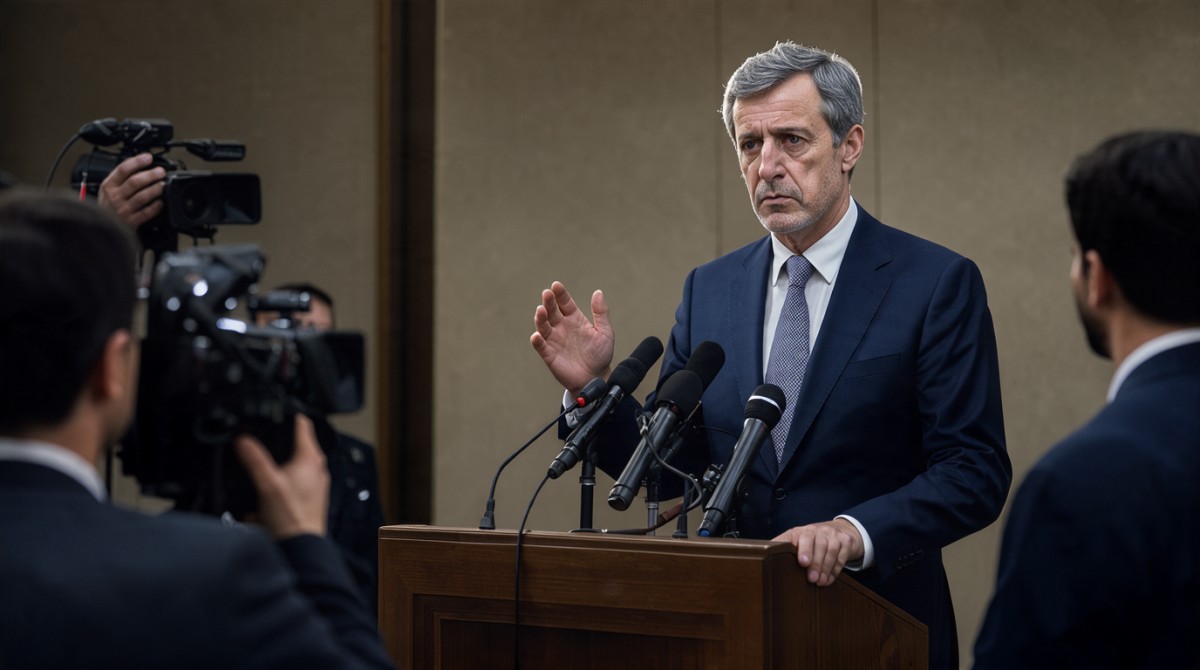
The Channel 4 footage captured a palpable tension among delegations as the summit progressed towards its scheduled conclusion on Friday. European ministers, flanked by their diplomatic teams, were seen delivering pointed remarks about the draft’s shortcomings. Their insistence on a fossil‑fuel clause reflected a broader political calculus: demonstrating leadership on climate change ahead of domestic elections and maintaining credibility with environmentally conscious electorates.
Other blocs, while not explicitly identified in the video, appeared to adopt a more cautious stance, perhaps wary of the economic repercussions of a rapid fossil‑fuel phase‑out. This divergence underscores a recurring fault line in climate negotiations – the clash between ambition and feasibility, especially for economies heavily reliant on hydrocarbon revenues.
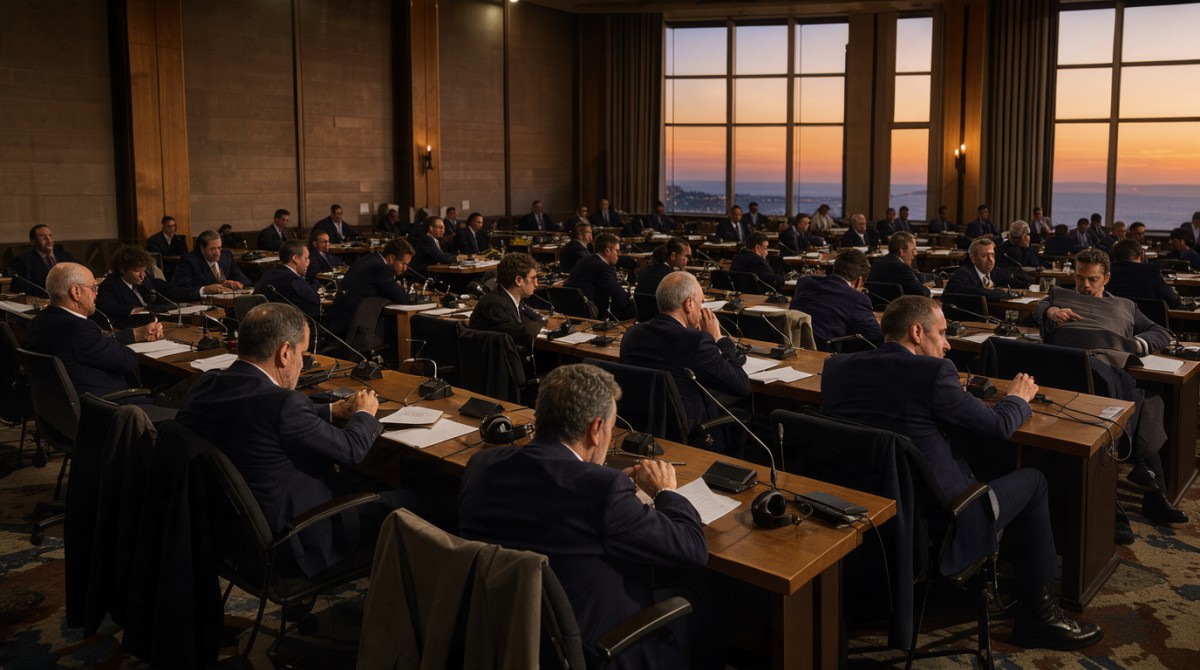
The stalemate also revealed the limits of consensus‑building mechanisms within the UNFCCC framework. With the draft already lacking a reference to fossil fuels, the European bloc’s rejection was swift and decisive, leaving little room for compromise. The outcome suggests that future negotiations may need to address the fossil‑fuel issue earlier in the drafting process, rather than as an after‑thought.
Historical context and future pathways
COP31 was intended to build on the momentum generated by previous summits, notably the 2023 Glasgow Climate Pact, which had urged parties to “phase down” unabated coal. However, the absence of a clear fossil‑fuel language at this summit marks a regression in the trajectory of international climate policy. Historically, the inclusion of explicit fossil‑fuel commitments has been a litmus test for the seriousness of climate action, as seen in the 2015 Paris Agreement’s Article 4, which called for a “balance between anthropogenic emissions by sources and removals by sinks of greenhouse gases”.
The failure to secure such language at COP31 may prompt a re‑evaluation of negotiation strategies. Some analysts, referenced in broader commentary, argue that a more fragmented approach – allowing regional coalitions to set their own fossil‑fuel targets – could circumvent the deadlock at the global level. Others contend that without a unified, legally binding framework, the risk of “free‑riding” will intensify, weakening overall climate ambition.
For the UK, the path forward may involve leveraging its position within the G7 and the Commonwealth to champion a renewed push for fossil‑fuel commitments. By aligning with like‑minded partners, Britain could help shape a new draft that addresses the criticisms raised at COP31, thereby restoring momentum ahead of the next major climate conference scheduled for 2028.
What comes next for the climate agenda
In the immediate aftermath of the summit, Channel 4’s correspondents noted that the draft text will be revisited in informal talks among the dissenting nations. The European bloc’s strong language – describing the proposal as “greenwashing” – suggests they will not retreat quietly. Instead, they are likely to draft an alternative version that re‑introduces fossil‑fuel language, aiming to bring it back to the negotiating table before the next UNFCCC plenary.
Meanwhile, civil society groups, from youth climate activists to environmental NGOs, have vowed to keep pressure on governments. The disappointment expressed in the video report reflects a broader sense of urgency among the public, who are increasingly aware that each missed deadline narrows the window for limiting global warming to 1.5°C.
For the United Kingdom, the onus will be on the Department for Business, Energy and Industrial Strategy and the Treasury to translate the international disappointment into domestic policy action. Whether through accelerated offshore wind licences, expanded carbon‑capture projects, or stricter emissions standards for industry, the UK must demonstrate that it can lead by example, even when multilateral progress stalls.
In sum, the collapse of COP31’s draft underscores a pivotal moment in climate diplomacy. The stark rejection by European and allied nations over the omission of fossil‑fuel language has left the summit without a deal, exposing the fragility of consensus in the face of divergent national interests. As the UK watches the fallout, the challenge will be to harness this setback as a catalyst for more decisive, transparent, and ambitious climate action both at home and on the world stage.
By Erica Thornton, Staff Writer
This article was produced with AI-assisted research and editorial support. Reporting is based on the source material cited below. Sources: Channel 4 News video report (22 November 2026); Channel 4 News; Global1.News
What's Your Reaction?
 Like
0
 Dislike
0
 Love
0
 Funny
0
 Wow
0
 Sad
0
 Angry
0

US Politics and Policy Correspondent at Global1.News. Based in Washington DC, covering American politics, policy, elections, and the courts. Knows how the system works and tells you what it actually means.













Comments (0)