
Moscow and St Petersburg Went Dark, and the Regulator Won't Say Why
Internet service failed across Moscow and St Petersburg on 23 November 2026, including, for some users, sites on the government's own white list, and no official has explained why. The same day, Mediazona's editor was fined and a leaked report said the restrictions do not work.
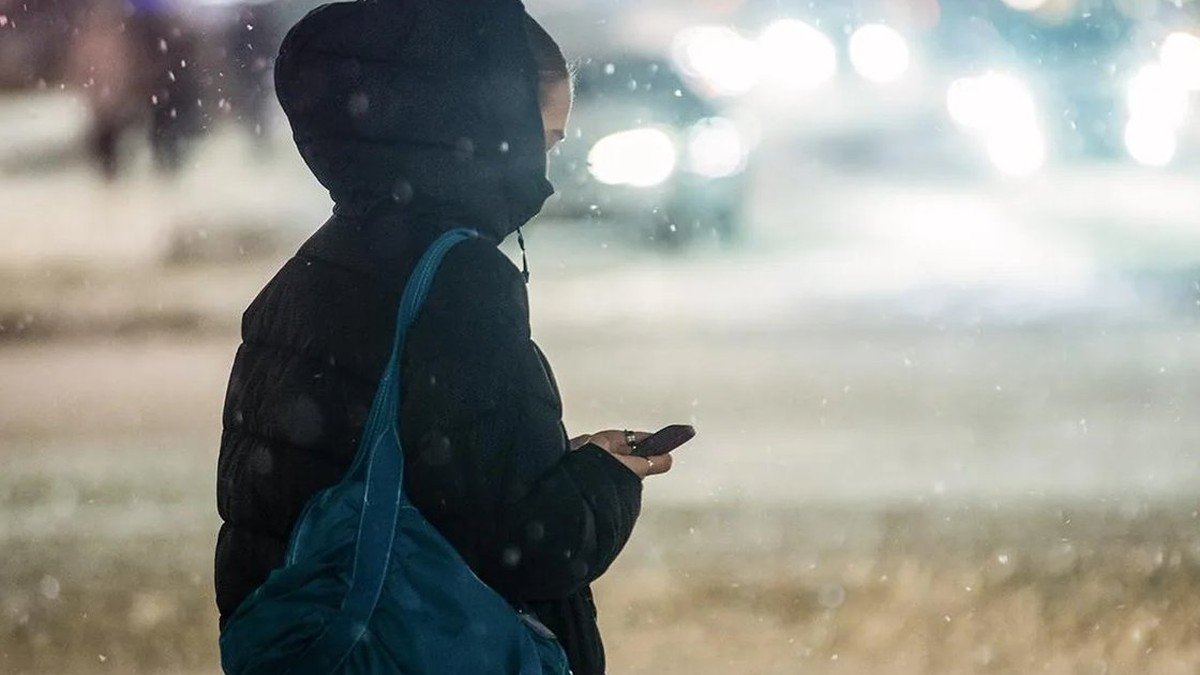
On the morning of 23 November 2026, Muscovites and Petersburgers woke to phones that would not load and home connections that had gone silent. The regulator has said nothing. What follows is what is documented, what is alleged, and what remains unknown.
Moscow and St Petersburg Went Dark, and the Regulator Won't Say Why
Moscow, Russia — Mobile and home internet failed across Moscow and St Petersburg on the morning of 23 November 2026, with complaints surging through the morning No government body or operator issued a statement explaining the outage. The cause, as of this broadcast, is not known.
Two Cities, One Morning, No Explanation
Residents of Moscow and St Petersburg reported internet outages on the morning of 23 November 2026, affecting both mobile and home connections, according to Meduza. The Moscow Times Russian service and Charter97 carried the same account. Subscribers of MTS, MegaFon, Beeline, T2 and Yota all reported mobile outages, The Moscow Times Russian service reported. By afternoon the number of complaints had declined, Meduza reported. No government body and no operator issued a statement explaining what happened that morning. Meduza's English edition stated plainly that the cause of the problems was not known. Russian outlets routinely attribute mobile restrictions to a declared "drone danger" in a region, and news.ru reported that sites and apps may fail to load when a drone-danger declaration is in force in a region. That is the standing explanation for restrictions generally. It is not a confirmed cause for 23 November.
The Whitelist Failed Too
The government maintains a "white list" of services supposed to remain accessible during restrictions: Gosuslugi, VK and Odnoklassniki, the state-backed messenger Max, Yandex services, Ozon, Wildberries, Megamarket, Avito, Dzen and Rutube. Voice calls and SMS are not affected, according to news.ru and Proton VPN. On 23 November, some users said even websites on that white list did not load, Meduza and Charter97 reported. The reports that even whitelisted services failed are among the morning's documented accounts, and the authorities have not addressed them. Complaints logged by Downdetector described the experience in plain terms. "Messaging apps aren't working, apps aren't working", one user wrote. Another said: "Mobile internet only works near the Moscow Ring Road; anything closer to the center—[it doesn't]." A third: "My home internet has just died. It goes down consistently once or twice a week."
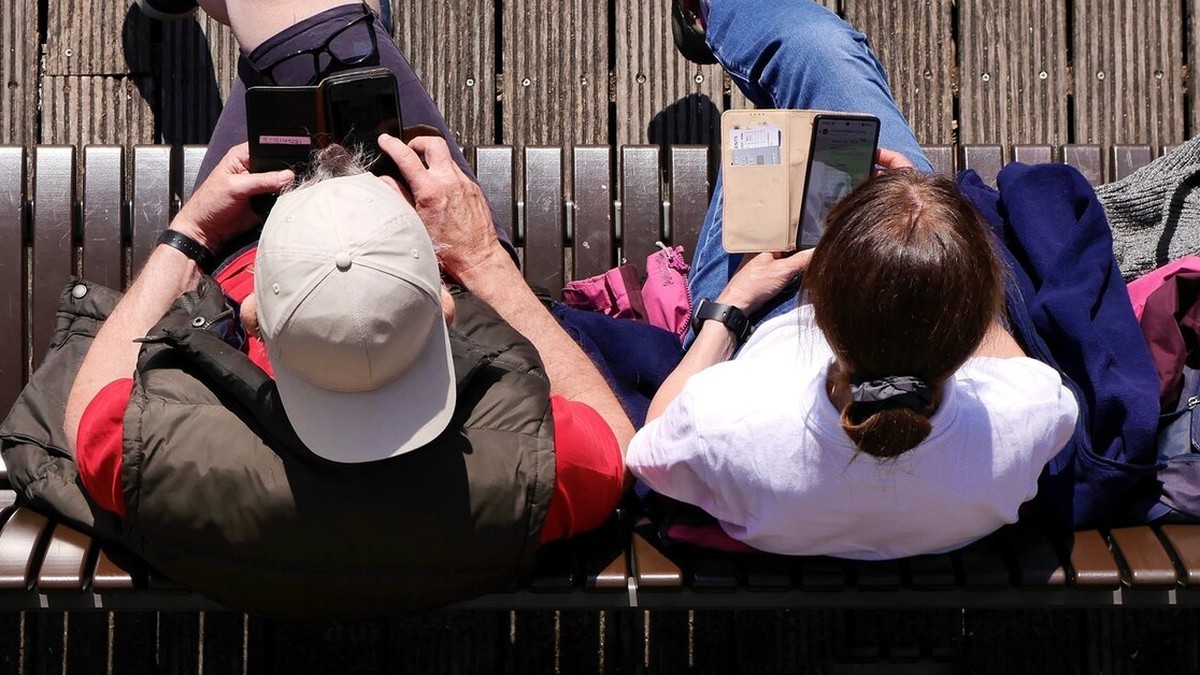
Five Thousand Complaints and No One to Ask
Downdetector recorded about 5,200 complaints from Moscow and another 3,100 from St Petersburg in the twenty-four hours around the outage, according to The Moscow Times Russian service and Charter97. The service's own figures were reported two ways: Meduza put the peak around 8 a.m., while The Moscow Times and Charter97 reported that complaints rose sharply around 11:00 local time and reached their peak between 12:00 and 13:00. The volume measures disruption, not cause. Operators rarely say why service has dropped, and the FSB's procedure does not allow them to, Proton VPN reported. Mobile internet shutdowns in Moscow have been regular since May 2025, against the backdrop of the war in Ukraine and the authorities' drive to control the country's telecommunications, The Moscow Times Russian service and Charter97 reported. The March 2026 shutdown was the largest, lasting two to three weeks in various districts of Moscow and the Moscow region, at an estimated cost to the economy of about 1 billion rubles per day. Kremlin spokesman Dmitry Peskov explained it at the time by security considerations.
The Secret Resolution the FSB Cited in Court
On 18 November 2026 it emerged that the FSB had cited a secret government resolution in court to justify its mobile internet shutdowns, Proton VPN reported. In April, 24 residents of the Volgograd region sued for compensation over repeated shutdowns between September and December 2025, naming the FSB, Roskomnadzor and the mobile operators; the first hearing was held on 17 November 2026. The FSB denied acting unlawfully and cited a 2025 government resolution, No. 1407, marked for official use only. The FSB said it had agreed a procedure for cutting service with MTS, Beeline and MegaFon under which operators may not reveal when the FSB orders them to restrict service and are not liable to customers for the outages. The resolution's contents have not been made public. The court record, as reported, shows that the legal basis for the shutdowns is itself classified.
Two Hundred Fifty Thousand Rubles for an Editor
Mediazona reported at 12:44 Moscow time on 23 November 2026 that its editor Dmitry Treshchanin had been fined 250,000 rubles in a criminal case under the foreign-agent law. Treshchanin was declared a "foreign agent" by the Justice Ministry on 8 November 2024. On 24 February 2026 the Interior Ministry put him on the federal wanted list. On 20 March 2026 the Leninsky District Court in Samara ruled in absentia to arrest him on a criminal charge of repeatedly violating the rules applicable to foreign agents, over posting on social media without the required label, the Council of Europe's journalistic-safety platform recorded. He lives outside Russia. Mediazona was founded in 2014 by Pussy Riot members Nadezhda Tolokonnikova, Maria Alyokhina and Pyotr Verzilov. It reports on Russia's courts, prisons and political repression, and its site was fully blocked in Russia in March 2022. On 21 August 2026 the Justice Ministry designated it a "foreign agent" again. Its editor-in-chief, Sergey Smirnov, was sentenced in absentia by a Moscow magistrate on 14 October 2026 to one year in a penal colony under the same law, OVD-Info reported.
The Report That Reached the Kremlin
A closed analytical report assessing the effectiveness of Russia's internet restrictions reached the Kremlin, prepared by a group of IT specialists, according to excerpts published by journalist Irina Mishina on her Telegram channel and reported by Men Today on 23 November 2026. It found that restrictions hit domestic business harder than they achieve their stated goals; that hundreds of millions of rubles leave the country as payments for commercial VPN services; that mass VPN adoption by minors has nullified years of work against dangerous content, giving young people access to pornography, drug propaganda and suicide material; that isolation damages the domestic IT sector and complicates working contacts with colleagues in allied Kazakhstan; that the state-backed messenger Max has not stopped fraud; and that colossal state spending on TSPU and DPI equipment, AI filtering and specialist salaries yields constant failures of services on the white list. It also pointed to growing social tension and to elderly people losing contact with relatives because of the restrictions. No Kremlin response is reported.
Fifteen to Twenty Years Backward
The report's central warning is that instead of limiting foreign platforms, the state is creating barriers to its own development, risking throwing the digital economy back 15-20 years, as reported by Men Today. The documented trend lines run alongside that warning without proving it. By March 2026 the monitoring project Na Svyazi said restrictions were being introduced in an average of 63 regions every day; in June 2025 alone it counted more than 650 local shutdowns, and by the end of that month more than half of Russia's regions were regularly affected, according to Proton VPN. Amnezia Pulse recorded 80 disruptions across 36 regions between 15 September and 20 October, including a new pattern of simultaneous shutdowns across several regions or operators. Freedom House's 2026 report found the government had restricted or shut down mobile internet in at least 38 regions, including Moscow and St Petersburg. In the first half of 2026, mobile data use in Russia fell by 22%, according to SberMobile data cited by Proton VPN.
Now the Games Need Permission Slips
Kommersant reported at 00:00 on 23 November 2026 that the Russian government may support introducing mandatory "rental certificates" for video games, by analogy with films, during discussion of the bill on activity for the development and distribution of video games. The proposal would require registering a game in the corresponding Roskomnadzor registry, storing data on the territory of Russia, and installing SORM, the state wiretapping system. Creators and distributors would be obliged to comply with the duties of organizers of information dissemination. The State Duma plans to finalize the bill and pass it in its first reading this year. Vasily Ovchinnikov, head of the Video Game Industry Development Organization, told Kommersant: "The mechanism of rental certificates for video games is not suitable. A certificate issued on the day of release, a month later, describes a different game." A source in one of the largest IT companies said the requirements would increase costs for studios and platforms and hurt the whole market.
What Is Not Known, and Why It Matters
The cause of the 23 November outage is not known. It has not been established as a shutdown order, a drone attack, a drill, an accident or sabotage, and none of those should be assumed. No official explanation has been issued. The contents of government resolution No. 1407 are marked for official use only and have not been published. The leaked report's authorship beyond "a group of IT specialists" is not established, and there is no reported Kremlin response to it. Whether the government will back rental certificates for video games is described as a possibility under discussion. The distinction matters because the standing mechanism is documented even where the specific trigger is not: operators are barred by the FSB's procedure from explaining outages, and the legal instrument the FSB cites in court is classified. Where the state will not say why, the public record can establish only what happened and who is prohibited from answering.
The Machine Is Still Turning
On 13 November 2026, reports revealed that Roskomnadzor had added machine learning to its traffic filtering system. On 19 November 2026, the Prosecutor General's Office warned the Wikimedia Foundation, which runs Wikipedia, that it could be declared an "undesirable" organization. In February 2026 the Committee to Protect Journalists counted 355 journalists and media outlets branded "foreign agents", 27 media outlets banned as "undesirable", and more than 25,000 websites blocked in connection with war reporting. Failure to comply with foreign-agent rules can mean fines, prosecution and up to two years in jail. In parts of the Ulyanovsk region the authorities cut mobile internet "until the end of the special military operation", Proton VPN reported. Putin defended the outages in April as a defense against "terrorist attacks" and rejected calls to warn people in advance, saying that would threaten national security. On 23 November, the networks came back by afternoon. No one explained why they went.
By Jessica Ali, Staff Writer
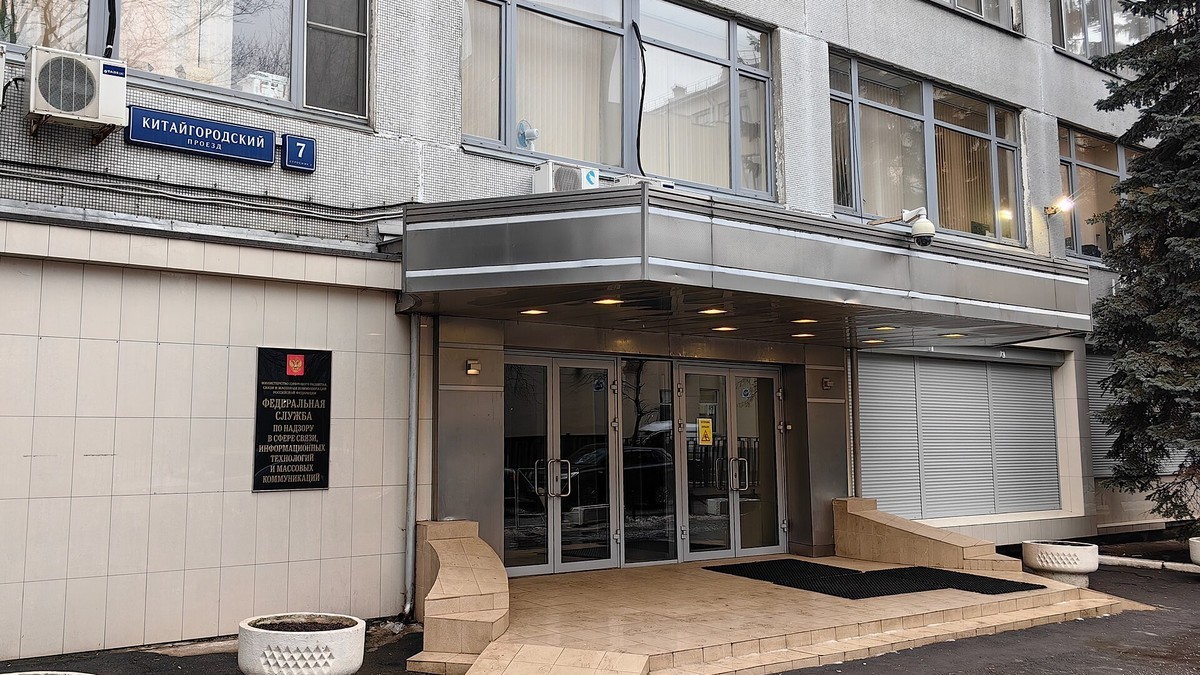
This article was produced with AI-assisted research and editorial support. Sources: Meduza, The Moscow Times, Charter97, Downdetector, zona.media, the Council of Europe Platform for the Safety of Journalists, OVD-Info, Reuters, the Committee to Protect Journalists, Proton VPN, Men Today, Kommersant, news.ru and the Na Svyazi monitoring project. Photographs: SubNews; Men Today; Roskomnadzor headquarters by Alexander Sigachyov, CC0, via Wikimedia Commons.
What's Your Reaction?
 Like
0
 Dislike
0
 Love
0
 Funny
0
 Wow
0
 Sad
0
 Angry
0

Editor-in-Chief at Global1.News. Atlanta-based journalist who cuts through the BS and tells it like it is. Lead anchor, host, and the voice you hear when the spin stops and the truth starts.









Comments (0)