
DA: Adequate pork supply until Q1 2027
Manila – As the Philippines braces for a possible pork shortage, the Department of Agriculture (DA) is assuring consumers that the nation’s pork supply will remain sufficient through the first quarter of 2027.
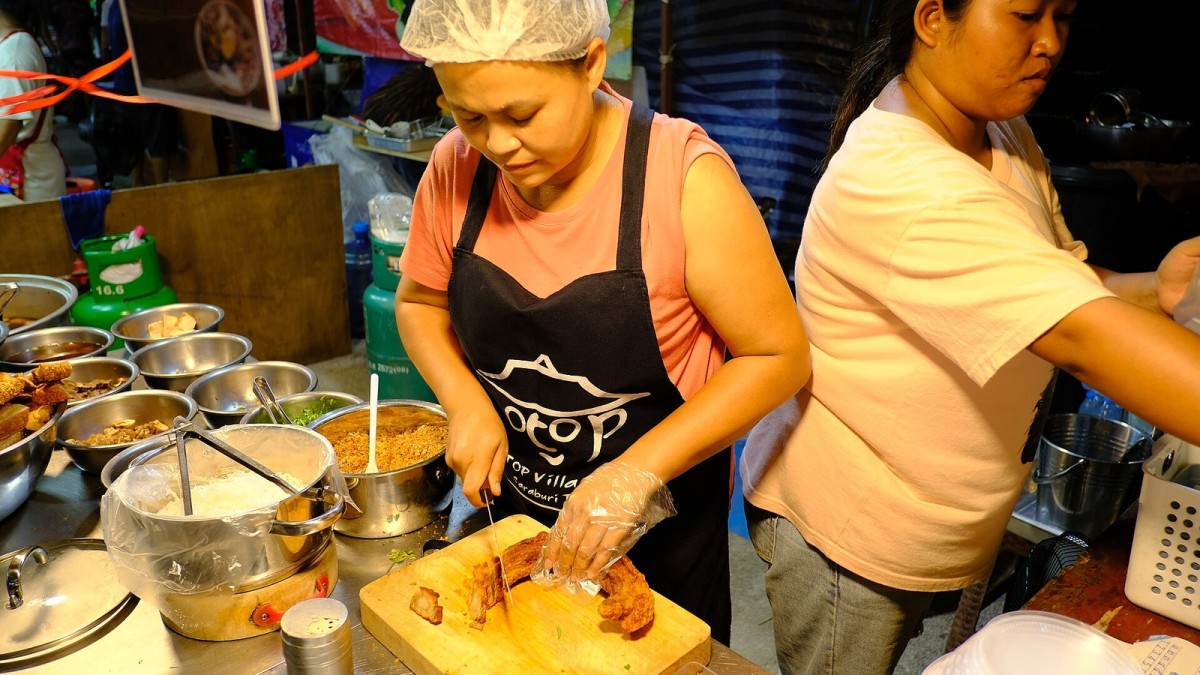
Manila – As the Philippines braces for a possible pork shortage, the Department of Agriculture (DA) is assuring consumers that the nation’s pork supply will remain sufficient through the first quarter of 2027. The reassurance comes amid a 60‑day ban on pork imports that the DA imposed earlier this year, a move intended to protect the local hog industry from what officials described as “serious injury” caused by a surge of foreign pork. While the ban has sparked concerns among meat processors and consumers alike, Agriculture Secretary Francisco Tiu Laurel Jr. insists that both domestic production and existing imported stocks are enough to meet demand for the coming months.
Background of the import ban
The DA’s decision to halt pork imports for 60 days stemmed from Department Order 33, which flagged a steep rise in foreign pork entering the market. Officials warned that the influx was hurting local hog farmers, many of whom operate small‑scale farms in barangays across Luzon, Visayas, and Mindanao. By limiting imports, the government hopes to give the domestic industry breathing room to stabilize production and prices.
Secretary Tiu Laurel explained that the ban is a temporary measure, not a permanent closure of the market. “The local industry stated that we have a lot of pork, and the data of the DA shows that we have a lot of local pork. We also have a lot of imported pork, so I think we won’t run out,” he told reporters, underscoring the department’s confidence in the current stockpile.
US Department of Agriculture’s warning
Earlier this month, a report from the United States Department of Agriculture (USDA) warned that the Philippines could face a pork shortage by the first quarter of 2027 if the import ban remains in place without a boost in local output. The USDA’s analysis highlighted that, under a scenario of reduced imports, domestic pork production would need to increase by at least 14 percent in the first three months of the following year to keep pace with demand.
The report also noted that the country consumed 430,000 metric tons of pork in carcass weight equivalent during the first quarter of 2026. This figure provides a benchmark for the volume of pork that Filipino households, sari‑sari stores, and street vendors rely on each year, especially during festive seasons like Pasko when pork dishes such as lechon and sisig become centerpiece meals.
Domestic pork production capacity
While the USDA’s projection calls for a 14 percent rise in output, the DA maintains that existing production levels, combined with imported pork already in the country’s warehouses, are adequate for the near term. The department’s data, as referenced by Secretary Tiu Laurel, indicates that local pork stocks are “a lot,” though the exact quantity was not disclosed.
Local hog producers, many of whom are members of cooperatives that practice bayanihan, are preparing for a potential ramp‑up in output. The DA’s role as a mediator between these producers and meat processors will be crucial in ensuring that any increase in supply does not compromise animal welfare standards or the livelihoods of small‑scale farmers.
Meat processors’ concerns and the upcoming meeting
Meat processors, who play a pivotal role in turning raw pork into the cuts and products that line the shelves of supermarkets and the stalls of wet markets, have requested an exemption from the import ban. Their appeal reflects worries that a prolonged shortage could disrupt supply chains, raise prices, and affect the profitability of businesses ranging from large‑scale plants to family‑run butcher shops.
Secretary Tiu Laurel confirmed that he will meet with processor representatives on November 24 to hear their concerns and assess their inventory levels. “The processors have a request if they can be considered exempt from the 60‑day ban. So, we’ll talk to the processors tomorrow to hear out. We’ll audit their stock levels,” he said, indicating a willingness to consider exemptions based on actual stock assessments.
Local hog industry’s role as stakeholder
Representatives from the local hog industry will also attend the November 24 meeting, underscoring the DA’s intent to balance the interests of producers and processors. For many small‑scale farmers, pork is not just a commodity but a source of livelihood that supports whole families and, by extension, the broader community.
The presence of hog industry leaders at the talks signals that the DA is seeking a collaborative solution. By mediating between the two sides, the department hopes to avoid a scenario where processors rely heavily on imports while local farmers continue to feel the pinch of reduced market access.
Potential impact on consumers
For the average Filipino consumer, the most immediate concern is the price of pork at the market. Pork is a staple protein in many households, and price spikes can strain family budgets, especially in low‑income barangays where a single kilo of pork can represent a significant portion of the weekly food allowance.
Should the import ban lead to a shortfall, the Department of Trade and Industry (DTI) may need to intervene to prevent price gouging. Meanwhile, the Department of Health will continue to monitor any health implications that could arise from changes in meat supply, such as the potential rise of adulterated or low‑quality products if informal markets fill any gaps.
Looking ahead: monitoring and policy adjustments
The DA has pledged to keep a close watch on pork inventories and market dynamics as the 60‑day ban progresses. Ongoing audits of processor stock levels and regular updates from hog producers will inform any policy tweaks needed to safeguard both supply and price stability.
As the country moves toward the first quarter of 2027, the balance between protecting the local hog industry and ensuring affordable pork for Filipino families will remain a delicate one. The outcome of the November 24 meeting, along with subsequent data from the DA’s monitoring efforts, will likely shape the next steps in the government’s strategy to keep pork on the table for every household, from the bustling streets of Manila to the far‑flung barangays of the provinces.
This article was produced with AI-assisted research and editorial support. Reporting is based on the source material cited below. Sources: Philstar.com; Global1.News (24 November 2026).
By Bella Reyes, Staff Writer
What's Your Reaction?
 Like
0
 Dislike
0
 Love
0
 Funny
0
 Wow
0
 Sad
0
 Angry
0

Philippines/Southeast Asia Correspondent at Global1.News. Manila-based journalist covering Philippine politics, environment, maritime security, and social issues. Passionate about marine conservation and the communities protecting the Philippines' natural heritage.














Comments (0)