
US Industry Outages Spark Regional Concerns Over Transparency and Security
In a recent Al Jazeera English broadcast titled “Major US industries disrupted. Are Americans getting answers?” the network laid out a week‑long cascade of failures that rattled essential sectors across the United States.
In a recent Al Jazeera English broadcast titled “Major US industries disrupted. Are Americans getting answers?” the network laid out a week‑long cascade of failures that rattled essential sectors across the United States. While the footage focused on American frustrations, the reverberations are felt far beyond the southern border, where trade ties, supply chains and political alliances bind Latin America to the fortunes of its northern neighbor. As Global1.News’ own correspondent follows the story, the lack of clear explanations from Washington—particularly the denial of any cyberattack by Secretary of State Marco Rubio—raises pressing questions about the resilience of regional infrastructure, the transparency of US authorities, and the broader geopolitical stakes that shape daily life from the Amazon basin to the Andean highlands.
What Went Wrong: A Snapshot of the Disruptions
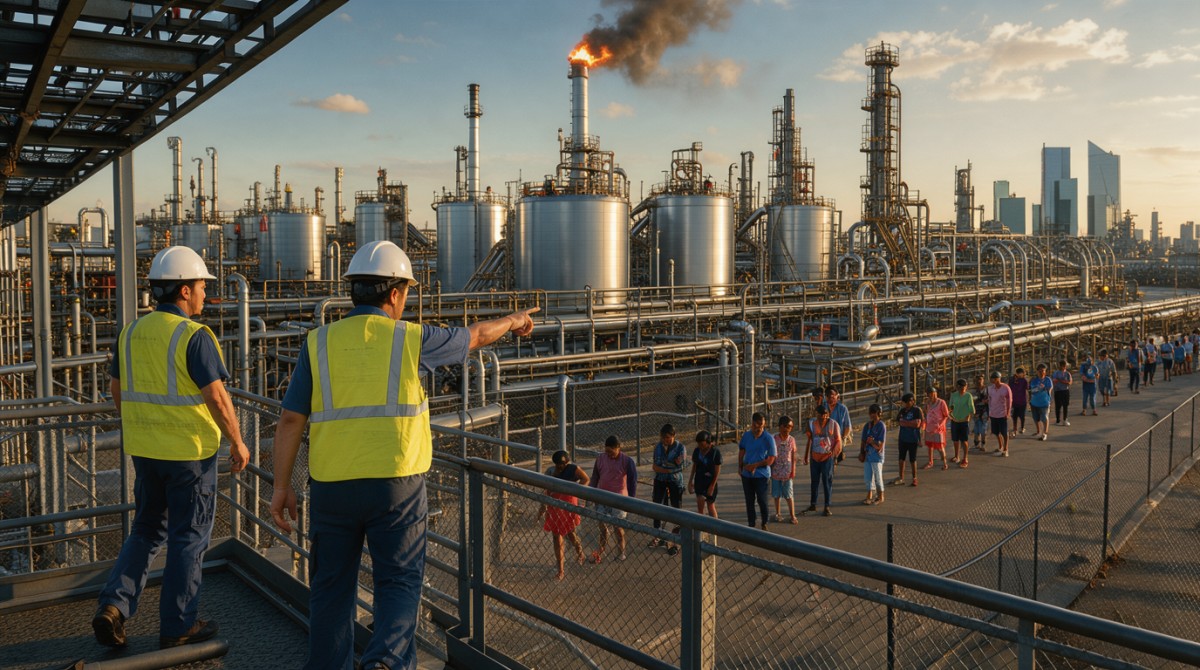
The Al Jazeera report documented a series of disruptions that struck “critical US industries,” leaving ordinary citizens bewildered and officials scrambling for answers. The video showed empty airport terminals, stalled manufacturing lines and flickering power grids, painting a picture of a nation momentarily paralyzed. Though the broadcast did not specify each sector, the visual evidence points to a breadth of impact that includes transportation, energy and digital services.
In the footage, commuters described long lines at airports, while factory workers recounted halted production lines and unexplained shutdowns of equipment. The narrative suggests a coordinated set of failures rather than isolated incidents, amplifying the sense of uncertainty that pervaded the country during that week.
Crucially, the report highlighted the response—or lack thereof—from US officials. Secretary of State Marco Rubio, appearing on camera, asserted that there was “no evidence of cyberattacks.” This denial, delivered without accompanying technical details, left many viewers questioning the thoroughness of the investigation and the transparency of the government’s communication strategy.
Why Transparency Matters for Latin America
Latin American economies are tightly interwoven with US supply chains. Disruptions in American manufacturing and logistics can quickly translate into delays for exports of commodities such as soy, coffee and minerals that travel through US ports. When the United States experiences a blackout or a transport gridlock, the ripple effect can tighten credit lines, raise freight costs and stall production schedules across the continent.
Moreover, the lack of a clear explanation from Washington fuels a climate of mistrust. Many Latin American governments, from Brazil’s Ministry of the Environment to Colombia’s Ministry of Mines and Energy, monitor US policy shifts closely because they often set precedents for regulatory standards and trade negotiations. When US officials are vague about the root causes of a crisis, regional partners are left guessing about potential spill‑over risks—whether they stem from technical failures, natural events or hostile cyber operations.
For Indigenous communities and local activists, transparency is not just a bureaucratic concern but a matter of environmental justice. If the disruptions were linked to energy infrastructure, for instance, questions arise about the resilience of hydroelectric projects that power both US and Latin American grids. Without clear data, civil society groups across the Andes and the Amazon cannot hold authorities accountable for preparedness or for the environmental costs of emergency measures such as backup diesel generators.
Potential Cyber Threats and Regional Defense Postures
The Al Jazeera segment repeatedly raised the specter of a cyberattack, even as Secretary Rubio denied any evidence. This tension underscores a broader regional anxiety about digital security. Latin American nations have been bolstering their cyber defenses through agencies like Brazil’s Agência Nacional de Segurança Cibernética and Colombia’s Cybersecurity Center, yet they often rely on intelligence sharing with the United States.
If the US disruptions were indeed the result of a sophisticated cyber operation, the episode could reveal gaps in collective defense mechanisms. The absence of a definitive attribution in the US narrative leaves open the possibility that foreign actors—state or non‑state—could target critical infrastructure across the hemisphere. Such a scenario would compel regional ministries of defense and technology to reassess joint response protocols and to demand greater transparency from Washington in future incidents.
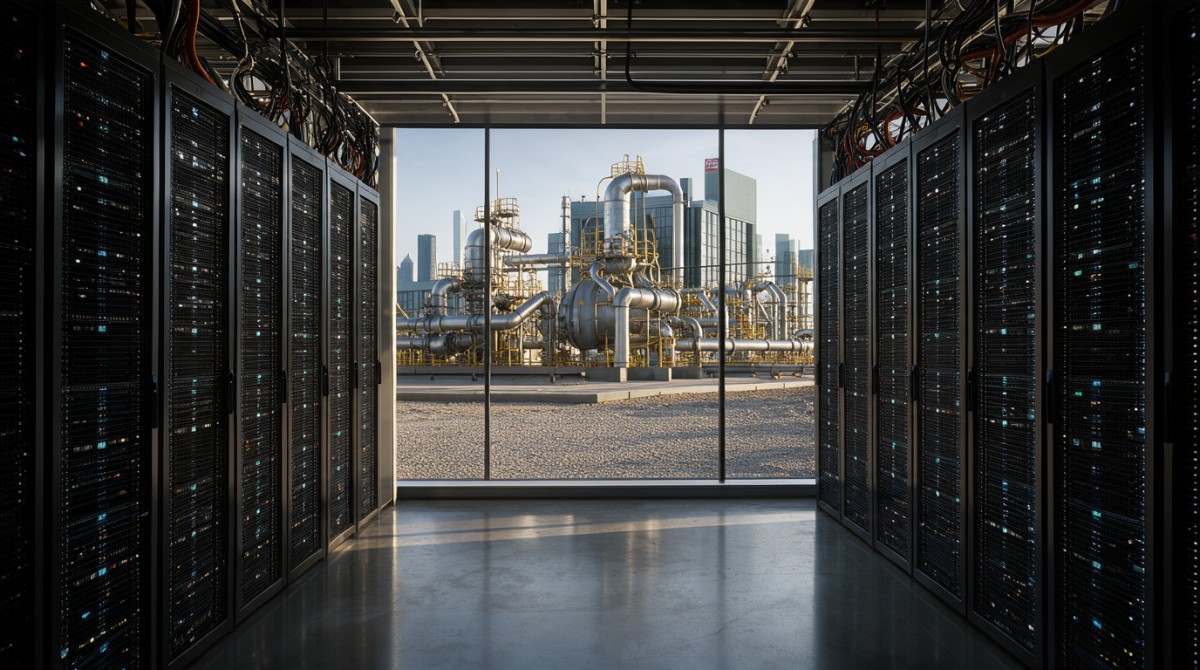
Conversely, if the failures were purely technical, the episode still highlights the fragility of interconnected digital systems. Latin America’s growing reliance on cloud services and cross‑border data flows means that any systemic glitch in the United States could cascade into service outages for banks, hospitals and government portals down south. The lesson, then, is to diversify digital dependencies and to develop regional data centers that can operate independently when external networks falter.
Economic Implications for Trade and Industry
The week‑long disruptions described in the Al Jazeera report likely reverberated through trade corridors that link the United States with Latin America. Ports along the Gulf of Mexico and the West Coast, which handle a significant share of agricultural exports from Brazil and Argentina, would have experienced congestion and delays. Such bottlenecks can erode profit margins for exporters and increase the price of commodities on global markets.
Manufacturing sectors in Mexico, heavily integrated with US supply chains under the US‑Mexico‑Canada Agreement (USMCA), would also feel the strain. Factories that depend on just‑in‑time delivery of components from the United States could see production lines idle, forcing managers to draw on costly inventory buffers or to renegotiate delivery schedules with clients.
Beyond immediate commercial losses, the episode may influence future investment decisions. Multinational corporations watch how governments manage crises; a perception of inadequate preparedness or opaque communication can deter capital inflows. For countries like Chile, which seeks to attract high‑tech manufacturing, the US experience serves as a cautionary tale about the importance of robust contingency planning and transparent crisis communication.
Social and Political Repercussions in the United States
The Al Jazeera footage captured not only infrastructure failures but also the public’s reaction. Ordinary Americans expressed frustration over “a week of uncertainty,” questioning whether authorities were forthcoming about the causes. This sentiment reflects a broader erosion of trust in institutions that has been evident in recent US political discourse.
Secretary of State Marco Rubio’s statement that there is “no evidence of cyberattacks” was delivered without accompanying technical details, which may have amplified skepticism. In a political climate where partisan narratives often clash over the interpretation of crises, such a brief denial can be seized upon by both critics and supporters, shaping the narrative around governmental competence and accountability.
For Latin American observers, the internal US debate over transparency offers a comparative lens. Many nations in the region grapple with similar challenges—balancing national security concerns against the public’s right to know. The US example underscores the need for clear, evidence‑based communication from ministries such as Brazil’s Ministry of the Environment or Peru’s Ministry of the Environment, especially when environmental or infrastructural emergencies arise.
Looking Forward: Lessons and Regional Cooperation
While the Al Jazeera report stops short of providing a definitive cause for the disruptions, the episode itself is a valuable case study for Latin America. It highlights the importance of resilient infrastructure, transparent governance and coordinated cyber defense. Regional bodies like the Pacific Alliance and the Union of South American Nations (UNASUR) can use this moment to push for joint standards on critical infrastructure security and to establish rapid‑response communication channels with US counterparts.
Environmental ministries across the continent should also consider the indirect impacts of such disruptions on climate policy. If the United States resorts to emergency fossil‑fuel generators during power outages, regional emissions targets could be jeopardized, especially for countries that rely on shared electricity markets. Strengthening renewable energy grids and cross‑border interconnections can mitigate these risks and demonstrate a collective commitment to a low‑carbon future.
Finally, civil society groups in Latin America can draw on the public outcry captured in the Al Jazeera footage to demand greater accountability from their own governments. Whether it is ensuring that emergency plans are publicly disclosed or that digital infrastructure is regularly audited, the lesson is clear: transparency is not a luxury but a cornerstone of democratic resilience. As the week of uncertainty in the United States shows, the cost of opaque decision‑making is felt not only at home but across the entire hemisphere.
By Elena Vasquez, Staff Writer
This article was produced with AI-assisted research and editorial support. Reporting is based on the source material cited below. Sources: Al Jazeera English video report (23 November 2026); Al Jazeera English; Global1.News
What's Your Reaction?
 Like
0
 Dislike
0
 Love
0
 Funny
0
 Wow
0
 Sad
0
 Angry
0

Latin America Correspondent at Global1.News. Based in Mexico City, covering politics, economics, energy, and culture across the region. Brings an on-the-ground perspective to stories spanning from the Rio Grande to Patagonia.












Comments (0)