
A Russian Corvette Burns in Benghazi, a Day After a Russian Ship Burned in the Baltic
A Russian Navy corvette was reported burning after explosions at Benghazi's naval base in Libya. Libya says an ammunition depot blew up; an analyst provisionally identified the ship as the Merkury. Moscow and Kyiv are silent, and nobody has claimed it.
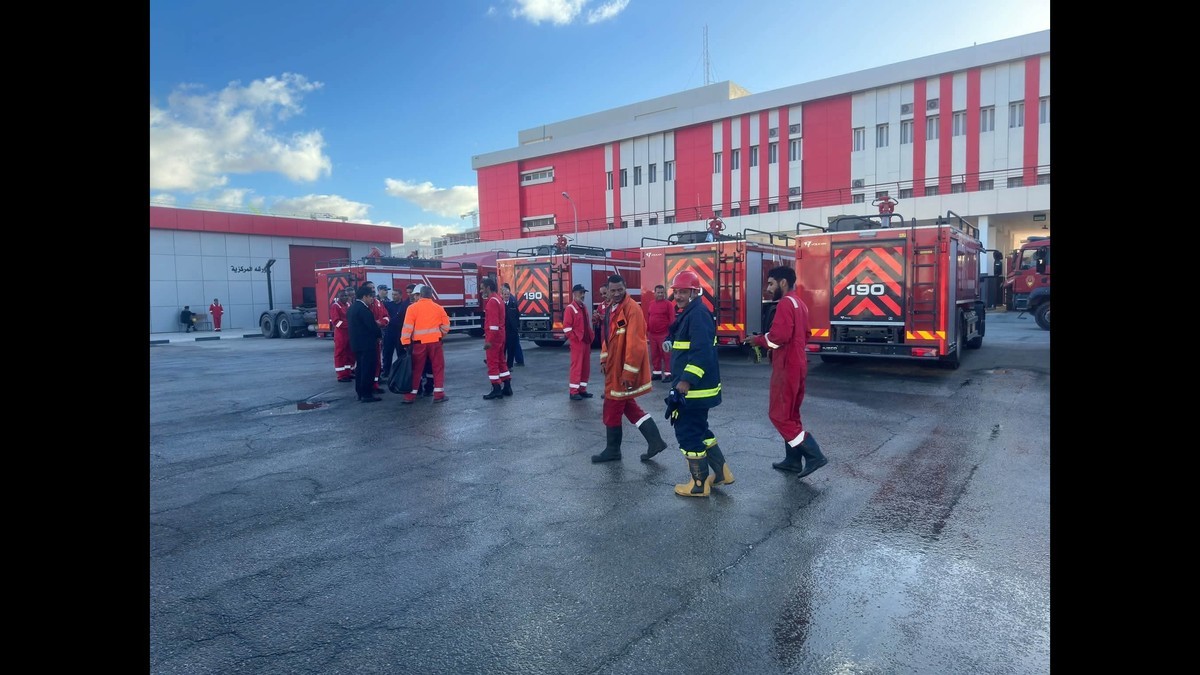
Folks, a Russian warship burned in a Libyan port before dawn, and by mid-afternoon the accounts of what happened did not agree. One day earlier, a Russian cargo ship was struck in the Baltic. Both are real. Neither is solved.
A Russian Corvette Burns in Benghazi, a Day After a Russian Ship Burned in the Baltic
Benghazi, Libya — The explosions came before dawn on Sunday, November 22, 2026, at the naval base in Benghazi, in eastern Libya. Residents heard them. The fire burned. By afternoon the official account and the military account had split, Moscow had said nothing, and nobody had claimed a thing.
The Fire at the Naval Base
The first blasts hit at about 3:00 a.m. local time at the naval base in Benghazi, in eastern Libya. Benghazi's civil defence service delivered its statement through the Benghazi-based channel Al-Masar TV: "We are currently dealing with an explosion at an ammunition depot at the Benghazi naval base." It added: "We assure citizens that there is no need to worry and we urge them not to gather until the fire is completely under control." Tawfiq al-Shamekh, head of media at the National Safety Authority in the eastern region, told the Libyan outlet Al-Wasat that its teams had brought the situation under control and put the fire out, and that the causes would depend on a report by specialist experts. Residents quoted by the Libyan outlet Ean Libya said they heard three loud blasts near the port, followed by flames and flying fragments, and that nearby houses shook. Some described aircraft overhead and heavy anti-aircraft fire afterwards, The Insight International reported.
Gunfire After the Blasts, and No Word From Haftar
What followed the explosions was its own kind of chaos. Armed groups loyal to Khalifa Haftar opened fire into the night sky with anti-aircraft missiles and heavy weaponry, according to local accounts reported by the Libya Observer, and eyewitnesses described plumes of smoke, bright flashes and heavy tracer fire over the port as secondary explosions continued for several minutes. No official casualty figure had been released by midday. A statement circulated in Benghazi said officers and soldiers at the base were safe and that preliminary investigation teams had started work, according to Ean Libya. Local sources cited by the same outlet said several guards had been injured, but that could not be confirmed. Haftar's General Command, which controls eastern Libya, along with the port administration and the eastern government, had issued no statement on what happened by Sunday afternoon, The Insight International reported.
The Ship an Analyst Names
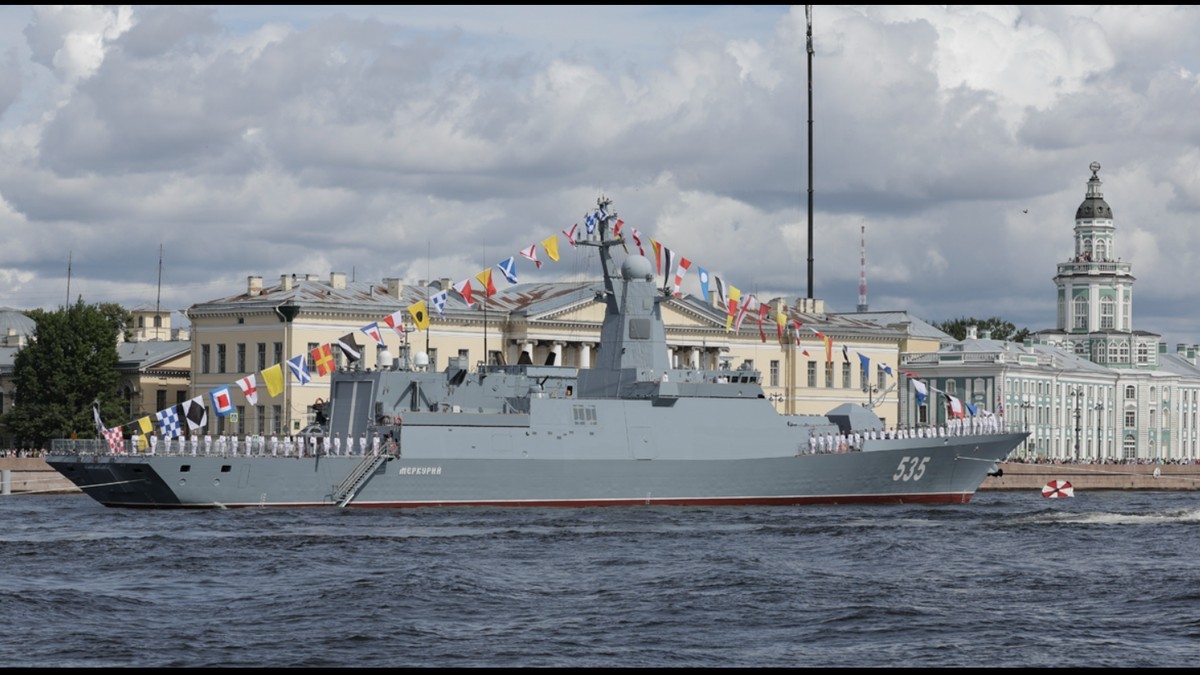
Naval analyst H I Sutton, published by Naval News on Sunday, reported that a Russian Navy missile corvette caught fire after a large explosion in the port and is "almost certainly destroyed." He provisionally identified the warship as the Merkury, a Project 20380 Steregushchiy-class corvette that had been in Benghazi for several days before the blast. Flames engulfed it, and it is still unclear whether it sank at its berth or burned out. Several sources confirmed the incident, Sutton wrote, and the Merkury "can be seen on fire in multiple satellite images" shared with him. Those images have not been made public. Defence Blog said it could not independently verify the ship's identity or the extent of the damage. The corvette is 104.5 metres long, has room for a crew of about 90 and carries a 100 mm gun, anti-ship missiles and torpedoes. Russia's Navy accepted it into service in 2023.
Two Accounts That Do Not Meet
Here is where the record splits. The Libya Observer, citing military sources, reported that "unidentified aircraft struck and destroyed multiple ammunition depots inside the Benghazi Naval Base early Sunday morning, according to military sources, though media outlets aligned with eastern warlord Khalifa Haftar have attributed the blasts to an accident." The same outlet said military sources maintained the depots were hit in an aerial raid, while outlets affiliated with Haftar's forces acknowledged the explosions but dismissed claims of an attack, calling the blasts accidental. Residents across the coastal city reported waking to the sound of aircraft overhead, immediately followed by a series of powerful detonations from the naval facility, the same outlet reported. So two accounts stand side by side. Civil defence describes an ammunition depot explosion and leaves the cause to experts. Military sources describe an aerial raid. Haftar-aligned outlets describe an accident. Neither account has been independently confirmed.
Nobody Has Claimed It
Look at the attribution line, because it matters more than the fire. No party has claimed responsibility, and neither the account of a strike nor the source of any aircraft has been independently confirmed, The Insight International reported. Russia has not commented. Neither Moscow nor Kyiv has commented, Clash Report reported. A Libyan source in Benghazi told the Italian news agency Agenzia Nova that he suspected a drone attack on a Russian military ship or its cargo, and attributed it to Ukraine, but offered no evidence. The same report mentioned unconfirmed talk of Egyptian involvement, Clash Report reported. That is the whole of the public attribution record: one unnamed source, a suspicion, no evidence and no claim. Some social media accounts say the ship sank. That is unverified.
A Day Earlier, Far to the North
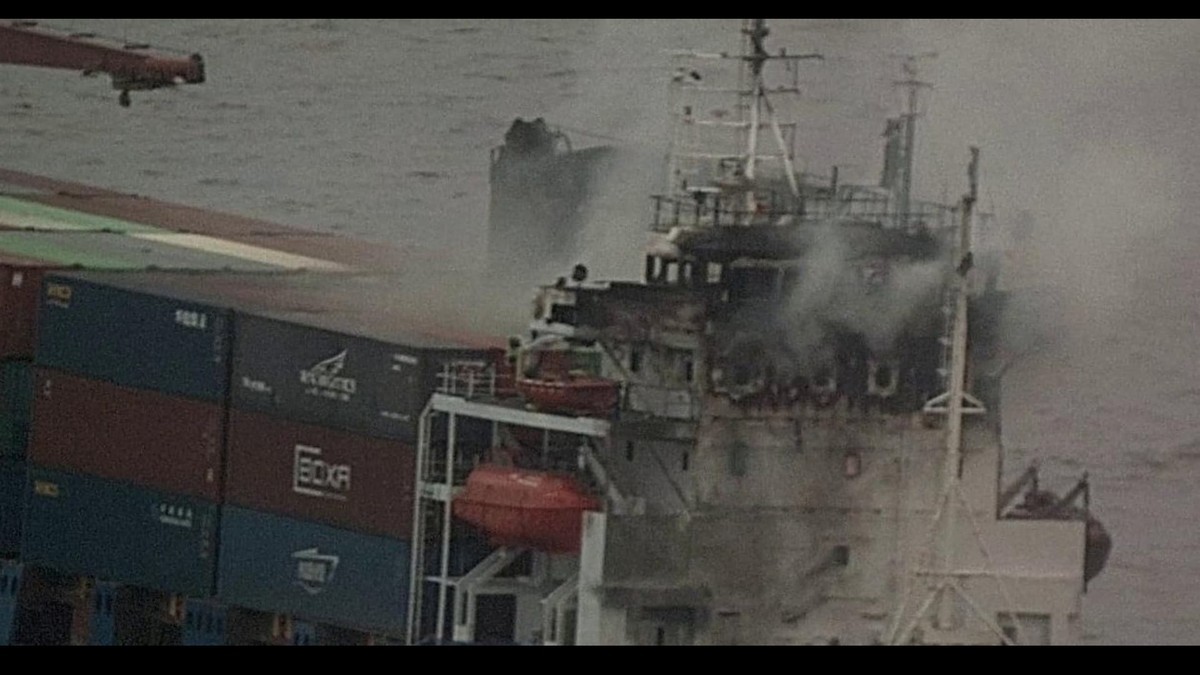
Now go north, and go back one day. The Russian RoRo cargo ship Sparta II, bound for Kaliningrad, was struck by drones on Saturday while sailing in the eastern Gulf of Finland. Russian officials said two drones hit it in international waters about three nautical miles from the Russian border, according to Leningrad region governor Alexander Drozdenko. The attack came at around 0840 to 0850 local Finnish time, The Maritime Executive reported, and the vessel was disabled, drifting into the Finnish zone before anchoring about 12 miles off the coast. Finland's Ministry of Defence confirmed it detected a drone attack, and armed forces spokesperson Aki-Mauri Huhtinen said it is likely Ukraine is behind it. Pictures showed the bridge burnt out and a fire in at least one container. All 16 crew abandoned ship and transferred to another Russian cargo vessel, Militarnyi reported. Sparta II is owned by Oboronlogistics, which provides logistics services to the Russian Ministry of Defence, and the United States sanctioned it in May 2022.
Why Benghazi Matters to Moscow
Russia has built a military presence in eastern Libya through its ties with Haftar, using air bases and ports under his control as a hub for operations in the Mediterranean and Africa, according to The Insight International. That is what makes a burning corvette in Benghazi more than a ship on fire. Clash Report noted that, if confirmed, the strike would be one of Ukraine's most distant blows against a Russian warship, thousands of kilometers from its borders, and could complicate Russia's logistics chain to Africa and its hopes of a lasting Mediterranean naval presence. The Merkury is nominally part of the Black Sea Fleet, but because of the war in the Black Sea it has been operating from Northern Fleet bases in the Arctic. In Benghazi it was escorting a convoy of Russian government-linked ships that carry arms exports.
The Pattern in the Mediterranean
This is not the first fire in these waters. On December 23, 2024, the Russian government-linked ship Ursa Major was sunk, likely by limpet mines, according to a Naval News report relayed by Defence Blog. On March 3, 2026, the LNG tanker Arctic Metagaz was destroyed off the Libyan coast, likely by uncrewed surface vessels, the BBC reported. Russia's transport ministry blamed Ukrainian sea drones launched from the Libyan coast, and Vladimir Putin called the attack "a terrorist attack" that "exacerbates the situation on global energy markets, including gas markets." Russia's Investigative Committee opened a criminal case under legislation covering international terrorism, and all 30 crew were rescued, two of them with serious burns treated in Benghazi before being flown to Russia. Then came June, when Ukrainian drones badly damaged the Boikiy, the Merkury's sister ship, in a drydock at Kronstadt near St Petersburg.
What Is Not Established
Be precise about the gaps, because they are doing a lot of work. Nobody has claimed the Benghazi blast. No government has attributed it. The only attribution is a single unnamed Libyan source speaking to Agenzia Nova without evidence. Whether the ship sank at its berth or burned out is unknown. No casualty figure has been released, and reports of injured guards are unconfirmed. No official body has linked the blast to aircraft. The ammunition-depot account is the official account, not a disproven one, and the military sources quoted by the Libya Observer give a different one. Egypt's involvement is unconfirmed talk only. The Merkury identification is a provisional assessment by one analyst, from satellite imagery nobody outside his sources has seen, and Moscow has not confirmed it. Nothing in the public record links Benghazi to the Baltic.
What Comes Next
Watch three things. First, the specialists. The National Safety Authority said the causes would depend on a report by specialist experts. That report is the official path to an answer and it has not arrived. Second, the silence. Haftar's General Command, the port administration and the eastern government had said nothing by Sunday afternoon, and Moscow still had not said a word about Benghazi. Third, the wider file. Libya has been divided since 2011 between the UN-recognized Government of National Unity in Tripoli under Prime Minister Abdulhamid Dbeibah and a rival administration in the east backed by Haftar, and it has been under a UN Security Council arms embargo since 2011, with weapons stores spread across the country. The two camps have clashed this month over flights and parliament sessions. Egypt hosted Dbeibah in Cairo this week and signed several agreements with his government.
By Jessica Ali, Staff Writer
This article was produced with AI-assisted research and editorial support. Sources: Naval News, Defence Blog, Clash Report, The Insight International, Libya Observer, Daily News Egypt Africa, Ean Libya, Al-Wasat, Al-Masar TV, Anadolu Agency, Agenzia Nova, The Maritime Executive, Channel NewsAsia, Militarnyi, BBC, Associated Press and Ahram Online. Photographs: National Safety Authority, eastern Libya (lead image); Russian Ministry of Defence via Wikimedia Commons, CC BY 4.0; Finnish Border Guard via Reuters.
What's Your Reaction?
 Like
0
 Dislike
0
 Love
0
 Funny
0
 Wow
0
 Sad
0
 Angry
0

Editor-in-Chief at Global1.News. Atlanta-based journalist who cuts through the BS and tells it like it is. Lead anchor, host, and the voice you hear when the spin stops and the truth starts.













Comments (0)