
Japan to Cull 80,000 Hens in Aichi as Bird Flu Spreads Toward Peak Egg Season
Aichi Prefecture confirmed highly pathogenic bird flu at an egg-laying farm in Toyohashi, Japan's third case of the season, with a plan to cull about 80,000 hens and shipment limits on 32 nearby farms.
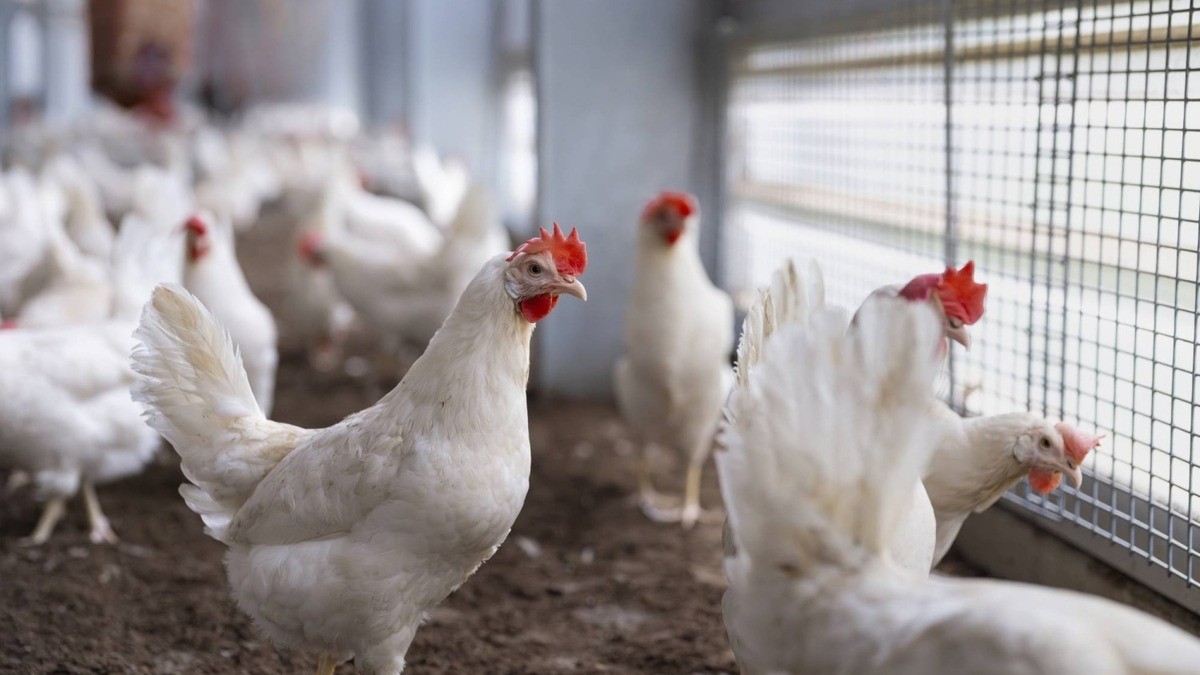
Folks, the call came in at 11:55 on a Sunday morning, and it was the sentence every poultry prefecture in Japan dreads: too many of the chickens were dying. By Monday morning, Aichi Prefecture had a confirmed case of highly pathogenic avian influenza at an egg-laying farm in Toyohashi, a plan to kill eighty thousand hens, and a shipment ban covering nearly 2.8 million birds on thirty-two neighboring farms. It is Japan's third case of the season, in the third prefecture in eleven days. And it has landed with the country's egg prices already sitting at the highest level ever recorded.
Japan to Cull 80,000 Hens in Aichi as Bird Flu Spreads Toward Peak Egg Season
Toyohashi, Japan — Aichi Prefecture said on Sunday evening that it had confirmed a suspected case of the disease at a farm keeping about 80,000 egg-laying hens, and by Monday morning the national agriculture ministry had confirmed the designation that triggers culling under Japanese law.
A Phone Call at 11:55, and a Verdict Before Breakfast
The timeline is in the prefecture's own releases, and it is short. At around 11:55 a.m. on Sunday, the farm telephoned the Eastern Mikawa Livestock Hygiene Service Centre in Toyohashi to report that its chickens were dying in rising numbers. Staff went out, inspected the flock and ordered the farm to halt all movement of its birds, disinfect at every doorway and keep every outsider off the site. Rapid tests on dead birds came back positive — three of the eight carcasses sampled and one of two chickens sampled nearby.
Samples went to the Central Livestock Hygiene Service Centre in Okazaki for gene testing, which detected virus genes consistent with the highly pathogenic form. Those results went to the Ministry of Agriculture, Forestry and Fisheries, and on Monday the case was confirmed as a suspected affected animal — the legal category that authorizes slaughter. Aichi convened its emergency disease meeting at 9:30 a.m. on a public holiday, chaired by Governor Hideaki Ōmura with three vice governors and the relevant bureau chiefs in the room.
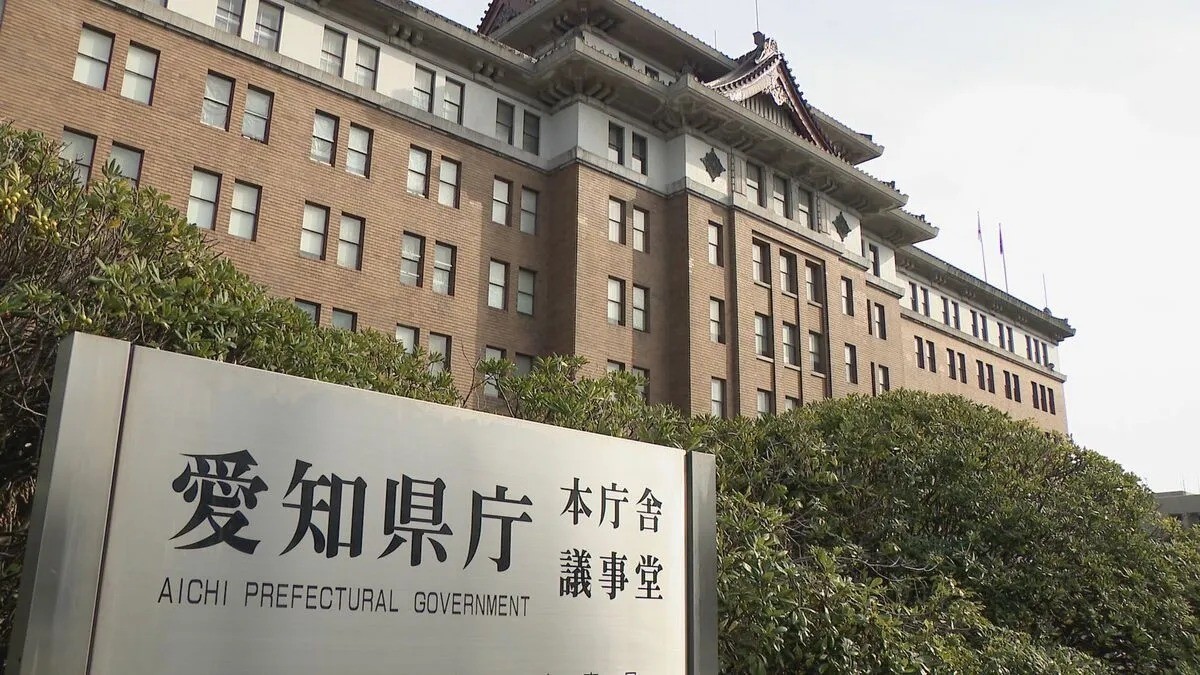
Eighty Thousand Hens, and 2.78 Million More Under Restriction
The culling plan covers the roughly 80,000 laying hens on the affected farm. Around it, the prefecture has drawn two rings. Inside three kilometers, three farms holding about 30,000 birds are under a movement restriction, meaning no chickens may be moved. Between three and ten kilometers, thirty-two farms holding about 2.78 million birds are under a shipment restriction — the eggs and the birds stay where they are.
Both counts are preliminary. The Ministry of the Environment simultaneously designated the ten-kilometer radius a wild-bird monitoring priority zone, which pulls parts of Toyohashi and neighboring Tahara into patrol routes for dead or sick wild birds. The Environment Ministry's national response level now stands at Level 3, the setting it uses when outbreaks are confirmed in more than one place in the country. Aichi also asked news organizations to stay off the farm and to keep helicopters and drones away, warning that both obstruct the disease work.
Why Aichi Is the Wrong Place for This to Land
Aichi is not a marginal poultry prefecture. It has Japan's largest number of egg-laying farms — 108 of them — and ranks fourth nationally for hen numbers, at roughly 6.35 million birds as of 2023, according to the prefectural government. Toyohashi sits at the eastern end of the prefecture, next to Tahara, where the new wild-bird zone also reaches.
The prefecture has been here before, and recently. Its last confirmed case came in January 2025, when infection was found at a farm in Tokoname; by the middle of that month, six farms in the city, all of them raising laying hens, had been hit. Aichi's farmers had disinfected sheds that December as a precaution, and an official at the Japan Agricultural Cooperatives' Aichi economic federation told The Mainichi Shimbun then: "We must stop the further spread at any cost." Nearly two years later, the same emergency machinery is running again.
Eleven Days, Three Prefectures
Kyoto went first. A farm in Kameoka City reported rising deaths on 11 November, tested positive the same day and was confirmed on the 12th, with 14 birds already dead. The prefecture ordered roughly 200,000 hens destroyed and restricted seven farms within ten kilometers. Culling finished on the 16th, at about 184,000 birds once the flock was counted properly.
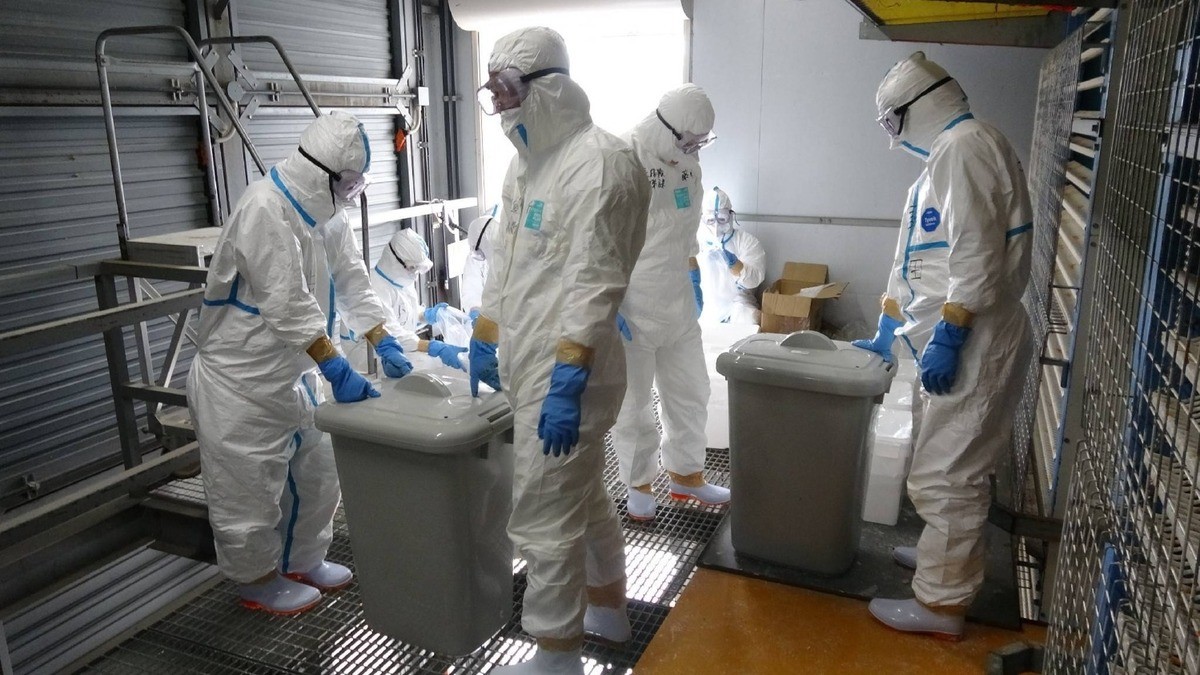
Chiba went the next day. A farm in Asahi City was confirmed on the 13th, and about 41,500 birds were destroyed. Aichi is the third. Arata Takebe, the agriculture minister, told reporters that outbreaks in different regions on two consecutive days showed the virus had entered the country as a whole, and that an outbreak could now happen anywhere. "We ask each farm to carry out early detection, ensure early notification and implement thorough hygiene management," he said. The first two cases together accounted for about 240,000 birds out of a national flock of 138.6 million — 0.17 percent, as the ministry put it.
H5N9, and What Has Not Been Named Yet
The subtype named in the two confirmed Japanese cases this season is H5N9. The poultry trade publication Poultrymed, citing the agriculture ministry, reports that the National Agriculture and Food Research Organization sequenced the Kameoka virus on 18 November and identified it as a highly pathogenic H5N9 strain, and that laboratory testing found the same subtype at the Chiba farm.
Hong Kong's Centre for Food Safety, which acts on the same notifications, described the Japanese outbreaks only as highly pathogenic H5, without naming the neuraminidase. The distinction matters more to virologists than to shoppers, but it is not a Japanese quirk: Hong Kong suspended poultry imports from two South Korean counties this month after H5N9 was reported there. Aichi's own subtype has not been published, and the national reference laboratory has not yet reported its characterization of this farm's virus.
The Egg on the Shelf Says ¥312
Here is where the story stops being about chickens. The agriculture ministry's food price trend survey, published on 27 October, put the national average retail price of a ten-egg pack at ¥312. That is the highest figure recorded since the survey began in August 2003.
Takebe has been careful about the cause. On 10 November he told reporters that, on the supply side, the sector is still recovering from last season's bird flu, while on the demand side inquiries are strengthening ahead of the year-end season when egg demand climbs. Both are pushing retail prices up, in his account. Three days later he declined to forecast where prices go from here, saying only that it is difficult to say anything with certainty and that the ministry will keep watching demand and prices. What he did commit to was containment. "We'll thoroughly implement measures to prevent a spread (of bird flu) so as not to affect supply and demand," he said.
What Last Season Already Cost
Last season was not a mild one. Japan culled 5.52 million birds across 23 outbreaks in the 2025-26 season, the fourth-highest single-season total on record, according to The Japan News. The pattern inside those numbers is the part that worries the industry: eight of the 23 affected sites — 35 percent — had been hit before, and two of them for the third time. Wild birds getting into sheds is the recurring failure, and The Japan News's account is that netting subsidies have not solved it.
The United States Department of Agriculture's attaché report on Japanese poultry puts the 2025 winter culls at 5.8 million birds, mostly laying hens, and calls them minor. For scale on what a bad year looks like, look back to spring 2023, when the benchmark wholesale price for medium eggs hit ¥340 to ¥360 a kilogram in Tokyo, Osaka, Nagoya and Fukuoka. That is a different measure from the ¥312 retail pack, and it ran far higher.
The Birds in the Wild Got There First
None of this arrived out of nowhere. On 6 November, surveys by the Environment Ministry and others reported H5-subtype highly pathogenic virus in dead wild birds at Yurihonjo in Akita Prefecture and at Otofuke in Hokkaido, and in water collected at a waterbird roost in Izumi, Kagoshima Prefecture. That was seventeen days before the Aichi confirmation, and at that point no poultry farm in Japan had a case this season.
The wild-bird signal kept coming. At Izumi, dead hooded cranes turned up one after another and two subtypes were found in the water, according to Kyodo News. In Miyazaki Prefecture, the virus was found in a dead duck at Nobeoka and in dead wild birds there, and the prefecture has put its farms on alert. Sheds are where the virus lands, and the ministry has been pushing netting and boot-wash discipline at farms since the start of the month.
Hong Kong Has Already Closed Two Doors
Hong Kong is one of the buyers that moves fastest. Its Centre for Food Safety suspended imports of poultry meat and products, eggs included, from Kyoto Prefecture on 13 November, and from Chiba Prefecture on the 16th. Its releases cite a notification from the Japanese agriculture ministry each time, and the suspension is drawn by prefecture rather than by country.
The numbers behind that decision are worth holding. Hong Kong imported about 1,030 tonnes of frozen poultry meat and about 249.94 million poultry eggs from Japan in the first nine months of 2026. Against Japan's national egg output of about 2.45 million tonnes in 2025, exports are a small share of the whole, but the market is a dependable one. The centre's most recent suspension notice, dated 19 November, covered Norway, the United Kingdom and the Netherlands, and its published index showed no notice naming Aichi as of Monday morning in Japan. That can change with one press release.
What the Government Wants You to Know About Breakfast
Both Aichi's release and the ministry's messaging carry the same food-safety line, and it is the one worth repeating: under conditions in Japan, eating chicken meat or eggs is not considered a route by which a person can be infected with avian influenza virus. The Food Safety Commission is cited for that. The prefecture has also asked residents not to be thrown by unfounded rumors, the same appeal Kyoto's governor, Takatoshi Nishiwaki, made when his prefecture's outbreak was confirmed.
What to watch now is narrower than the headlines suggest. Whether the national laboratory confirms the Aichi strain and names it. Whether the culling is completed on schedule. Whether shipments resume from those thirty-two farms. Whether Hong Kong adds Aichi to its list. And in the next monthly food price survey, whether it was enough to move a number that is already at a record.
By Jessica Ali, Staff Writer
This article was produced with AI-assisted research and editorial support. Sources: Aichi Prefecture, including its releases of 22 and 23 November 2026 and its wild-bird response page; the Ministry of Agriculture, Forestry and Fisheries, including press conferences by Minister Arata Takebe on 10 and 13 November 2026; the Ministry of the Environment as reported by Aichi Prefecture; Kyoto Prefecture; Kyodo News via 47News and Tokyo Dispatch; The Mainichi Shimbun; The Japan Times, with Reuters and Jiji Press; The Japan News (The Yomiuri Shimbun); Poultrymed, citing the agriculture ministry; the USDA Foreign Agricultural Service; and the Centre for Food Safety of the Hong Kong Food and Environmental Hygiene Department. Photographs: CBC Television; Kyoto Prefecture via Jiji Press; Getty Images via The Japan Times. The social cover card is a Global 1 News editorial image produced in-house.
What's Your Reaction?
 Like
0
 Dislike
0
 Love
0
 Funny
0
 Wow
0
 Sad
0
 Angry
0

Editor-in-Chief at Global1.News. Atlanta-based journalist who cuts through the BS and tells it like it is. Lead anchor, host, and the voice you hear when the spin stops and the truth starts.













Comments (0)