
Quebec Government Pushes Energy Drink Ban for Under-16s
Quebec Government Pushes Energy Drink Ban for Under-16s Quebec's health minister plans to introduce legislation restricting energy drink sales to those under 16 years old. The measure follows the 2024 death of 15-year-old Zachary Miron and has drawn support from multiple parties and community groups. A single member of the National Assembly, however, holds the power to prevent
Quebec Government Pushes Energy Drink Ban for Under-16s
Quebec's health minister plans to introduce legislation restricting energy drink sales to those under 16 years old. The measure follows the 2024 death of 15-year-old Zachary Miron and has drawn support from multiple parties and community groups. A single member of the National Assembly, however, holds the power to prevent swift passage before the June 12 recess.
Tags: Quebec energy drinks ban, teens under 16, Maïté Blanchette Vézina, Zachary Miron, Christine Fréchette, National Assembly, Ruba Ghazal, health policy, Canadian Beverages Association, Familiprix
The Story Behind the Bill
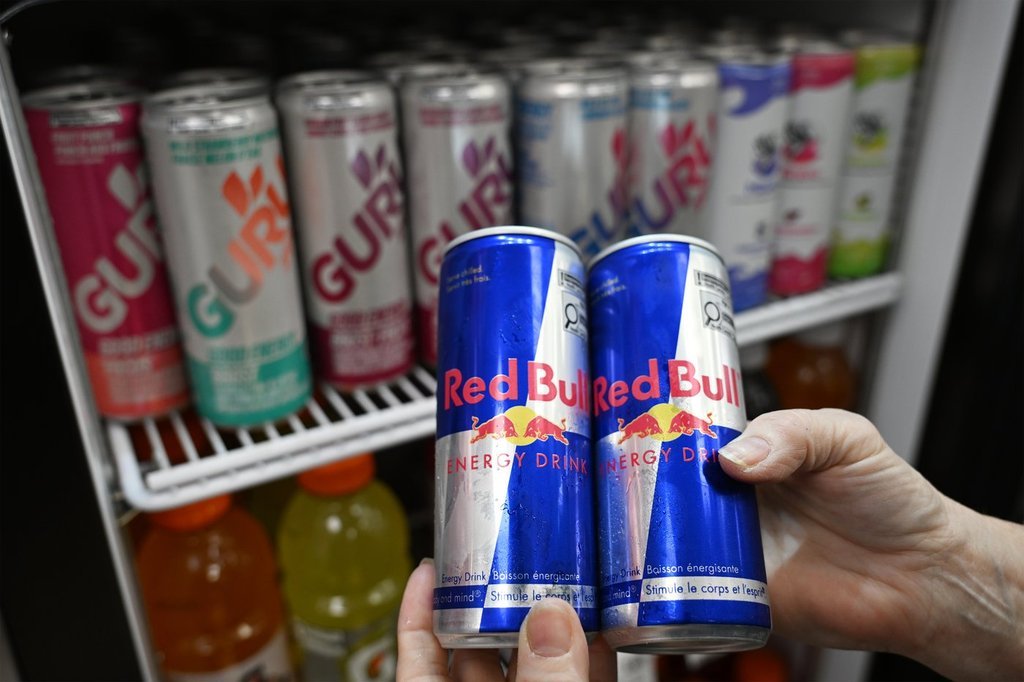
The proposed restrictions gained urgency after a coroner's report linked the death of 15-year-old Zachary Miron to the combination of his ADHD medication and caffeine from a can of Red Bull. The coroner determined that the interaction likely caused an arrhythmia that proved fatal. Health officials have since highlighted similar risks for other adolescents who consume high-caffeine beverages while taking certain prescriptions. Calls for a ban on sales to those under 16 grew substantially in the wake of the tragedy, with public health advocates arguing that the risks of energy drinks for young people are poorly understood by many families.
Political Dynamics in the National Assembly
Maïté Blanchette Vézina, the sole Conservative member of the National Assembly, stated she will not grant unanimous consent to fast-track the bill before the legislature rises on June 12. Premier Christine Fréchette has indicated a desire to advance multiple pieces of legislation before that date but requires cross-party agreement. Blanchette Vézina noted that energy drinks represent only 11 per cent of teen caffeine intake according to Canadian Beverages Association data and compared the issue to grapefruit-medication interactions. "My mother and other people take medicines that interact with grapefruit," she told reporters Thursday. "Are we going to ban grapefruit? No." She added that she is not opposed to a ban in principle but believes further debate should occur after the October 5 general election.
Arguments For and Against Immediate Action
Supporters of prompt adoption point to the coroner's findings and the preventable nature of the risk. Québec Solidaire co-spokesperson Ruba Ghazal described the Conservative stance as "heartless" and called on Blanchette Vézina to meet personally with Miron's parents to understand the human consequences of delay. The Quebec Liberals and the Parti Québécois have also voiced their support for legislation to crack down on energy drink sales to minors.
Opponents, led by Blanchette Vézina, emphasise the need for measured consideration. They argue that a hastily drafted ban could have unintended consequences and that the fall sitting would allow time for thorough review with input from health professionals, educators, and industry representatives. With a general election scheduled by October 5, the composition of the next National Assembly could shift the political calculus on the issue entirely.
Support from Quebec Society
The measure has received backing from parents, teachers, schools, school boards, public health associations and several junior sports leagues across the province. The Ordre des pharmaciens du Québec — the provincial order of pharmacists — endorsed restrictions for those aged 16 and over, prompting the Familiprix pharmacy chain to remove energy drinks from its shelves last month. The pharmacy sector's proactive response signals that the industry itself anticipates regulatory changes and is preparing for tighter controls.
Canadian Health Policy Context
Quebec's initiative occurs within Canada's broader framework of shared federal and provincial responsibility for health and consumer protection. While food and drug labelling standards fall under federal jurisdiction, provinces have authority over point-of-sale restrictions and age-based sales prohibitions. Similar discussions about youth access to high-caffeine products have taken place in Ontario and British Columbia, though no other province has yet advanced legislation as far as Quebec.
Energy drinks represent a particular challenge because they are marketed to adolescents and young adults while containing caffeine levels that can exceed those of coffee by volume. The Canadian Beverages Association, a lobby group representing manufacturers, has pushed back against what it describes as a disproportionate focus on one product category. However, public health advocates counter that the concentrated formulation of energy drinks, combined with marketing targeting teenagers, justifies specific regulatory attention.
What Happens Next
Without unanimous consent, the bill cannot advance before the June 12 recess. Blanchette Vézina has indicated openness to the policy in principle but prefers continued debate in the fall sitting after the general election. The outcome will depend on the composition of the next National Assembly. If public support for the measure continues to build, the incoming government — regardless of which party forms it — may face pressure to take action quickly.
For families like the Mirons, the legislative timeline represents a painful wait. Advocates have urged all parties to find a way to advance the bill before the recess, even if that means accepting amendments that address Blanchette Vézina's concerns. As the June 12 deadline approaches, the question remains whether political consensus can overcome procedural barriers.
By Alex Thompson, Staff Writer
This article was produced with AI-assisted research and editorial support. Reporting is based on sources cited in the article.
What's Your Reaction?
 Like
0
Like
0
 Dislike
0
Dislike
0
 Love
0
Love
0
 Funny
0
Funny
0
 Wow
0
Wow
0
 Sad
0
Sad
0
 Angry
0
Angry
0

Canada Correspondent at Global1.News. Based in Toronto, covering Canadian politics, energy, trade, and US-Canada relations. Provides the Canadian perspective on North American and global affairs.













Comments (0)