
NSFAS 2027 applications are free. If someone asks you to pay, it’s a scam
October 2026 finds South Africa’s student community at a critical crossroads. The National Student Financial Aid Scheme (NSFAS) has opened its 2027 application window, but the excitement is being shadowed by a wave of scams that promise “fast‑track” assistance for a fee.
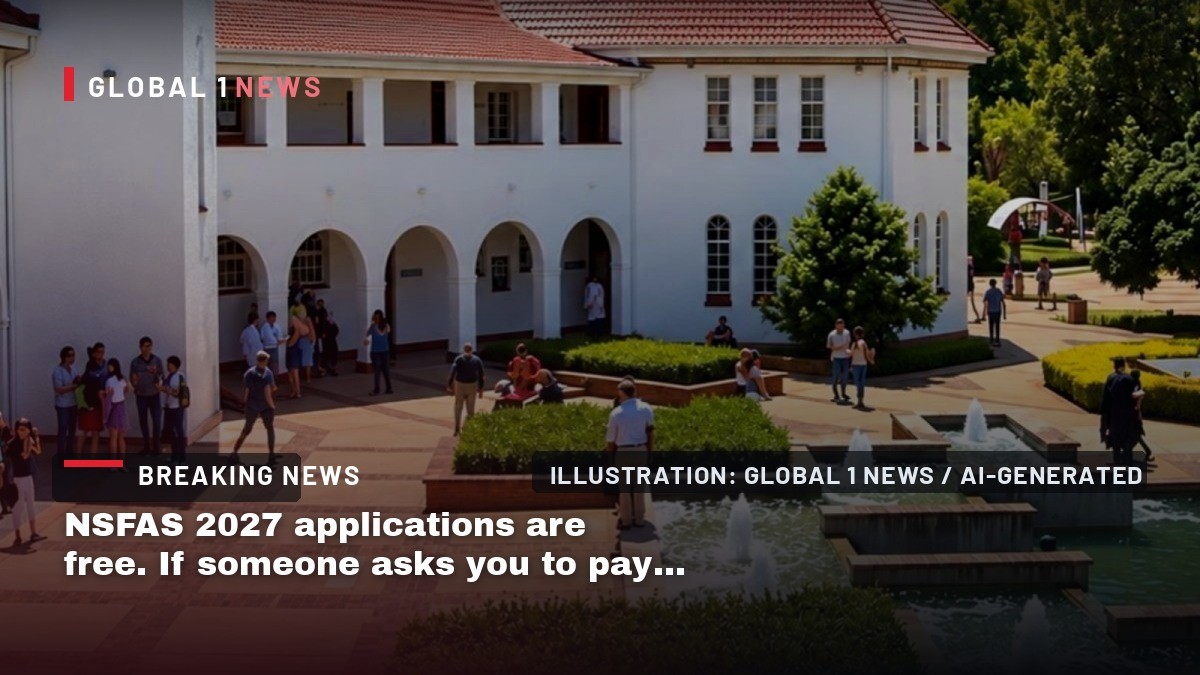
October 2026 finds South Africa’s student community at a critical crossroads. The National Student Financial Aid Scheme (NSFAS) has opened its 2027 application window, but the excitement is being shadowed by a wave of scams that promise “fast‑track” assistance for a fee. The government’s warning on X – that the application is free and that any request for payment is a fraud – has resonated across campuses from the University of the Witwatersrand to the TVET colleges of the Eastern Cape. For many learners, especially those from low‑income households, NSFAS remains the lifeline that can turn a dream of a degree or a diploma into reality. This article breaks down what the scheme offers, who qualifies, how to apply safely, and why the deadline of 31 October is non‑negotiable.
Why the NSFAS message matters now
The government’s recent X post on 14 October made it crystal clear: “Your NSFAS application is free. Keep your myNSFAS password and OTP to yourself, and never pay anyone to apply on your behalf.” The urgency stems from a surge in fraudulent operators exploiting desperate students, promising to “submit” applications for a charge. Such scams not only drain already strained finances but also jeopardise the very funding they claim to secure. In a country where the combined gross household income threshold for eligibility sits at R350 000 a year – and R600 000 for students with disabilities – any loss of funds can be catastrophic. The warning is not just about money; it’s about safeguarding the integrity of the application process and ensuring that deserving learners are not sidelined by fraudsters.
Beyond the immediate financial risk, the warning underscores a broader issue: the importance of digital hygiene in an era where one shared password can cost a student their entire bursary. NSFAS’s dedicated fraud hotline, dubbed “Vuvuzela,” and the SMS “Call‑back” service (30916) are concrete tools for students to report suspicious activity. By amplifying these channels, the government is empowering learners to act as their own first line of defence, a stance that resonates with the self‑reliance ethos celebrated in South African sport – think of the grit shown by the Springboks on the world stage.
Understanding who qualifies for NSFAS 2027
NSFAS funding is earmarked for students at public universities and technical and vocational education and training (TVET) colleges. The core eligibility criterion is a combined gross household income of R350 000 or less per year. This figure represents income before tax and other deductions, ensuring that the assessment captures the full financial picture of a household. For learners with disabilities, the threshold is raised to R600 000, reflecting a recognition of the additional costs they may face.
These income limits are designed to target those most in need, aligning with the scheme’s historic role in widening access to higher education. While the exact number of applicants each year fluctuates, the budget remains limited, meaning that the pool of eligible students competes for a finite amount of funding. This competitive environment mirrors the high‑stakes nature of South African sport, where limited spots on a national team drive athletes to give their utmost. For students, the stakes are equally high – a place at university or a TVET college often hinges on securing NSFAS support.
How to apply without falling into a trap
The application process is straightforward but must be undertaken through official channels only: the NSFAS website, the myNSFAS portal, or the NSFAS app. Applicants should never share their myNSFAS password or one‑time PIN (OTP) with anyone, no matter how trustworthy the individual may appear. The government’s warning specifically calls out “fast‑track” offers as non‑existent; there is no legitimate service that can accelerate the review of an application for a fee.
Once the online form is completed, students must upload the required documents and, crucially, confirm that the application has been submitted. NSFAS spokesperson Ishmael Mnisi reminded EWN that failing to hit the final “submit” button means the application never reaches the system, no matter how many documents have been uploaded. A simple oversight could therefore nullify months of preparation. After submission, students should keep a record of their confirmation and monitor their email for any further instructions from NSFAS.
Deadlines, extensions and the race against time
Applications opened on 18 September 2026 and close on 31 October 2026. Initially, Minister of Higher Education and Training Buti Manamela indicated a later deadline of 18 November 2026, but NSFAS has since confirmed that the 31 October cut‑off is final, with no extensions on the table. This firm stance reflects the scheme’s need to process applications promptly and allocate its limited budget before the academic year begins.
The call to apply early is not merely a suggestion; it is a strategic move to ensure that students’ documents are processed in time for the upcoming semester. Delaying until the last minute risks technical glitches, server overloads, or simple human error. Moreover, the number of applications received will directly influence how the available funds are distributed, making early submission a tactical advantage for any applicant.
What happens if you receive double funding?
Students must be vigilant about overlapping bursaries. If a learner secures another form of financial aid, they are required to inform NSFAS within 10 business days. Failure to do so can result in the cancellation of NSFAS funding and may even obligate the student to repay the amount already received. This policy safeguards the scheme’s resources and ensures that funds are directed to those without alternative support.
The requirement mirrors the broader principle of transparency that underpins South African sport governance – just as clubs must disclose player contracts and transfers, students must disclose additional funding sources. By maintaining clear records and communicating promptly with NSFAS, learners protect both their own financial standing and the integrity of the aid system.
Support avenues and where to get help
For any queries, NSFAS operates a toll‑free line at 0800 067 327 and maintains a comprehensive website at www.nsfas.org.za. The Vuvuzela fraud hotline (0860 247 653) and the SMS “Call‑back” service provide direct routes to report suspicious activity. These resources are critical for students navigating the application landscape, especially those who may lack experience with online forms or who are unfamiliar with the nuances of financial aid.
Universities and TVET colleges also play a supportive role, often hosting information sessions and offering on‑campus assistance. Student representatives, much like the captains of local rugby clubs, can act as first points of contact, guiding peers through the process and flagging any red‑flag offers they encounter. Leveraging these community networks can make the difference between a smooth application and a costly scam.
Why the NSFAS drive matters for South Africa’s future
Beyond the immediate relief for individual learners, NSFAS is a cornerstone of the nation’s transformation agenda. By enabling students from historically disadvantaged backgrounds to access higher education, the scheme contributes to building a more inclusive workforce – a goal echoed in the transformation narratives of South African sport, where representation on the field reflects broader societal change.
In the same way that the Springboks’ 2023 World Cup triumph united a nation, a successful NSFAS cycle can galvanise a generation of graduates ready to drive economic growth and social progress. Ensuring that every eligible student can apply safely, without falling prey to scams, is therefore not just an administrative task but a collective responsibility. As the 31 October deadline looms, the message from the government is clear: protect your password, steer clear of fee‑based promises, and get your application in on time. The future of South Africa’s talent pipeline – on the field, in the classroom, and beyond – depends on it.
This article was produced with AI-assisted research and editorial support. Reporting is based on the source material cited below. Sources: The South African; thesouthafrican.com; Global1.News (15 October 2026).
By Dante Williams, Staff Writer
What's Your Reaction?
 Like
0
Like
0
 Dislike
0
Dislike
0
 Love
0
Love
0
 Funny
0
Funny
0
 Wow
0
Wow
0
 Sad
0
Sad
0
 Angry
0
Angry
0

Breaking News and Investigations Correspondent at Global1.News. Based in London, covering global breaking news, security, and investigative stories. Known for digging deeper and connecting the dots across continents.













Comments (0)