
OpenAI stuck fighting Musk antitrust suit after Apple finds a way out
Elon Musk’s long‑running war with Apple over the integration of OpenAI’s ChatGPT into iPhone features has taken an unexpected turn. The shift, revealed in a recent court filing, signals a strategic recalibration that could reshape the antitrust battlelines in the AI and smartphone markets.
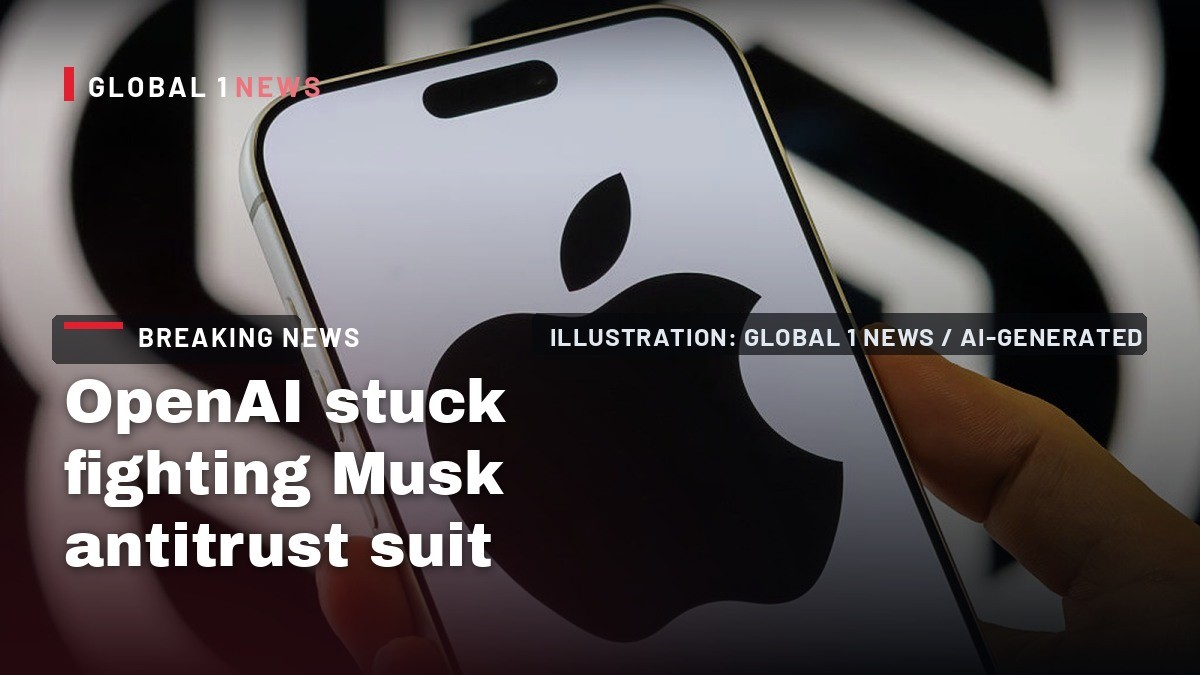
Elon Musk’s long‑running war with Apple over the integration of OpenAI’s ChatGPT into iPhone features has taken an unexpected turn. After years of public accusations, lawsuits and accusations of “creepy spyware,” Musk has now voluntarily dismissed his claims against Apple while keeping the fight alive against OpenAI. The shift, revealed in a recent court filing, signals a strategic recalibration that could reshape the antitrust battlelines in the AI and smartphone markets.
From “Creepy Spyware” to Antitrust Allegations
When Apple announced its partnership with OpenAI in 2024, Musk was quick to label the deal a conduit for “creepy spyware,” suggesting that OpenAI would gain unfettered access to user data on Apple devices. The criticism evolved the following year when Musk filed a lawsuit alleging that the partnership granted both firms a monopoly over AI prompts from Apple users, a claim he argued stifled competition in both the smartphone and chatbot arenas.
Central to Musk’s case was the belief that Apple was deliberately blocking his own chatbot, Grok, from climbing to the top of the App Store rankings. In August of last year, he asserted that Apple’s conduct made it “impossible for any AI company besides OpenAI to reach #1 in the App Store,” framing the behavior as an unequivocal antitrust violation. Those statements set the stage for a high‑stakes legal showdown that has now taken a surprising detour.
The Voluntary Dismissal: What It Means
On Monday, Musk confirmed in a court filing that he has resolved all claims against Apple. The filing does not disclose any settlement terms, leaving observers to speculate whether a private agreement was reached or whether Musk simply decided to withdraw for tactical reasons. What is clear is that Musk agreed to never raise the claims again against Apple, yet he expressly refused to drop the same allegations against OpenAI.
This selective dismissal suggests Musk may have extracted the information he needed from Apple. Earlier this summer, a court ordered Apple to hand over internal communications about the OpenAI deal. Those messages could provide Musk with the data needed to sharpen his arguments that OpenAI leveraged the partnership to monopolize the chatbot market—a claim he now appears poised to pursue more aggressively.
OpenAI’s Counterattack
OpenAI has consistently dismissed Musk’s accusations as harassment. In the wake of the lawsuit, the company mocked Musk’s “back‑of‑the‑envelope math,” which estimated that the OpenAI‑Apple deal could foreclose anywhere from zero to 55 percent of the chatbot market. OpenAI emphasized that Musk has not offered any concrete evidence to support that range, calling the figures baseless.
Beyond legal denials, OpenAI has hinted at dissatisfaction with the Apple integration itself. In May, an OpenAI executive told Bloomberg that the company felt “burned” by the partnership because Apple failed to promote the ChatGPT features effectively. The executive claimed that OpenAI had projected the deal could generate billions of dollars in annual subscriptions, yet Apple’s implementation made the chatbot functionality hard for users to discover, undermining the anticipated revenue stream.
The Procedural Hurdles Musk Faces
Musk’s antitrust case faces a procedural obstacle: both Apple and OpenAI argue that Musk does not compete in the smartphone market, and therefore lacks standing to sue over alleged monopolistic practices in that arena. Apple, in particular, warned that a Musk victory could set a precedent that any deal with a supplier could be deemed anticompetitive if rival proposals are rejected, a scenario Apple says would “devastate the tech industry.”
Earlier this year, Musk lost a separate lawsuit accusing OpenAI of abandoning its core mission to benefit humanity. The jury’s unanimous finding was that Musk waited too long to bring the suit, not that his substantive claims were invalid. That loss underscores the procedural challenges Musk must navigate as his antitrust case moves toward trial this fall.
Strategic Shifts and What Musk Might Be After
The timing of the dismissal aligns with Musk’s broader strategic interests. By shedding Apple as a defendant, Musk can concentrate his resources on a narrower target: OpenAI. The internal Apple communications obtained earlier this summer may give Musk a clearer picture of how the partnership was structured and whether OpenAI indeed used the deal to lock out competitors.
Given OpenAI’s own admission that it felt the Apple integration underperformed relative to expectations, Musk may argue that the company knowingly exploited the partnership to cement its market dominance while failing to deliver on promised benefits to users. If Musk can demonstrate that OpenAI’s actions effectively foreclosed a substantial portion of the chatbot market, the antitrust claim could gain traction despite the standing challenges.
Implications for the AI and Smartphone Ecosystem
Should Musk succeed in narrowing his case to focus solely on OpenAI, the outcome could still reverberate across the tech landscape. A finding that OpenAI abused a non‑exclusive partnership to monopolize the chatbot market would raise questions about how AI firms negotiate with platform owners and whether such deals need stricter regulatory scrutiny.
Moreover, the case highlights the tension between platform control and AI innovation. Apple’s integration of ChatGPT into iPhone features represents a growing trend of device makers embedding AI directly into their ecosystems. If courts begin to view such integrations as potential antitrust levers, platform owners may need to redesign how they collaborate with AI providers to avoid accusations of market foreclosure.
Looking Ahead: Trial Prospects and Market Fallout
As the litigation heads to trial this fall, the focus will shift from Apple’s role to OpenAI’s conduct. The court will likely examine the internal Apple messages, OpenAI’s internal expectations of revenue, and the technical design of the ChatGPT integration that allegedly made the feature “hard to discover.” Those facts will be pivotal in determining whether OpenAI’s actions rise to the level of antitrust violation.
Regardless of the trial’s outcome, the saga underscores how high‑profile tech disputes can evolve rapidly, with plaintiffs adjusting tactics based on new evidence and strategic considerations. Musk’s decision to drop Apple while keeping OpenAI on the docket reflects a calculated gamble that the latter is the more vulnerable target. For the industry, the case serves as a reminder that partnerships with platform giants are not immune to legal scrutiny, and that the balance of power between AI developers and device manufacturers remains a contested frontier.
This article was produced with AI-assisted research and editorial support. Reporting is based on the source material cited below. Sources: Ars Technica; arstechnica.com; Global1.News (15 September 2026).
By Jessica Ali, Staff Writer
What's Your Reaction?
 Like
0
Like
0
 Dislike
0
Dislike
0
 Love
0
Love
0
 Funny
0
Funny
0
 Wow
0
Wow
0
 Sad
0
Sad
0
 Angry
0
Angry
0

Editor-in-Chief at Global1.News. Atlanta-based journalist who cuts through the BS and tells it like it is. Lead anchor, host, and the voice you hear when the spin stops and the truth starts.














Comments (0)