
Flydubai co-pilot attacked pilot with axe in attempted 'terrorist attack', UAE says
On October 3, 2026, a dramatic incident unfolded aboard flydubai flight FZ1073, a commercial route from Dubai to Tel Aviv that was abruptly diverted after a co‑pilot launched an axe‑armed assault in the cockpit.
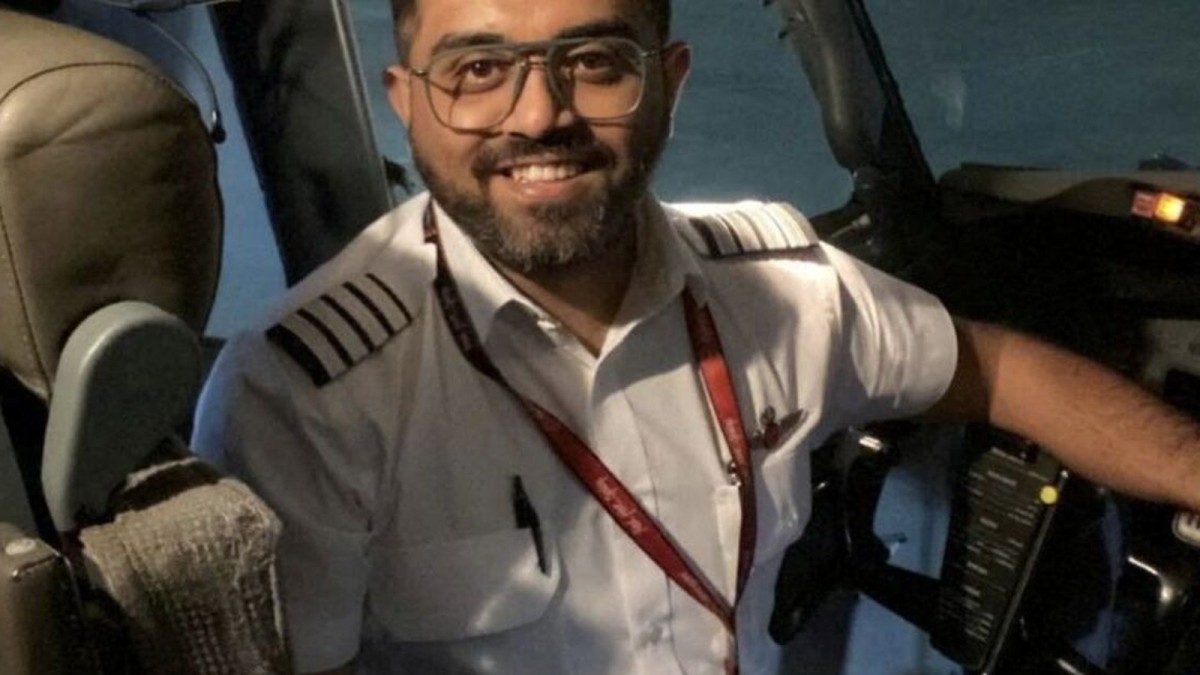
On October 3, 2026, a dramatic incident unfolded aboard flydubai flight FZ1073, a commercial route from Dubai to Tel Aviv that was abruptly diverted after a co‑pilot launched an axe‑armed assault in the cockpit. The episode, described by the United Arab Emirates’ prosecutor general as an attempted “terrorist attack,” was thwarted by passengers, crew and a reserve pilot, averting what could have become a catastrophic crash. The event has sparked a joint investigation by Emirati and Israeli authorities and raised fresh security concerns for the heavily trafficked air corridor linking the Gulf to Israel.
What happened in the cockpit
According to the UAE prosecutor general, Hamad Saif Al Shamsi, the co‑pilot, identified by a source as Hammam al‑Hammami, an Omani national, seized a crash axe—standard emergency equipment kept in the cockpit—and struck the captain. The assault was intended to wrest control of the aircraft, which was carrying more than 170 passengers and crew.
Passengers and crew quickly subdued al‑Hammami, preventing him from completing the maneuver. A reserve flydubai pilot who was travelling on the flight assumed command, stabilising the aircraft and guiding it to a safe landing at Tabuk airport in north‑western Saudi Arabia. Saudi authorities detained the suspect before he was transferred to Abu Dhabi for further questioning.
Immediate responses from the airlines and governments
flydubai, a carrier owned by the Dubai government, issued a brief statement that the circumstances surrounding the incident remained under investigation and that it could not comment further. Chief Executive Ghaith al Ghaith had earlier described the diversion as a “safety incident” inside the cockpit.
The UAE’s senior adviser to the president, Anwar Gargash, posted on X that the Gulf state maintains zero tolerance for terrorism and will show no leniency toward extremist rhetoric. The prosecutor general’s remarks marked the first official description of the episode as a terrorist act, signalling the seriousness with which Emirati authorities view the breach.
Israeli involvement and diplomatic sensitivities
Israeli officials confirmed their participation in the UAE‑led investigation, with an unnamed government representative indicating that Israeli investigators would join Emirati counterparts to assess the suspect’s motives and background. The exact Israeli agency involved was not disclosed.
Prime Minister Benjamin Netanyahu, speaking on the day of the incident, warned that any individuals or networks behind the attack would face a “heavy price.” He also noted that the co‑pilot appeared to have undergone radical Islamist indoctrination and described him as “clearly suicidal,” though he stressed that a definitive motive had yet to be established.
Omani nationality and regional implications
The identification of the co‑pilot as an Omani citizen adds a layer of complexity to the incident. Oman has not commented publicly, and Israel does not maintain official diplomatic relations with Oman. Netanyahu has previously stated that pilots from certain countries, including Oman, are not permitted to operate flights to Israel, raising questions about how al‑Hammami was assigned to a Tel Aviv‑bound flight.
The incident underscores the broader security challenges facing airlines that operate across the Middle East, where crews often hail from diverse national backgrounds. It also highlights the need for rigorous vetting processes, especially for routes that connect the Gulf with Israel, a corridor that has grown in importance following recent diplomatic normalisations.
Technical details of the flight disruption
Flight‑tracking data from Flightradar24 showed that the aircraft descended roughly 16,625 feet in just over 30 seconds while over Saudi airspace, a rapid loss of altitude that could have been catastrophic had the co‑pilot succeeded in taking control. The swift intervention by the reserve pilot and the rapid descent underscore the perilous nature of the attack.
The route from Dubai to Tel Aviv is among the most popular for Israeli travellers, reflecting the deepening economic and tourism ties between the United Arab Emirates and Israel since the Abraham Accords. Disruptions on this corridor could have broader economic repercussions, given the volume of business and leisure travel it supports.
Security measures and future safeguards
In the aftermath, both the UAE and Israel are likely to review cockpit security protocols, particularly the presence of emergency tools such as crash axes. While such equipment is essential for emergency evacuations, its potential misuse raises concerns that may prompt stricter access controls or additional monitoring of crew members.
The incident also brings to the fore the role of the Israel Innovation Authority and the Ministry of Economy in supporting aviation security technologies. Investments in biometric verification, real‑time behavioural analytics and enhanced crew background checks could become focal points for future collaboration between Israeli security firms and Gulf airlines.
Broader regional context and the road ahead
The flydubai episode arrives at a time when the Middle East’s aviation landscape is undergoing rapid transformation. The expansion of low‑cost carriers, the rise of new hubs in the Gulf, and the deepening of Israel‑UAE ties have created unprecedented opportunities for trade, tourism and technology exchange.
Yet the attack also serves as a stark reminder that security vulnerabilities persist, especially in a region where extremist ideologies can intersect with commercial operations. The joint UAE‑Israeli investigation will seek to uncover whether al‑Hammami acted alone or was part of a wider network, a determination that will shape future counter‑terrorism cooperation across the Gulf and Israel.
As the investigation proceeds, airlines, regulators and security agencies will need to balance the imperative of safety with the desire to maintain seamless connectivity between the Gulf and Israel—an essential component of the region’s burgeoning innovation economy.
This article was produced with AI-assisted research and editorial support. Reporting is based on the source material cited below. Sources: Al-Monitor; al-monitor.com; Global1.News (03 October 2026).
By Hannah Berg, Staff Writer
What's Your Reaction?
 Like
0
Like
0
 Dislike
0
Dislike
0
 Love
0
Love
0
 Funny
0
Funny
0
 Wow
0
Wow
0
 Sad
0
Sad
0
 Angry
0
Angry
0

Israel Correspondent at Global1.News. Based in Tel Aviv, covering Israeli politics, security, technology, and society. Provides balanced, deeply-sourced reporting on one of the most closely-watched regions in the world.














Comments (0)