
Navigating the turbulent waters of once-in-a-century changes
In the quiet hum of our Caribbean streets, the headlines from far‑off capitals often feel like distant thunder. The backdrop of 2026: global tensions and Caribbean ripples 2026 began with a dramatic flashpoint: U.S.
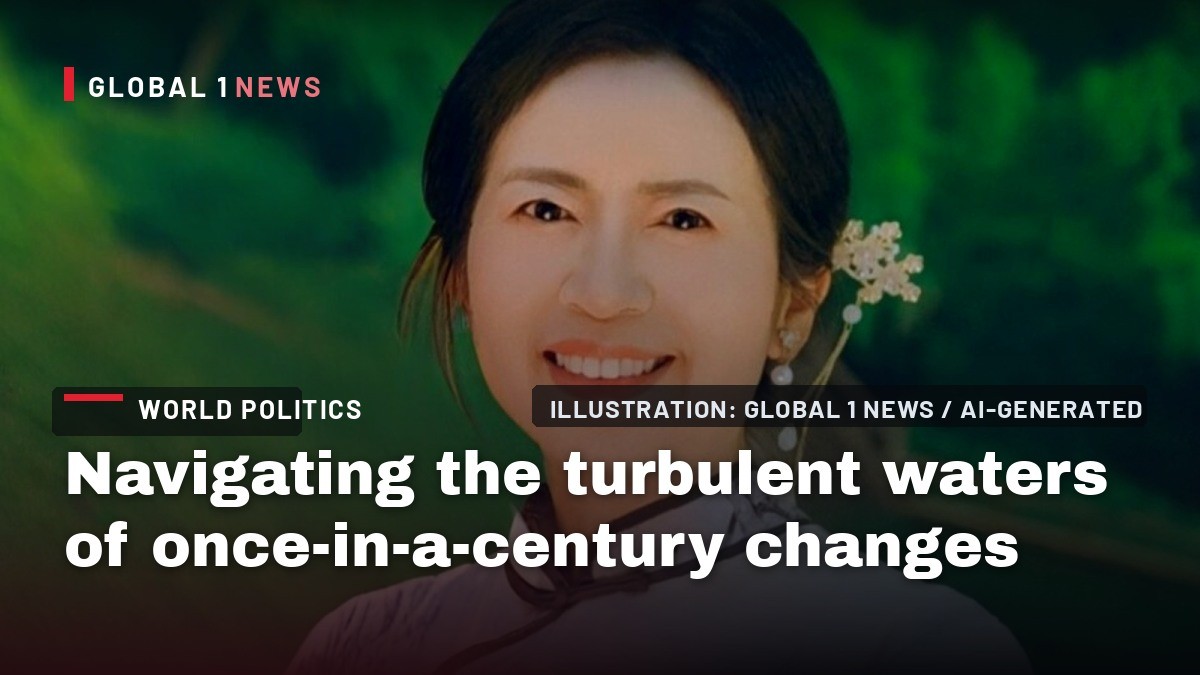
In the quiet hum of our Caribbean streets, the headlines from far‑off capitals often feel like distant thunder. Yet the reverberations of global upheaval are reaching our islands, and Grenada finds itself navigating a sea of change that officials say is “once‑in‑a‑century.” In a recent dispatch from the Chinese Chargé d’affaires, Junying Xue, the message was clear: China is ready to work with Grenada and its neighbours on a framework called the Global Security Initiative (GSI), a platform that promises cooperation on everything from climate‑related disasters to trans‑national crime. As we file this story in October 2026, the words of the Chinese diplomat echo alongside our own concerns about rising living costs, the strain on our energy grid, and the ever‑present threat of hurricanes.
The backdrop of 2026: global tensions and Caribbean ripples
2026 began with a dramatic flashpoint: U.S. military strikes in Venezuela that forced the removal of President Maduro and his wife. While the Caribbean did not host the conflict, the incident underscored a broader pattern of “unilateralism and hegemonism” that the Chinese envoy described as on the rise. Across the world, wars and disputes simmer in Iran, Ukraine, Sudan and between Israel and Palestine, creating a “rare convergence of multiple risks and challenges.”
For small island states like Grenada, the ripple effects are tangible. Security challenges now stretch beyond the traditional notion of defence to include climate‑related disasters, economic vulnerability, and the quest for regional security autonomy. The Chinese communiqué frames these pressures as part of a global transformation that demands “shared challenges for all humanity.”
The Global Security Initiative: origins and core commitments
First unveiled by President Xi Jinping at the Boao Forum for Asia in April 2022, the GSI is presented as a blueprint for “shared global security” rooted in morality and respect for sovereignty. Since its launch, the initiative has reportedly been endorsed by over 130 countries, regions and international organisations, and its principles have been woven into more than 140 bilateral and multilateral documents, according to the Chinese statement.
The GSI rests on six commitments. It calls for comprehensive, cooperative security; respect for sovereignty regardless of a nation’s size or wealth; adherence to the UN Charter and true multilateralism; consideration of all nations’ legitimate security concerns; peaceful dispute resolution through dialogue; and a joint approach to both traditional and non‑traditional threats such as terrorism, climate change, cybersecurity and biosafety. These pillars are positioned as a “public good” for world peace, and the Chinese envoy argues they align closely with Caribbean values of equality, peaceful development and opposition to external confrontation.
Why the Caribbean should care: non‑traditional security pressures
Although the Caribbean faces a low risk of conventional military conflict, the region is acutely vulnerable to non‑traditional threats. Climate change looms large, with more frequent and severe hurricanes testing our disaster‑response capacities. At the same time, trans‑national organised crime—particularly drug trafficking and the illegal flow of firearms—continues to strain law‑enforcement resources. The GSI’s emphasis on coordinating security across both traditional and non‑traditional domains directly mirrors these island realities.
China’s proposal is not a military pact but a “cooperative platform focused on capacity building.” In practice, this could mean sharing expertise on early‑warning systems, disaster‑management protocols and renewable‑energy projects such as photovoltaic power and energy storage. For Grenada, where the energy sector grapples with fluctuating supply and the impacts of El Niño, such collaboration could bolster resilience against power shortages and drought‑related stress.
Climate security and disaster mitigation: potential Chinese‑Caribbean ties
The Chinese envoy highlighted the possibility of joint work between disaster‑management agencies. By maintaining communication channels, Grenada could benefit from China’s experience in early‑warning technology and emergency response coordination. The text suggests that cooperation could extend to “livelihood projects” that enhance energy stability, a point of particular relevance as the cost of living climbs and households face higher electricity bills.
While specifics on funding or project timelines were not disclosed, the emphasis on “photovoltaic power and energy storage” signals a focus on renewable solutions. For a nation that has already begun exploring solar initiatives, Chinese technical assistance could accelerate the rollout of community‑scale solar farms, potentially easing the financial burden on families and reducing reliance on imported fossil fuels.
Law‑enforcement collaboration: tackling trans‑national crime
One of the most pressing concerns for Grenada and its neighbours is the flow of illicit drugs and firearms across our waters. The Chinese statement notes that China supports “CARICOM‑led regional law‑enforcement cooperation” and offers to assist with training in investigative techniques, community policing and juvenile delinquency prevention. This aligns with ongoing regional efforts to strengthen the Caribbean Police Force’s capacity to intercept smuggling routes and dismantle organised crime networks.
By sharing experience and perhaps providing equipment or training modules, China could help fill gaps in our law‑enforcement capabilities. However, the text stops short of detailing how such assistance would be delivered, leaving the exact nature of the partnership to future negotiations between Beijing and CARICOM.
Maritime autonomy and the question of extra‑regional powers
Another thread in the Chinese narrative concerns “regional security autonomy.” Caribbean states have long been wary of the increasing presence of extra‑regional navies in our exclusive economic zones. The GSI’s call for “respect for national sovereignty and non‑interference” resonates with these concerns, positioning China as a partner that recognises the Caribbean’s desire to manage its own maritime affairs.
While the communiqué does not outline specific maritime initiatives, the broader message is that any security framework should be built through “collective consultation among all nations.” For Grenada, this could translate into joint exercises, information‑sharing on illegal fishing or piracy, and a diplomatic platform where small states can voice their interests without being sidelined by larger powers.
Looking ahead: what the GSI means for Grenada’s future
As we file this piece, the Global Security Initiative remains a proposal on paper, yet its principles echo many of the challenges we face on the island. The emphasis on multilateralism, respect for sovereignty and cooperation on climate and crime aligns with Grenada’s own foreign‑policy stance of peaceful development and opposition to external confrontation.
What will determine the initiative’s impact is the willingness of both sides to move beyond rhetoric into concrete projects. If Chinese expertise can be channelled into robust early‑warning systems, reliable renewable‑energy installations and effective law‑enforcement training, Grenada could see tangible benefits that help mitigate the cost‑of‑living pressures and bolster community resilience.
At the same time, the broader geopolitical backdrop—U.S. actions in Venezuela, heightened tensions in other regions, and the ongoing contest between great powers for influence in the Caribbean—means that any partnership will be scrutinised through a strategic lens. For now, the GSI offers a framework that, if pursued earnestly, could help Grenada navigate the turbulent waters of this “once‑in‑a‑century” era, turning global challenges into opportunities for local empowerment.
This article was produced with AI-assisted research and editorial support. Reporting is based on the source material cited below. Sources: Now Grenada; nowgrenada.com; Global1.News (14 October 2026).
By Sharon Sahatoo, Staff Writer
What's Your Reaction?
 Like
0
Like
0
 Dislike
0
Dislike
0
 Love
0
Love
0
 Funny
0
Funny
0
 Wow
0
Wow
0
 Sad
0
Sad
0
 Angry
0
Angry
0

Caribbean Correspondent at Global1.News. Based in Port of Spain, Trinidad, covering Caribbean politics, economy, energy, climate, and culture. Amplifying the voices and stories of the Caribbean region.












Comments (0)