
Marcos Leads Nation in Honoring Fallen Heroes at Libingan ng mga Bayani
In an ANC 24/7 live coverage that captured the solemnity of the moment, President Ferdinand R. Marcos Jr. led the nation in the National Heroes' Day commemoration on Monday, Aug 31, 2026, at the Libingan ng mga Bayani (Heroes' Cemetery) in Taguig City.
In an ANC 24/7 live coverage that captured the solemnity of the moment, President Ferdinand R. Marcos Jr. led the nation in the National Heroes' Day commemoration on Monday, Aug 31, 2026, at the Libingan ng mga Bayani (Heroes' Cemetery) in Taguig City. The ceremony, held at the Tomb of the Unknown Soldier at 8:00 a.m., brought together uniformed personnel, scouts, civil servants, and ordinary citizens who braved the early morning to pay their respects to the men and women who shaped the country's history.
Marcos Leads Nation in Honoring Fallen Heroes at Libingan ng mga Bayani
Manila, Philippines – Monday — The President was joined by National Historical Commission of the Philippines (NHCP) chairman Regalado Trota Jose Jr., Defense Secretary Gilberto Teodoro Jr., Armed Forces of the Philippines vice chief of staff Lt. Gen. Rommel Roldan, and Taguig City Mayor Maria Laarni Lopez Cayetano. Together, they laid wreaths at the Tomb of the Unknown Soldier, a monument that symbolizes all unnamed Filipinos who gave their lives for the country — from the revolutionaries of 1896 to the soldiers who defended democracy in recent decades.
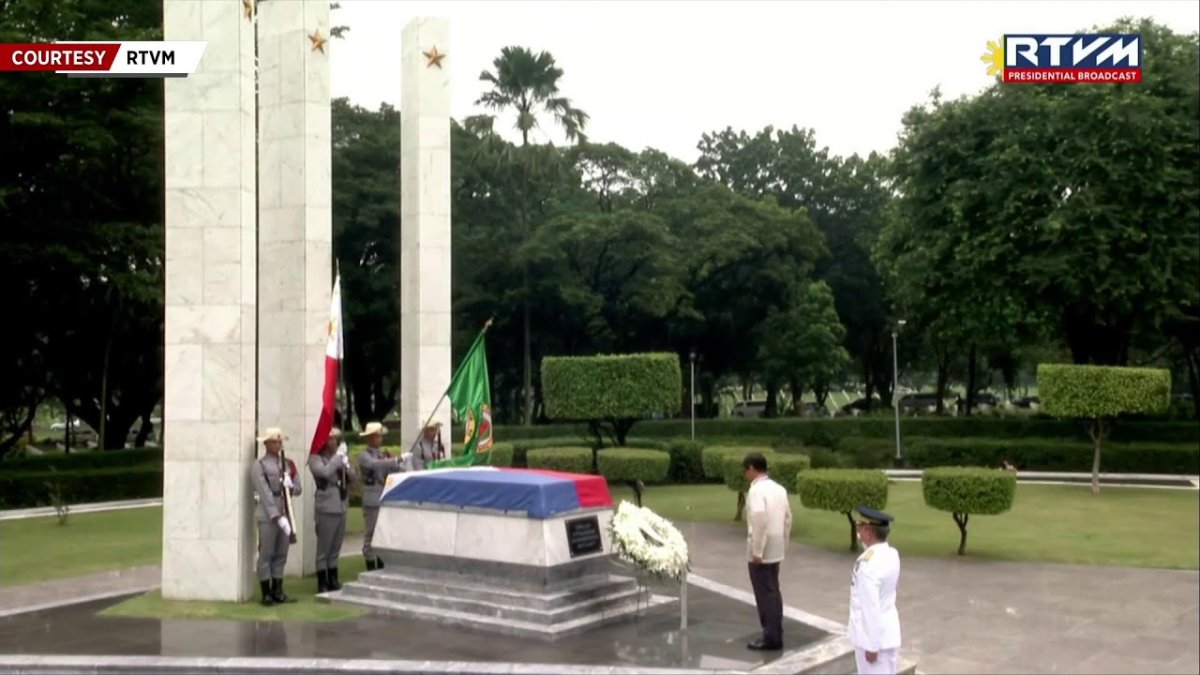
This year's commemoration carries the theme "Spirit of Heroism, Strength of the Nation," a fitting reminder that heroism is not confined to the pages of history books but lives on in the daily acts of courage and sacrifice of ordinary Filipinos. National Heroes' Day is a regular national holiday commemorated every last Monday of August by virtue of Republic Act No. 9492, enacted in 2007, and traces its roots to the Cry of Pugad Lawin in August 1896, which sparked the Philippine Revolution against Spanish colonial rule.
A Holiday Rooted in Revolution, Remembering the Many Faces of Courage
The holiday honors a pantheon of Filipino heroes — Jose Rizal, whose writings awakened the national consciousness; Andres Bonifacio, the Supremo who rallied the masses; Apolinario Mabini, the brains of the revolution; Gabriela Silang, the fearless female leader; and Lapu-Lapu, who resisted foreign domination centuries before the revolution. But the Tomb of the Unknown Soldier stands as a powerful reminder that heroism is not reserved for the famous. Countless unnamed Filipinos — farmers, laborers, mothers, and students — made sacrifices that history may never record, yet their contributions are no less significant.
For many Filipinos, the holiday is a moment of reflection on what it means to be a hero in the modern context. In Metro Manila, where the southwest monsoon has brought relentless rains and flooding in recent days, the commemoration takes on added weight. The Habagat, enhanced by a tropical depression, has affected about 8.1 million people across the Philippines, displacing families, destroying crops, and testing the resilience of communities from Luzon to Mindanao.
President Marcos has ordered government agencies to ensure the timely delivery of aid to flood-hit communities, a directive that echoes the theme of this year's commemoration. The spirit of heroism, after all, is not just about grand gestures on battlefields but about showing up for fellow Filipinos in times of crisis — whether as a rescue worker wading through floodwaters, a health worker tending to the sick, or a barangay captain organizing evacuation efforts.
Reactions and Responses: The Padilla Controversy and the Meaning of Heroism Today
This year's commemoration, however, unfolded against the backdrop of a heated political controversy that has sparked debate about the very meaning of heroism. On Aug 26, 2026, Sen. Robin Padilla — sitting as a senator-judge in the Senate impeachment court of Vice President Sara Duterte — compared aliases used by Philippine revolution heroes to supposed recipients listed under Office of the Vice President confidential funds, including an entry dubbed "Mary Grace Piattos."
Padilla argued that the use of aliases is necessary "in war," drawing parallels between the revolutionary names adopted by Rizal ("Dimasalang") and Bonifacio ("Marcial") and the entries in the confidential fund documents. The comparison, however, drew sharp criticism from lawmakers who found it deeply offensive to the memory of the nation's heroes.
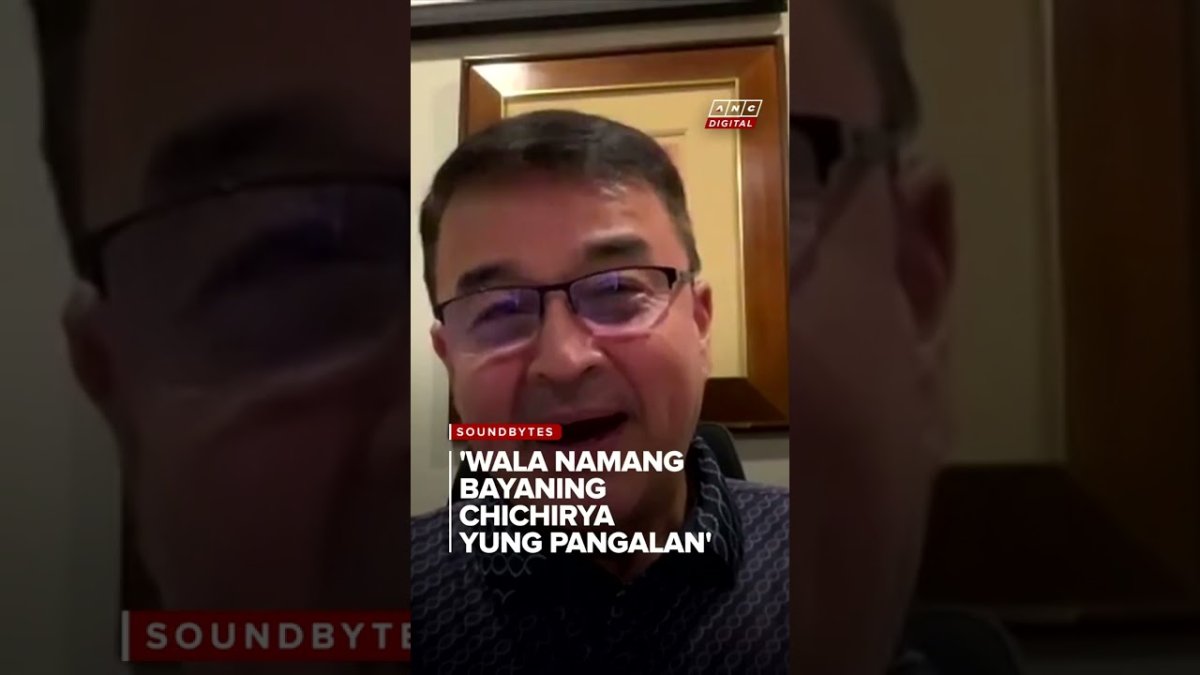
House Deputy Speaker Paolo Ortega V called the comparison insulting, saying "Nakakainsulto naman" — a sentiment echoed by House prosecution panel spokesperson Robert Ace Barbers, who also reacted to Padilla's remarks. The impeachment court has issued a strict gag order (sub judice rule) on the proceedings, but the controversy has already ignited public discourse about the sanctity of national heroes and the standards to which public officials should be held.
The timing of the controversy — just days before National Heroes' Day — has prompted many Filipinos to reflect on what heroism truly means. For historians and educators, the comparison between revolutionary aliases and alleged confidential fund recipients trivializes the sacrifices of those who risked everything for the nation's freedom. For others, it raises uncomfortable questions about accountability and transparency in government, values that are themselves forms of modern heroism.
Modern Heroes: Health Workers, Teachers, OFWs, and Disaster Responders
As the nation honors its historical heroes, the spotlight also turns to the modern-day heroes who embody the same spirit of sacrifice and service. Health workers have been on the frontlines of the ongoing leptospirosis outbreak in flood-affected areas, where cases have climbed in recent days. These medical professionals work long hours in difficult conditions, often risking their own health to save others — a quiet heroism that rarely makes headlines but saves countless lives.
Teachers, too, are heroes in their own right, shaping the minds of the next generation despite limited resources and challenging circumstances. In flood-hit communities, teachers have transformed classrooms into evacuation centers and have gone door-to-door to check on their students' safety. Their dedication to education, even in the face of adversity, mirrors the commitment of the revolutionaries who believed that knowledge was the key to liberation.
Overseas Filipino Workers (OFWs) represent another face of heroism — the millions of Filipinos who leave their families behind to work in foreign lands, sending remittances that sustain the national economy. Their sacrifice is often invisible, but it is no less heroic. Every dollar sent home is a testament to their love for their families and their commitment to building a better future for the next generation.
Soldiers and disaster responders, meanwhile, embody the most direct form of heroism — risking their lives to protect and rescue others. In recent days, members of the Armed Forces of the Philippines and the Philippine National Police have been deployed to flood-hit areas, conducting rescue operations and delivering aid to stranded communities. Their bravery in the face of danger is a living testament to the spirit of heroism that the nation honors today.
The Habagat Crisis: A Test of National Resilience
The ongoing southwest monsoon crisis has tested the nation's resilience in ways that echo the challenges faced by the heroes of 1896. With about 8.1 million people affected across the country, the crisis has exposed vulnerabilities in infrastructure, disaster preparedness, and social safety nets. Metro Manila has seen red rainfall warnings, La Mesa Dam spillage, and widespread flooding in recent days, disrupting daily life and threatening public health.
President Marcos has directed government agencies to accelerate the delivery of aid to affected communities, emphasizing the need for speed and efficiency in the government's response. The directive reflects a recognition that in times of crisis, the government's actions — or inactions — can make the difference between life and death for vulnerable Filipinos. The fight against flooding, like the fight against corruption, is a form of modern heroism that requires courage, competence, and accountability.
Last year, on National Heroes' Day 2025, Marcos honored the legacy of Teresa Magbanua, a Filipina revolutionary leader, and vowed accountability in flood control projects, framing the fight against corruption as a form of modern heroism. This year, the promise of accountability takes on renewed urgency as the nation grapples with the devastating impacts of the Habagat and the political controversies that have dominated headlines.
What Heroism Means for the Filipino People Today
As the wreaths were laid and the honors rendered at the Libingan ng mga Bayani, the question of what heroism means in 2026 hung in the air. For some, it is the courage to speak truth to power, even when it is unpopular. For others, it is the quiet dedication to duty — the nurse who stays overtime, the teacher who goes the extra mile, the OFW who sends money home despite personal hardship.
The controversy surrounding Sen. Padilla's remarks has sparked a national conversation about the boundaries of political discourse and the respect owed to the nation's heroes. But it has also highlighted the importance of accountability and transparency in public service — values that are themselves heroic in a democracy. The impeachment proceedings against Vice President Sara Duterte, conducted under the strict sub judice rule, represent a test of the nation's commitment to the rule of law and the principles for which the heroes of 1896 fought.
For the Filipino people, heroism is not an abstract concept but a lived reality. It is the bayanihan spirit that emerges in times of crisis — neighbors helping neighbors, communities coming together to rebuild after a flood, strangers extending a hand to those in need. It is the resilience of a people who have faced countless challenges throughout history and have always found the strength to rise again.
Looking Forward: Carrying the Torch of Heroism
The commemoration at the Libingan ng mga Bayani serves as a reminder that the legacy of the heroes is not just a thing of the past but a call to action for the present and future. As the nation faces the challenges of climate change, economic uncertainty, and political division, the spirit of heroism — the willingness to sacrifice for the common good — is more needed than ever.
President Marcos's participation in the ceremony, alongside key government officials and military leaders, underscores the importance of national unity in times of crisis. The theme "Spirit of Heroism, Strength of the Nation" captures this sentiment perfectly — the idea that the collective courage of the Filipino people is the nation's greatest asset.
As the rains continue to fall and the floodwaters rise in many parts of the country, the heroes of today are the ones who wade through the murky water to rescue the stranded, who open their homes to the displaced, who volunteer their time and resources to help those in need. They may not have monuments built in their honor, but their deeds are no less heroic than those of Rizal, Bonifacio, and the countless others who came before them.
On this National Heroes' Day, the nation pauses to remember the past but also to recognize the heroes in our midst. From the soldiers who protect our shores to the health workers who save lives, from the teachers who educate our children to the OFWs who sustain our economy, from the disaster responders who risk everything to the ordinary citizens who extend a helping hand — these are the heroes who carry the torch of the revolution forward.
The Tomb of the Unknown Soldier stands as a silent witness to the sacrifices of the unnamed, the forgotten, and the unsung. But on this day, they are all remembered. And as the nation moves forward, the spirit of heroism that defined the Philippine Revolution continues to inspire and guide the Filipino people — a reminder that strength lies not in the power of individuals but in the collective courage of a nation united in purpose.
By Bella Reyes, Staff Writer
This article was produced with AI-assisted research and editorial support. Reporting is based on sources cited in the article.
What's Your Reaction?
 Like
0
Like
0
 Dislike
0
Dislike
0
 Love
0
Love
0
 Funny
0
Funny
0
 Wow
0
Wow
0
 Sad
0
Sad
0
 Angry
0
Angry
0

Philippines/Southeast Asia Correspondent at Global1.News. Manila-based journalist covering Philippine politics, environment, maritime security, and social issues. Passionate about marine conservation and the communities protecting the Philippines' natural heritage.











Comments (0)