
Karnataka Raids Expose Rs 11-Crore Counterfeit Drug Network
Two raids in the Bengaluru region within 24 hours have exposed a shadow pharmaceutical supply chain capable of placing counterfeit medicines—including treatments for cancer and critical-care conditions—into the hands of unsuspecting patients.
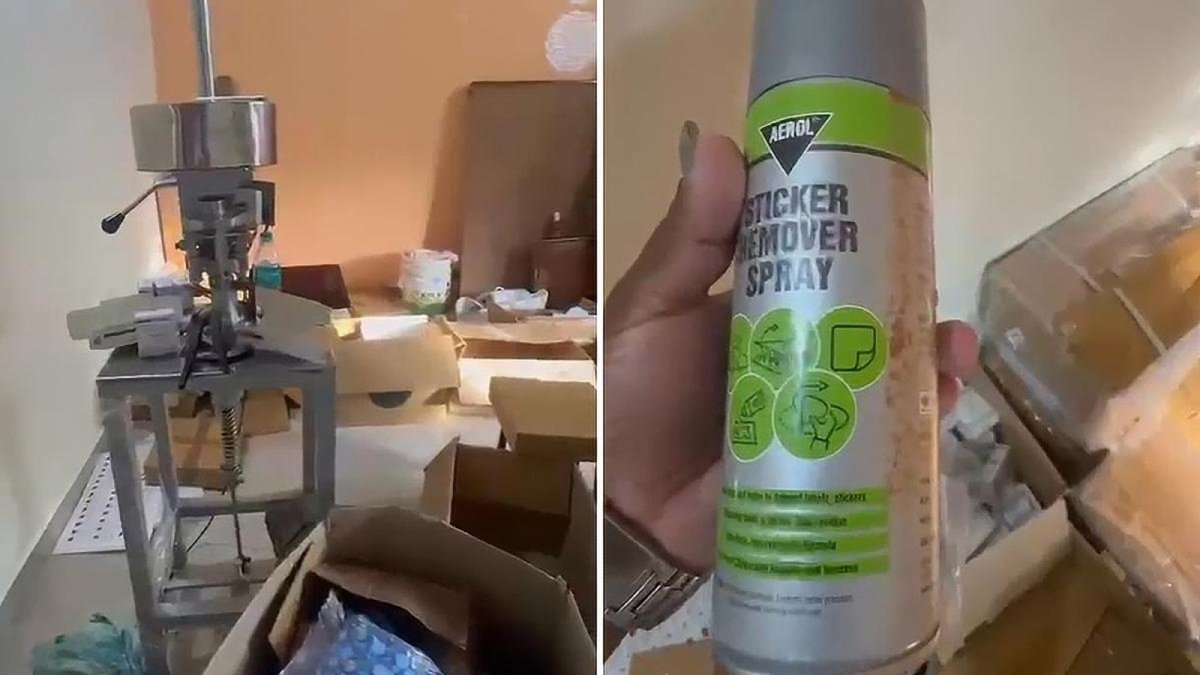
Two raids in the Bengaluru region within 24 hours have exposed a shadow pharmaceutical supply chain capable of placing counterfeit medicines—including treatments for cancer and critical-care conditions—into the hands of unsuspecting patients. On Tuesday, August 18, 2026, Karnataka's Food Safety and Drug Administration (FSDA) seized spurious drugs worth more than Rs 5 crore from an unlicensed unit at Hejjala near Bidadi on Mysuru Road, while a separate operation by police and the Drugs Control Department recovered fake cancer medicines valued at approximately Rs 6 crore from a farmhouse on the city's outskirts. The economics of the racket are stark: medicines sourced for Rs 600 to Rs 700 were being sold for Rs 6,000 to Rs 7,000, a markup that signals organised, profit-driven criminality rather than isolated malpractice.
Karnataka's Twin Raids Expose Rs 11-Crore Counterfeit Drug Network: What It Means for Patient Safety in Indian ICUs
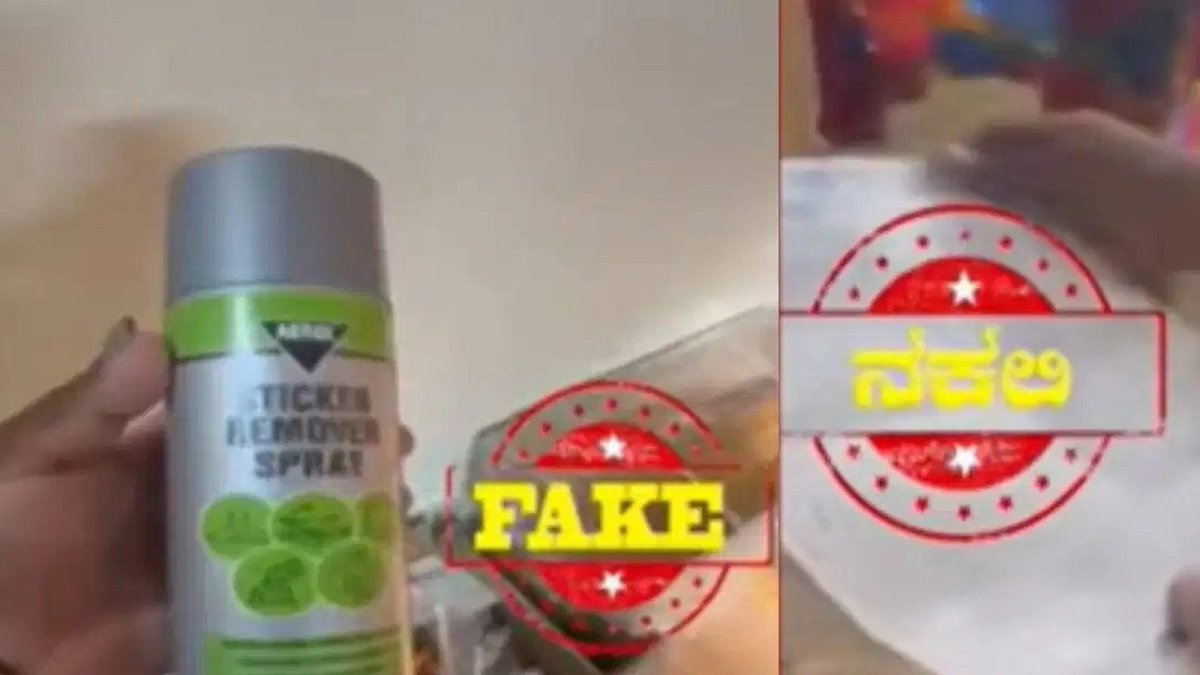
Bengaluru, Karnataka – August 19, 2026 — The scale of the counterfeit medicine problem in Karnataka came into sharp focus this week as enforcement agencies dismantled two separate operations within 24 hours. The FSDA's Enforcement Wing, acting on a police tip-off, raided an unlicensed manufacturing and repackaging unit at Hejjala, close to the Bidadi toll gate on Mysuru Road in Ramanagara district. FSDA Commissioner Srinivas K confirmed that officers, accompanied by a police team, found labels of all major pharmaceutical companies, including Pfizer, at the premises. The unit did not possess a valid licence for manufacturing medicines, a fact confirmed by Karnataka Health Minister U.T. Khader in a statement to The Hindu. The seizure included cartons of medicine packets, fresh labels, a notching machine, an invoice in the name of 'Kaushik Pharmaceuticals', and a bottle of sticker-remover spray—tools of a repackaging operation designed to make spurious drugs appear to be products of reputed multinational firms.
The Rs 600-to-Rs 7,000 Markup: Anatomy of a Criminal Business Model
The financial mechanics of the racket reveal why counterfeit drugs remain a persistent threat to Indian healthcare. FSDA Commissioner Srinivas K told reporters that the spurious drugs were sourced for just Rs 600 to Rs 700 but sold for Rs 6,000 to Rs 7,000—a tenfold profit margin that dwarfs legitimate pharmaceutical manufacturing. "Our officers were accompanied by a police team. Labels of all major pharmaceutical companies, including Pfizer, were found. The spurious drugs were sourced for just Rs 600 to Rs 700 but sold for Rs 6,000 to Rs 7,000. We are investigating their source and supply chain," Srinivas K said. The Hejjala unit was engaged in the manufacture, repackaging and labelling of spurious medicines, with officials seizing materials that would allow the operation to mimic authentic packaging with alarming fidelity. The department is now examining the seized medicines to establish the source of the drugs, the extent of the operation, and the distribution network. Critically, the FSDA will trace retailers who bought the mislabelled drugs and, if possible, identify buyers who may have unknowingly purchased the fake medicines.
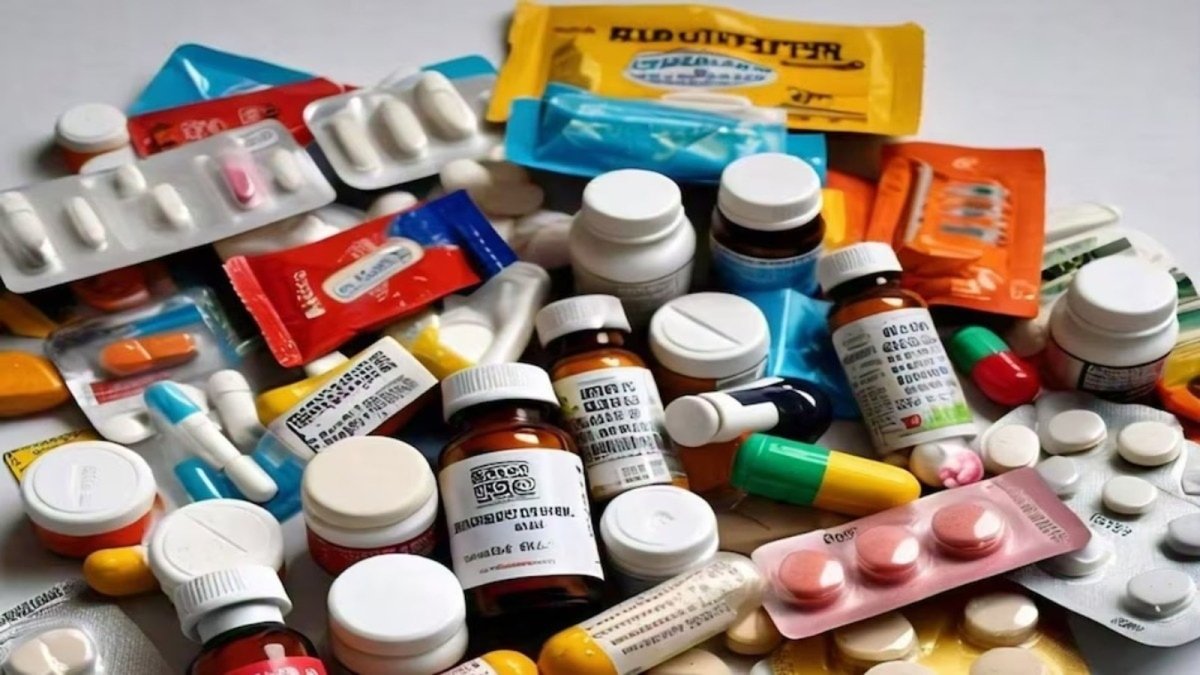
Separate Farmhouse Bust: Fake Cancer Drugs Worth Rs 6 Crore
In a parallel operation reported by The Hans India on August 19, 2026, Tavarekere police and officials from the Drugs Control Department busted an alleged counterfeit medicine manufacturing unit operating from a farmhouse at CK Thandya village near Dodderi in Bengaluru South taluk. The unit, leased by a Bengaluru-based man identified as Chetan—suspected to be the key accused—yielded a large quantity of medicines, packaging material and labels bearing names of reputed pharmaceutical companies. Police arrested one person, with a search underway for Chetan. Investigators said medicines costing around Rs 600 were allegedly sold for between Rs 6,000 and Rs 8,000, a pricing structure nearly identical to the Hejjala operation. Police are probing whether the counterfeit medicines were supplied to cancer patients through medical shops or other channels, and whether the network extended beyond Bengaluru. The targeting of cancer drugs is particularly alarming: patients undergoing treatment are often desperate, vulnerable, and unlikely to question the authenticity of medicines that carry familiar brand names.
The ICU Question: How Counterfeit Drugs Enter Critical-Care Supply Chains
The NDTV headline framing—"Fake Medicines In ICUs?"—poses a question that Indian healthcare regulators cannot afford to ignore. While no fake medicines have been confirmed in any intensive care unit, the Hejjala raid demonstrates that the infrastructure for such infiltration exists. The unit's capacity to repackage and relabel drugs in the names of multinational companies means that spurious products could theoretically enter hospital supply chains, including critical-care settings where patients are least able to advocate for themselves. Health Minister U.T. Khader acknowledged this concern, stating that the operation raised concerns over the possibility of counterfeit medicines entering the pharmaceutical supply chain with labels designed to make them appear to be products of reputed companies. More details are expected on Wednesday as the investigation progresses. The danger is not hypothetical: the World Health Organization estimates that 1 in 10 medical products circulating in low- and middle-income countries is substandard or falsified, and India—the world's largest producer of generic medicines and a major exporter—faces unique challenges in policing a vast and fragmented pharmaceutical landscape.
Wider Enforcement Drive: From Hejjala to Vidhana Soudha
The raids come as Karnataka's FSDA has intensified surveillance of the pharmaceutical supply chain alongside wider enforcement against food and drug safety violations. Recent inspections across Bengaluru, Mysuru and Mangaluru led to the seizure of more than 1,000 kg of unsafe food, uncovering expired products, rotten vegetables, fungal contamination and improper meat storage at several establishments. The crackdown has covered hotels, resorts, quick-commerce storage centres, Indira Canteens and food outlets inside government complexes. Inspections at Vidhana Soudha, Vikasa Soudha and Arogya Soudha found alleged lapses including expired ingredients, inadequate pest control and unhygienic food handling; cockroaches were found on food plates during an inspection at a canteen in Vikasa Soudha. In Mangaluru, a KFC outlet was sealed after a customer alleged that chicken ordered online was stale, with samples sent for laboratory analysis. The state has also sought to involve consumers directly: pharmacies, restaurants and other food establishments are to display QR codes through which consumers can lodge complaints relating to food and drug safety.
Regulatory Gaps: The CDSCO-State Drug Controller Divide
India's drug regulation is split between the central CDSCO (Central Drugs Standard Control Organisation) and state drug controllers, with enforcement quality varying significantly across states. This fragmented framework creates opportunities for counterfeiters to exploit jurisdictional gaps. The Karnataka raids highlight the need for stronger coordination between central and state agencies, as well as more robust track-and-trace mechanisms for pharmaceutical products. The April 2026 directive from the Bangalore District Chemists and Druggists Association (BDCDA) illustrates the ongoing nature of the threat: pharmacists were instructed to stop selling six batches of Mounjaro Kwik Pen (a type 2 diabetes and weight-management drug with an MRP of Rs 13,125 for 2.5mg and Rs 27,500 for 15mg) suspected to be spurious after Haryana FDA identified counterfeit batches. BDCDA president B. Thirunavukkarasu captured the stakes: "Counterfeit, spurious and substandard medicines are not merely regulatory violations, they pose a serious threat to public health, patient safety and the national economy." The ASPA-CRISIL "State of Counterfeiting in India 2025" report found that 35% of urban consumers in India encountered counterfeit products in the past year, with nearly 89% admitting to having bought a counterfeit product at least once in their lifetime.
The Bottom Line
The twin raids near Bengaluru, yielding counterfeit medicines worth more than Rs 11 crore combined, expose a criminal infrastructure that treats patient health as a commodity. The near-identical pricing structures at Hejjala and CK Thandya village suggest a coordinated network rather than isolated operators, and the use of reputed brand labels—including Pfizer—indicates sophisticated packaging capabilities. For Indian patients, the implications are direct: the medicines they purchase from licensed pharmacies may not always be what they appear to be. The FSDA's intensified enforcement, the QR code complaint mechanism, and the BDCDA's proactive alerts represent meaningful steps, but they are reactive measures against a deeply entrenched problem. Spurious drugs, defined under Section 17B of India's Drugs and Cosmetics Act, 1940, remain a public health emergency that demands systemic reform—from manufacturing oversight to distribution tracking to consumer education. Until the regulatory framework matches the scale of the threat, the question of whether fake medicines can reach ICUs is not a hypothetical; it is a countdown.
This article was produced with AI-assisted research and editorial support. Sources: NDTV, The Hindu, Deccan Herald, India Today, The Hans India.
— By Dr. Raj Patel, Staff Writer
What's Your Reaction?
 Like
0
Like
0
 Dislike
0
Dislike
0
 Love
0
Love
0
 Funny
0
Funny
0
 Wow
0
Wow
0
 Sad
0
Sad
0
 Angry
0
Angry
0
India/South Asia Correspondent at Global1.News. Analytical voice with a background in science and health journalism. Based in New Delhi, covering Indian politics, education, healthcare, technology, and policy. Breaks down complex data into clear, actionable reporting.












Comments (0)