
Karnataka FSDA Busts Rs 5 Crore Spurious Drug Racket Near Bidadi
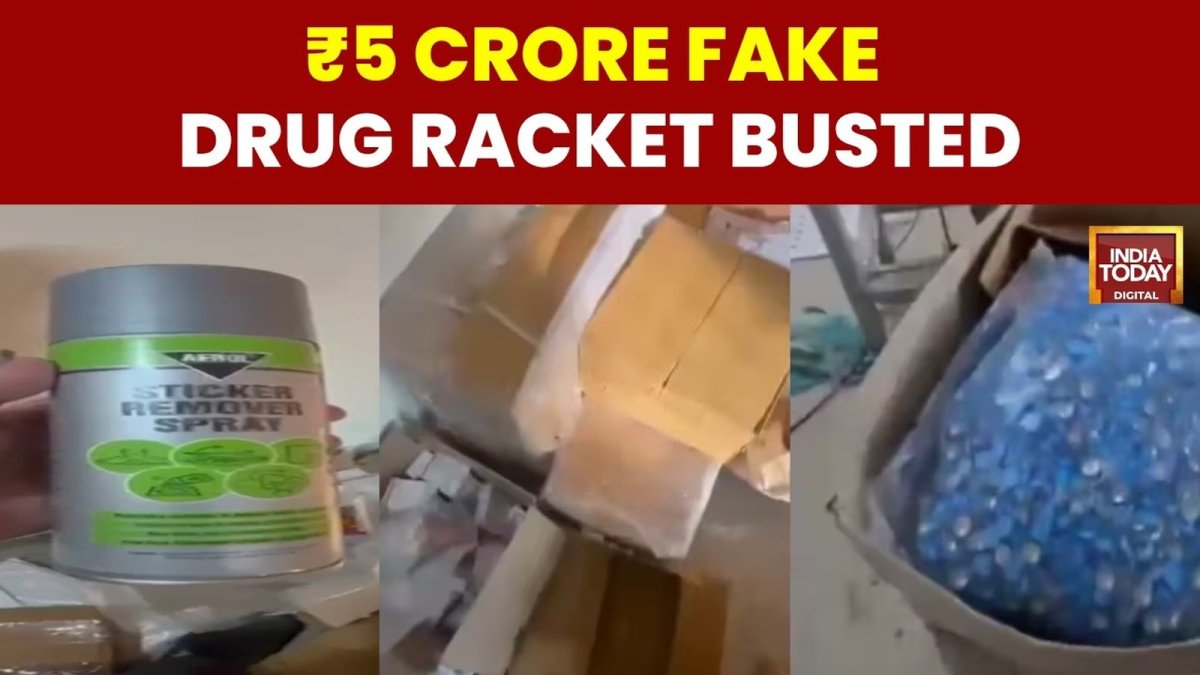
The Karnataka Food Safety and Drug Administration (FSDA) has dismantled an alleged racket involved in repackaging and relabelling spurious medicines as products of multinational pharmaceutical giants, seizing drugs valued at over ₹5 crore in a raid conducted on Tuesday, August 18, 2026.
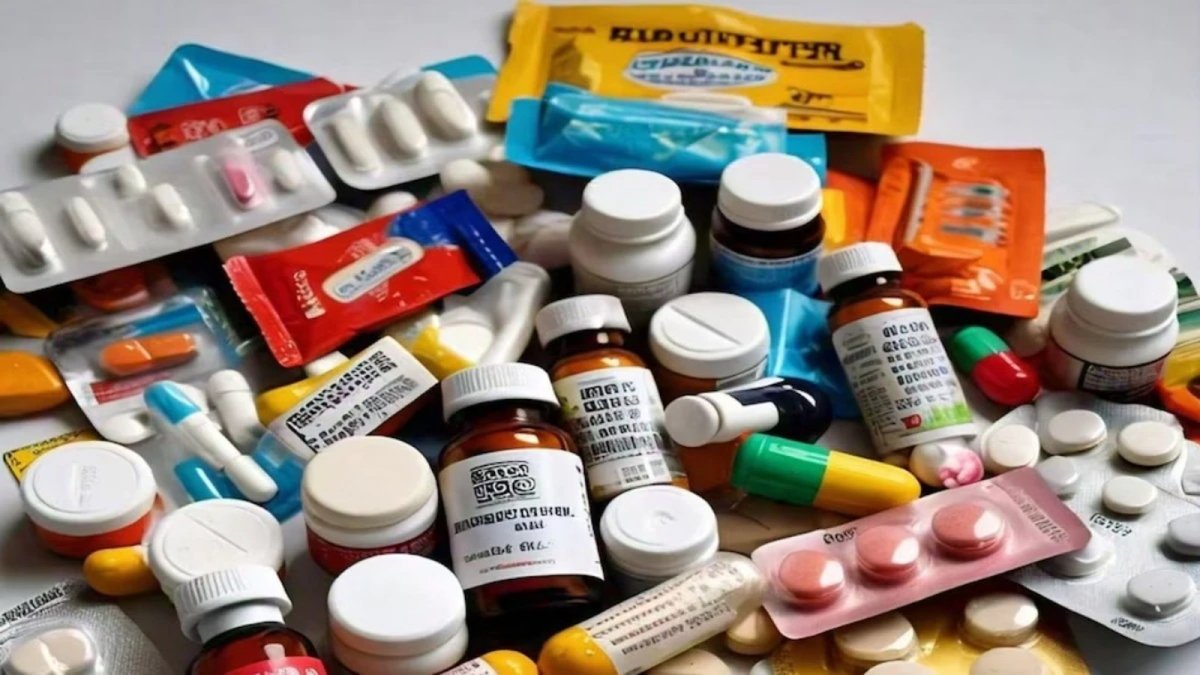
The Karnataka Food Safety and Drug Administration (FSDA) has dismantled an alleged racket involved in repackaging and relabelling spurious medicines as products of multinational pharmaceutical giants, seizing drugs valued at over ₹5 crore in a raid conducted on Tuesday, August 18, 2026. The operation, carried out near the Bidadi tollgate on Mysuru Road, has exposed a sophisticated operation that purchased counterfeit drugs for as little as ₹600 and sold them to retail pharmacies for up to ₹7,000—a profit margin of over 1,000 percent. This seizure raises critical questions about the integrity of India's pharmaceutical supply chain and the safety of millions of patients who rely on branded medications.
Karnataka Drug Raid Exposes ₹5 Crore Spurious Medicine Racket: Inside the Bidadi Operation and Its Implications for India's Pharma Supply Chain
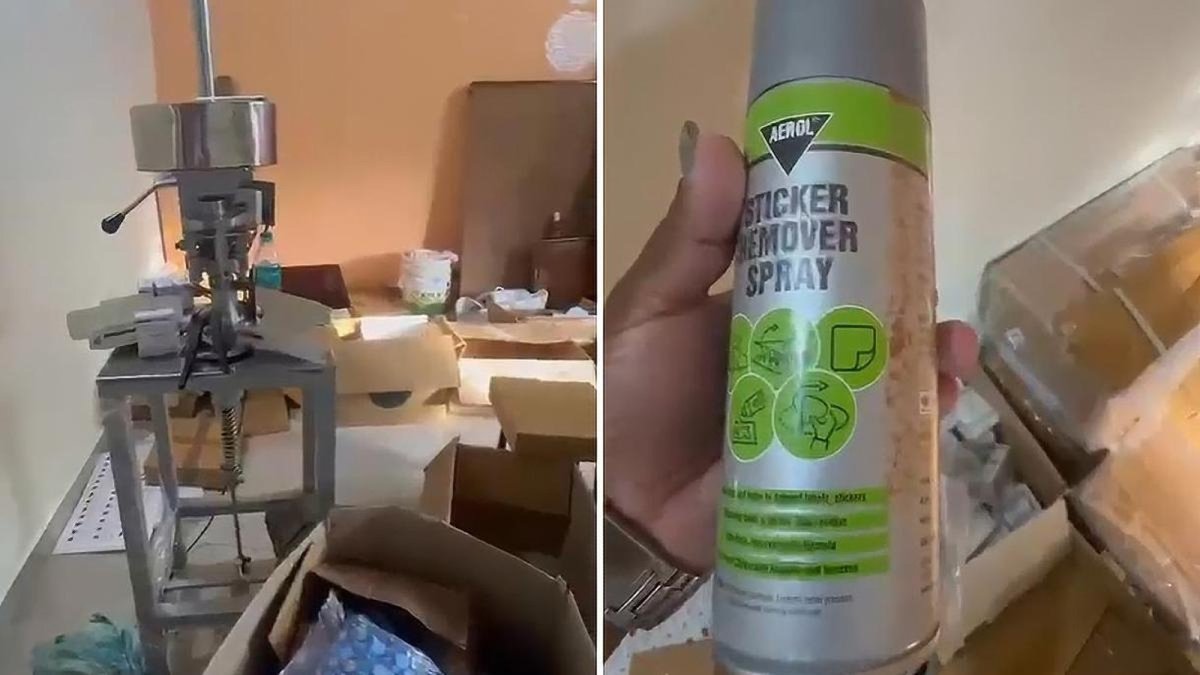
Bengaluru, Karnataka – August 19, 2026 — The Enforcement Wing of Karnataka's FSDA has uncovered an alleged racket involving the manufacture, repackaging, and labelling of spurious medicines in the names of prominent multinational pharmaceutical companies at an unlicensed unit near Hejjala, close to Bidadi in Ramanagara district. The raid, which followed a police tip-off, has sent shockwaves through the state's healthcare administration, with Health Minister U.T. Khader confirming the total value of the seized drugs at approximately ₹5 crore. The facility, which operated without a valid drug manufacturing licence, was found to be in possession of labels belonging to major pharmaceutical companies, including global giant Pfizer, alongside a notching machine, fresh packaging materials, and a bottle of sticker-remover spray.
The Anatomy of the Racket: From ₹600 to ₹7,000
FSDA Commissioner Srinivas K, who led the investigation, provided chilling details about the economics of the counterfeit operation. "The spurious drugs were sourced for just Rs 600 to Rs 700 but sold for Rs 6,000 to Rs 7,000," he stated, revealing a tenfold markup that underscores the lucrative nature of this illegal trade. The operation was sophisticated: offenders were repackaging spurious drugs and affixing labels of multinational pharma companies before selling them to retail pharmacies across the state. The use of sticker-remover sprays indicates a deliberate effort to erase original markings and replace them with counterfeit labels designed to deceive both pharmacists and consumers.
The raid, conducted by the drug-control wing of the department at premises near the Bidadi tollgate, uncovered cartons containing medicine packets, fresh labels, and an invoice in the name of 'Kaushik Pharmaceuticals'. The establishment was operating entirely without a valid drug licence, a fundamental violation of the Drugs and Cosmetics Act, 1940. Commissioner Srinivas K confirmed that the department is now investigating the source of the seized drugs, with a clear next step: "We are yet to figure out where they were buying the spurious drugs from. Our next course of action will be to raid that godown."
Legal Framework: What Constitutes a Spurious Drug?
Under Indian law, the definition of a spurious drug is precise and unforgiving. Section 17B of the Drugs and Cosmetics Act, 1940, defines a drug as spurious if it is manufactured under a name that belongs to another drug, or if it is an imitation or substitute of another drug and purports to be the product of a manufacturer of whom it is truly not a product. This case fits the definition perfectly—the seized medicines were designed to appear as products of reputed multinational corporations, including Pfizer, when in fact they originated from an unlicensed facility in Ramanagara district.
The distinction between misbranded (Section 17), adulterated (Section 17A), and spurious (Section 17B) drugs is critical for prosecution. This operation clearly falls under Section 17B, which carries severe penalties under Indian law. The Central Drugs Standard Control Organization (CDSCO) serves as India's central drug regulator, but state drug control authorities like Karnataka's FSDA are responsible for licensing and policing manufacturing and sale within their jurisdictions. This raid represents a significant enforcement action by a state authority, highlighting the critical role state agencies play in protecting public health.
Consumer Risk: The Invisible Threat to Patients
The implications of this racket extend far beyond the financial loss to pharmaceutical companies. Patients who unknowingly purchased these counterfeit medicines may have received substandard or entirely ineffective treatments for serious health conditions. The World Health Organization estimated in November 2017 that approximately 1 in 10 medical products circulating in low- and middle-income countries is substandard or falsified. India, as one of the world's largest producers of generic medicines, faces a unique challenge: while its legitimate pharmaceutical industry is globally respected, the counterfeit trade undermines patient trust and poses serious health risks.
A survey highlighted in reporting on the raid indicates that 35% of Indians encountered fake products in the last one year—a staggering figure that suggests counterfeit goods, including medicines, are pervasive in the Indian market. The department has stated it will trace retailers who bought mislabelled drugs and, if possible, identify buyers who may have unknowingly purchased the fake medicines. This consumer-tracing effort is notable in its scope and reflects a growing recognition that the fight against counterfeit drugs must extend to the point of sale and ultimately to the patient.
What This Means for India
This raid comes at a time when Karnataka's FSDA has intensified its inspection regime across the state. The department has moved beyond roadside eateries to target three- and five-star hotels, international food chains, government canteens, Indira Canteens, and warehouses supplying quick-commerce platforms. Recent inspections in Bengaluru, Mysuru, and Mangaluru uncovered more than 1,000 kg of unsafe food items, including expired ingredients, fungal contamination, and improper meat storage. Checks at Vidhana Soudha, Vikasa Soudha, and Arogya Soudha—the state's key government complexes—found lapses such as inadequate pest control and unhygienic food handling, with cockroaches found on plates at a canteen in Vikasa Soudha.
The state is also seeking to involve consumers directly in the enforcement process. Pharmacies, restaurants, and other food establishments are being encouraged to display QR codes through which consumers can lodge complaints relating to food and drug safety. This move is particularly significant in the context of counterfeit and substandard medicines, where consumers may not be able to determine authenticity from packaging alone. For Indian patients, this means a new layer of vigilance is required—but also a new tool for reporting suspicious products.
Broader Enforcement: A State-Wide Crackdown
The Bidadi raid is part of a broader enforcement push by Karnataka's regulatory authorities. Earlier this month, FDA inspections led to the closure of a Zepto warehouse in Hoskote over improper labelling, misbranding, and unsanitary conditions. Action was also taken against the Indira Canteen central kitchen in Gottigere and two other food preparation units. In Mangaluru, a KFC outlet was sealed after a customer alleged that chicken ordered online was stale and tasted bad; samples have been sent for laboratory analysis.
This aggressive enforcement posture reflects a political commitment from the state government, with Health Minister U.T. Khader personally confirming the details of the drug raid. The operation has raised concerns over counterfeit medicines entering the pharmaceutical supply chain with labels designed to make them appear as products of reputed companies. More details are expected to emerge on Wednesday as the investigation progresses, including laboratory analysis of the seized drug samples, which is currently underway.
The Bottom Line
The seizure of ₹5 crore worth of spurious medicines near Bidadi is not merely a law enforcement success story—it is a stark reminder of the vulnerabilities in India's pharmaceutical distribution network. With counterfeiters achieving tenfold profit margins by exploiting patient trust in established brands, the FSDA's next steps will be crucial. The department's commitment to tracing retailers and identifying end-consumers represents a significant shift toward patient-centric enforcement. For the 35% of Indians who have encountered fake products, and for the millions more who depend on affordable generic medicines, this raid underscores the need for continued vigilance, stronger regulatory oversight, and greater consumer awareness. As laboratory analysis of the seized samples proceeds and the investigation traces the supply chain to its source, one thing is clear: the fight against counterfeit medicines in India is far from over, but Karnataka's regulators have drawn a definitive line in the sand.
This article was produced with AI-assisted research and editorial support. Sources: India Today, Deccan Herald, The Hindu, Times of India, Mirror Now, PTI.
— By Dr. Raj Patel, Staff Writer
What's Your Reaction?
 Like
0
Like
0
 Dislike
0
Dislike
0
 Love
0
Love
0
 Funny
0
Funny
0
 Wow
0
Wow
0
 Sad
0
Sad
0
 Angry
0
Angry
0

India/South Asia Correspondent at Global1.News. Analytical voice with a background in science and health journalism. Based in New Delhi, covering Indian politics, education, healthcare, technology, and policy. Breaks down complex data into clear, actionable reporting.













Comments (0)