
Housing Industry Hit by Shortage of Naphtha-Derived Materials
Housing Industry Hit by Shortage of Naphtha-Derived Materials The Role of Naphtha-Derived Materials in Japan's Housing Supply Chain Naphtha serves as a primary petrochemical feedstock obtained from crude oil refining and supports multiple components used in residential construction across Japan. These materials include polystyrene foam for insulation, PVC piping, synthetic adhe
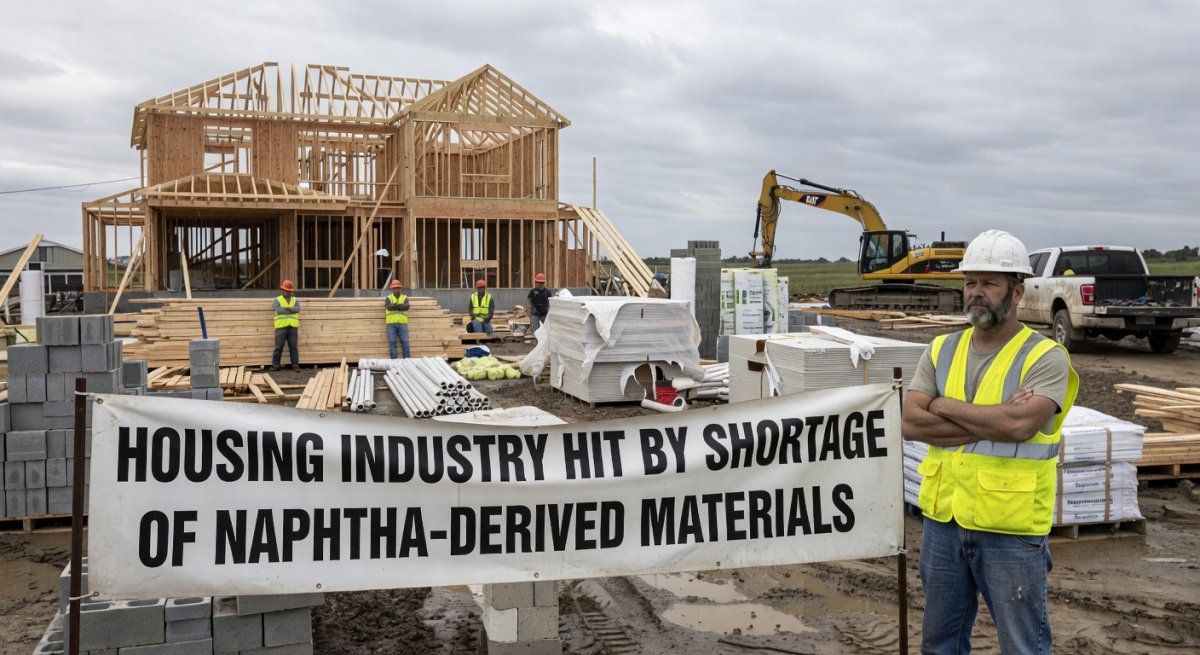
The Role of Naphtha-Derived Materials in Japan's Housing Supply Chain
Naphtha serves as a primary petrochemical feedstock obtained from crude oil refining and supports multiple components used in residential construction across Japan. These materials include polystyrene foam for insulation, PVC piping, synthetic adhesives, sealants, paints, coatings, and assorted plastic parts integrated into modern homes. Japanese builders depend on consistent supplies of these products to maintain assembly lines and meet building standards that emphasize energy efficiency and durability.
The housing sector in Japan incorporates these naphtha derivatives at nearly every stage of production. Insulation panels rely on polystyrene to meet thermal performance requirements in colder regions, while PVC pipes form the backbone of plumbing systems in both single-family homes and apartment complexes. Adhesives and sealants derived from the same feedstock ensure airtight seals in prefabricated units that major developers favor for speed and quality control.
Why Supply Constraints Are Emerging Now
Japan imports the bulk of its naphtha, leaving the supply chain exposed to shifts in global refinery operations and crude oil distribution patterns. Recent refinery closures in several regions, combined with redirected crude flows linked to geopolitical developments, have tightened availability. At the same time, other Asian economies have increased their demand for petrochemical feedstocks, intensifying competition for limited volumes.
The situation has developed gradually rather than through a single event. As older refineries reduce output and new capacity comes online more slowly than expected, Japanese importers face allocation limits that were not present in prior years. Industry observers note that these pressures coincide with broader adjustments in energy markets, though the exact duration of the shortfall remains difficult to project.
Impact on Major Japanese Homebuilders
Large residential developers such as Sekisui House and Daiwa House have reported disruptions in their material procurement schedules. These firms rely on stable deliveries of insulation and piping to fulfill orders for both detached houses and multi-unit projects. When specific naphtha-derived items become scarce, production lines slow, forcing companies to seek alternative suppliers or adjust project timelines.
Smaller contractors that serve regional markets encounter similar difficulties, though they often lack the purchasing power of the largest builders. The constraints affect both new construction starts and renovation work that depends on matching existing materials. Developers have begun reviewing inventory buffers and exploring limited substitutions where building codes permit, yet many specialized components have few ready replacements.
Implications for Consumers: Higher Prices and Construction Delays
Shortages in these essential materials are likely to translate into increased costs for homebuyers and those planning renovations. Builders facing higher input prices typically pass a portion of the increase along through contract adjustments. In addition, extended lead times for key components can push back completion dates, creating uncertainty for families awaiting new residences or property upgrades.
Delayed projects also carry secondary effects on financing and scheduling. Mortgage approvals tied to specific move-in dates may require renegotiation, while rental agreements or temporary housing arrangements become more complicated. The Japan Times reporting indicates that the duration of these pressures is still unknown, leaving consumers with limited visibility into when normal supply conditions might return.
Actions by Government Agencies
The Ministry of Land, Infrastructure, Transport and Tourism (MLIT) oversees building standards and housing policy, while the Ministry of Economy, Trade and Industry (METI) tracks industrial materials and energy feedstocks. Both agencies have begun monitoring the naphtha supply situation and its downstream effects on construction activity. Discussions within these ministries focus on assessing the scope of the shortfall and identifying potential policy responses that could stabilize material flows without disrupting broader trade commitments.
Any measures under consideration would need to balance immediate housing needs against Japan's long-term energy and petrochemical strategies. Officials have not announced specific interventions as of the reporting date, reflecting the fluid nature of global feedstock markets. Continued data collection on inventory levels and import volumes will inform whether targeted support for domestic processors or diplomatic coordination with supplier countries becomes necessary.
Outlook for Japan's Housing Market
The current constraints highlight the vulnerability of Japan's housing sector to upstream petrochemical supply chains. With the country continuing to import most of its naphtha, future stability will depend on developments in global refining capacity and regional demand patterns. Market participants are watching for signs of improved availability, yet the June 2026 assessment indicates that recovery timelines are not yet clear.
Over the medium term, the episode may prompt greater attention to material diversification and inventory management among builders. For the broader economy, sustained pressure on housing costs could influence household spending decisions and regional development plans. Policymakers and industry leaders will continue to track these developments closely as they weigh options to support steady housing supply.
By Kenji Tanaka, Staff WriterThis article was produced with AI-assisted research and editorial support. Reporting is based on sources cited in the article.
What's Your Reaction?
 Like
0
Like
0
 Dislike
0
Dislike
0
 Love
0
Love
0
 Funny
0
Funny
0
 Wow
0
Wow
0
 Sad
0
Sad
0
 Angry
0
Angry
0

Japan Correspondent at Global1.News. Tokyo-based voice covering Japanese politics, technology, economy, and culture. Tracks the intersection of tradition and innovation in one of the world's most dynamic societies.














Comments (0)