
'I've lost my peace' - Cape Verde hero Vozinha on newfound fame
When Cape Verde’s 40‑year‑old goalkeeper, affectionately known as Vozinha, stepped onto the world stage in June, his performance against the reigning European champions sparked a wave of admiration that still reverberates across the archipelago.
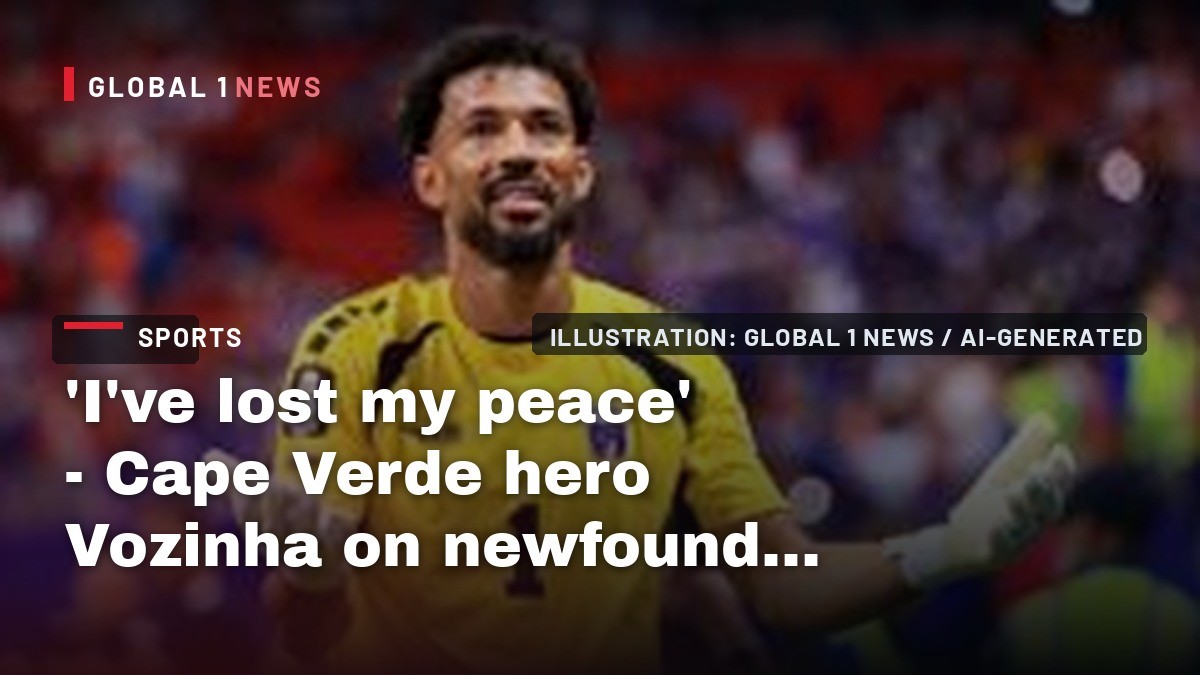
When Cape Verde’s 40‑year‑old goalkeeper, affectionately known as Vozinha, stepped onto the world stage in June, his performance against the reigning European champions sparked a wave of admiration that still reverberates across the archipelago. Yet behind the thunderous applause and the flood of social‑media followers lies a quieter narrative of a man yearning for the simple rhythms of life he once knew. In the weeks following the World Cup, Vozinha has spoken candidly about the loss of privacy, the sudden surge in public attention, and his hopes that the spotlight might someday translate into tangible progress for his home nation.
From humble beginnings to a global stage
Vozinha’s rise to fame was as rapid as it was unexpected. Prior to the tournament, his social‑media following hovered around fifty thousand—a modest number for a professional athlete from a nation of just over half a million people. The match against Spain, where he “almost single‑handedly kept Spain at bay,” transformed that figure into a staggering tally exceeding one million. The surge was not merely a statistical curiosity; it reflected a collective awe at a goalkeeper who, against all odds, helped Cape Verde secure a historic 0‑0 draw in their World Cup debut.
That moment of parity against a football powerhouse was only the beginning. When Argentina required extra time to edge Cape Verde out of the round of 32, the world’s gaze sharpened, and so did the spotlight on Vozinha. The keeper’s performance against two of football’s most storied nations cemented his status as a viral star, a status that would soon spill over into every facet of his daily life.
The cost of fame: privacy under siege
In a recent conversation with the Observer, Vozinha described his new reality with a quiet resignation: “I’ve lost my peace and tranquillity.” The loss is palpable in the everyday moments that once went unnoticed. A simple visit to a restaurant now invites a chorus of cameras, phones, and eager fans clamouring for photographs or autographs. “Now I go out, I go to a restaurant, and there’s always someone who wants to take a photo with me or asks me for an autograph. Or, worse, someone is filming me,” he said, underscoring the relentless intrusion that accompanies his newfound celebrity.
The erosion of privacy extends beyond the goalkeeper himself. His mother, who could not initially afford a visa to witness her son’s World Cup debut, found herself thrust into the public eye after a U.S. political figure intervened to waive the visa fee. Since then, fans have visited her daily, seeking conversation or a snapshot with the family. This intimate glimpse into his personal life illustrates how fame can ripple outward, affecting those closest to the individual.
Balancing ambition with authenticity
Vozinha’s reflections reveal a nuanced perspective on fame. While he acknowledges the allure of a public profile, he cautions against the one‑sided glamour that often masks the challenges it brings. “A lot of people want to be famous and have a public profile, but they only see the positive side of that reality,” he observed. The keeper’s honesty offers a rare counterpoint to the often‑unquestioned celebration of celebrity, reminding us that public adulation can come at a personal cost.
When asked whether he would trade his current life for the quieter days before the tournament, Vozinha’s answer was unequivocal: “If I were offered the life I have today or the life I had before, I’d choose the one I had before.” This sentiment underscores a deep-rooted connection to his origins, a sentiment that resonates with many Africans who navigate the tension between global recognition and local belonging.
From individual heroics to collective ambition
Beyond personal reflections, Vozinha’s achievements have sparked a broader conversation about national development. His performances earned him a nomination for men’s goalkeeper of the year at the Ballon d’Or awards—a rare honor for a player from a small island nation. Yet he consistently frames his success as a collective triumph. “It’s nice to feel like a kind of ambassador, but I want to make it clear that what we achieved was a collective effort,” he affirmed.
Vozinha’s hope is that the momentum generated by the World Cup can be harnessed for the betterment of Cape Verde’s citizens. He envisions a future where the excitement of the tournament translates into concrete improvements in living conditions, a sentiment that aligns with broader aspirations across the continent to leverage sporting success for socio‑economic progress.
The role of social media in modern African sport
The rapid escalation of Vozinha’s follower count—from fifty thousand to over a million—highlights the transformative power of digital platforms in amplifying African talent. Social media has become a conduit through which athletes from smaller nations can reach global audiences, bypassing traditional gatekeepers. However, this digital visibility also brings heightened scrutiny and pressure, as evidenced by the constant presence of cameras and the relentless demand for personal interaction.
Vozinha’s experience serves as a case study for the continent’s emerging sports stars: the same platforms that can catapult a player to worldwide fame also expose them to a level of public intrusion previously reserved for athletes from larger markets. Navigating this duality will be a defining challenge for the next generation of African athletes seeking to balance personal well‑being with the opportunities afforded by a hyper‑connected world.
Political gestures and their impact
The intervention by U.S. House Democratic Leader Hakeem Jeffries, who announced the waiver of the visa fee for Vozinha’s mother, illustrates how political goodwill can intersect with sporting narratives. While the gesture was a compassionate response to a personal hardship, it also underscored the global resonance of Cape Verde’s World Cup story. Such moments can elevate a nation’s profile on the international stage, potentially opening doors for diplomatic and economic engagement.
Yet the episode also reminds us that the benefits of fame are not evenly distributed. While Vozinha’s mother received the assistance needed to travel, countless other families across Africa continue to face barriers to mobility and opportunity. The contrast invites reflection on how the goodwill generated by sporting triumphs might be channeled into broader policies that address systemic challenges faced by ordinary citizens.
Looking ahead: hope, humility, and the promise of change
As the dust settles on the 2026 World Cup, Vozinha stands at a crossroads. He carries the admiration of millions, the weight of a nation’s hopes, and the personal longing for the peace he once knew. His words—rooted in humility and a desire for collective uplift—offer a roadmap for how African athletes might navigate fame responsibly.
In the months and years to come, the true measure of Vozinha’s legacy will be whether the surge of attention can be transformed into lasting benefits for Cape Verde. If the momentum generated on the pitch can be harnessed to improve infrastructure, education, and health services, then the story of a goalkeeper who once “almost single‑handedly kept Spain at bay” will evolve into a narrative of national renewal. Until then, the keeper’s heartfelt yearning for tranquillity serves as a poignant reminder that behind every viral moment lies a human being yearning for the simple joys of everyday life.
This article was produced with AI-assisted research and editorial support. Reporting is based on the source material cited below. Sources: BBC News Africa; bbc.co.uk; Global1.News (29 September 2026).
By Amara Diop, Staff Writer
What's Your Reaction?
 Like
0
Like
0
 Dislike
0
Dislike
0
 Love
0
Love
0
 Funny
0
Funny
0
 Wow
0
Wow
0
 Sad
0
Sad
0
 Angry
0
Angry
0

West Africa/Sahel Correspondent at Global1.News. Dakar-based journalist covering politics, security, climate, and development across Francophone and Anglophone West Africa. Tells the stories of a region undergoing profound transformation.












Comments (0)