
Fuel Prices Roll Back This Week, But LPG and Fare Tensions Remain
Fuel prices roll back Aug 4 with diesel down P0.60, gasoline P0.73, kerosene P2.09 per liter, but LPG rises P40.38 per 11-kg cylinder. Transport groups press fare petitions at LTFRB, and Manibela plans a three-day strike from Aug 10-12 while Malacañang weighs a provisional fare hike.
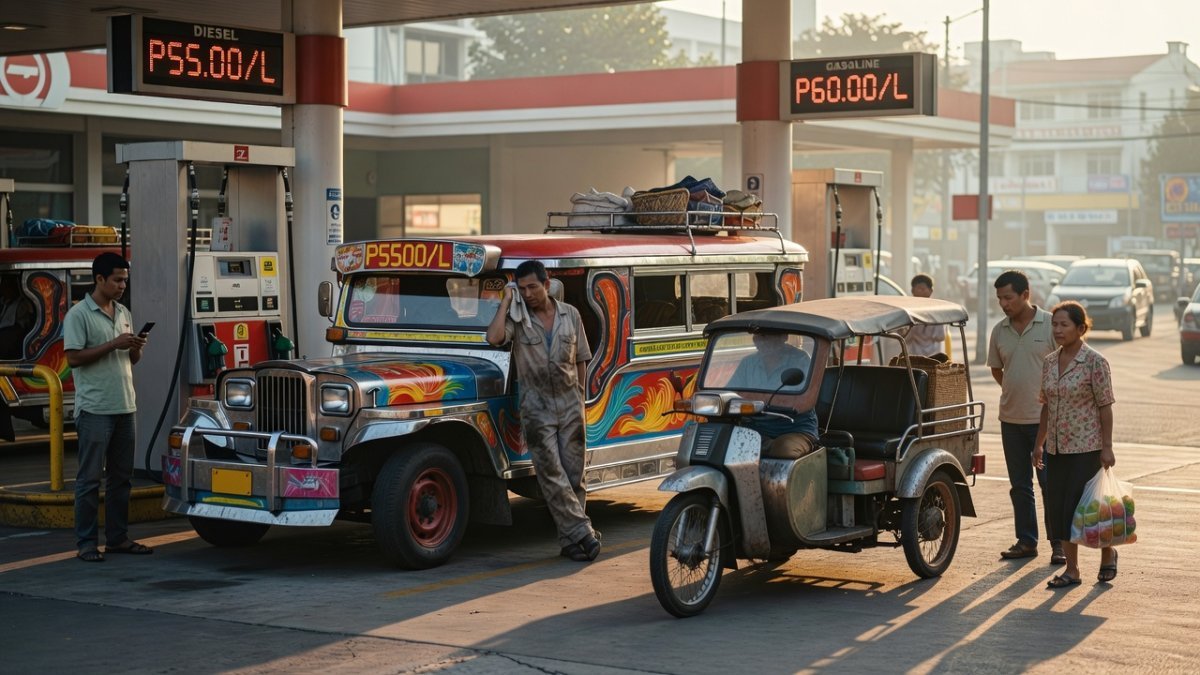
Details of the August 4 Price Adjustments
The Department of Energy outlined specific changes effective Tuesday, August 4. Diesel will drop by P0.60 per liter, gasoline by P0.73 per liter, and kerosene by P2.09 per liter. These centavo-level reductions follow larger hikes the previous two weeks, including gasoline up P6.80 per liter and diesel up P7.32 per liter.
Officials attributed the latest movements directly to shifts in global supply tied to the West Asia situation. The agency made the announcement Monday afternoon, giving fuel stations time to update their boards before the Tuesday rollout. Commuters in Metro Manila and provincial areas will see these changes reflected at stations serving jeepneys, tricycles, and private vehicles alike.
LPG Price Increase Adds Household Strain
Alongside the fuel rollbacks, liquefied petroleum gas prices rose by P3.67 per kilogram. For a standard 11-kilogram cylinder, this translates to an added P40.38 cost. Many families rely on these cylinders for daily cooking, especially in urban poor communities and rural barangays where electric stoves remain uncommon.
The increase hits sari-sari store owners and home-based food vendors particularly hard. In places like Quezon City and Cebu City, mothers who prepare packed meals for schoolchildren or sell snacks to neighbors now face tighter margins. This compounds the effects of earlier fuel spikes that already raised the cost of transporting goods to local markets.
While the modest reductions at the pump offer some relief for transport, the rise in cooking-fuel prices creates a separate strain that many households feel more directly in their kitchens. This contrast leaves families balancing limited savings on gasoline or diesel against the steady climb in expenses for preparing food each day.
The timing adds to the challenge, as households adjust budgets during the back-to-school period when additional meals and packed lunches become part of the weekly routine for urban poor communities and rural barangays alike.
LTFRB Meets Transport Groups on Fare Petitions
The Land Transportation Franchising and Regulatory Board held discussions Monday with seven transport groups representing jeepney, UV Express, taxi, and motorcycle taxi operators. The meeting addressed petitions for fare adjustments following the recent fuel price surges. LTFRB Chair Vigor Mendoza II led the session, though no final decision was released by Monday afternoon.
The fare petition process involves five transport groups that filed requests reported on July 31, with Manibela seeking an increase of P2 and Piston seeking P10 on the current P13 jeepney minimum fare. The LTFRB continues to review these petitions while balancing the need for commuter affordability against the viability of operators who have faced weeks of elevated fuel costs.
Drivers note that even the small savings from this week's rollbacks do not fully offset the cumulative impact of earlier price surges, leaving the board to weigh how any adjustment might ripple through to commuters who count on predictable fares. A provisional fare increase, if granted, would directly affect daily wage earners who rely on public transport for work and errands, potentially stretching already tight household budgets.
Manibela Schedules Three-Day Transport Strike
Manibela chairperson Mar Valbuena stated after the hearing that the request for a provisional fare increase remains unresolved because Malacañang is still deciding. The group announced a three-day transport strike set for August 10 to 12 to press their case. This follows earlier actions by the same organization over fuel and fare issues.
Previous strikes prompted the Department of Transportation to roll out free ride programs to assist stranded commuters. Local government units in affected areas often coordinate with barangay captains to manage traffic and provide alternative options during such periods. The upcoming action could again disrupt routes used by students heading to classes and workers traveling to offices and factories.
The planned three-day transport strike could affect students, workers, and hospital staff who depend on regular jeepney and other public routes to reach schools, offices, and medical facilities. Local government units and barangay captains are coordinating alternative options to help manage movement during the period.
Families are already considering adjustments such as leaving home earlier, sharing rides through carpooling, or relying on bayanihan networks to navigate the disrupted days. These preparations reflect the practical steps communities take when strikes interrupt daily commutes, especially for those with fixed schedules tied to education and employment.
Impact on Ordinary Filipinos and Local Communities
Jeepney drivers in Manila and surrounding provinces describe the recent price swings as exhausting. Many spend extra hours on the road to cover fuel expenses while supporting families that include school-age children and elderly relatives. The modest rollback this week offers limited comfort when LPG costs for home cooking continue to climb.
In provinces like Batangas and Davao, tricycle operators who ferry passengers from barangay centers to main roads face similar calculations. A single P0.60 savings per liter of diesel does not fully cover the gap left by earlier jumps. Families in these areas often rely on bayanihan networks to share rides or pool resources during periods of high transport costs.
For market vendors and small business owners, the picture is mixed. Lower diesel costs ease the price of delivering goods, but the higher LPG price directly raises the cost of cooking food sold in carinderias and roadside eateries. A vendor who boils rice and simmers viand for customers must absorb both the transport savings and the cooking-fuel increase, with margins often too thin to pass either cost along quickly.
The effects also reach households that do not own vehicles. Families that budget jeepney fares for every trip to school, work, or the public market watch fare petitions closely because any approved increase would arrive just as LPG costs are climbing. For minimum-wage earners in Metro Manila, where daily rates remain below P755 after a court halted the scheduled wage hike, every peso of added transport or cooking cost competes with food and rent in the same weekly envelope.
Broader Context for Philippine Economy and Daily Life
Fuel price volatility affects not only transport but also the movement of agricultural products from farms to urban markets. Higher costs ripple through to sari-sari stores and fiesta preparations, where communities gather around shared meals. Overseas Filipino Workers sending remittances home feel indirect pressure when household expenses for cooking fuel and commuting rise.
The Bangko Sentral ng Pilipinas forecast places July inflation between 5.6 percent and 6.6 percent, with fuel and LPG costs contributing to higher food prices and transport expenses that move through the supply chain. Agricultural goods traveling from farms to markets face added costs that eventually reach sari-sari stores and household tables.
These pressures highlight the interconnected nature of energy costs and everyday life, from rural producers to urban consumers who feel the impact in both their food budgets and travel routines. For now, commuters watch both pump prices and Malacañang deliberations closely as they plan their weekly budgets.
By Bella Reyes, Staff Writer
This article was produced with AI-assisted research and editorial support. Reporting is based on sources cited in the article.
What's Your Reaction?
 Like
0
Like
0
 Dislike
0
Dislike
0
 Love
0
Love
0
 Funny
0
Funny
0
 Wow
0
Wow
0
 Sad
0
Sad
0
 Angry
0
Angry
0

Philippines/Southeast Asia Correspondent at Global1.News. Manila-based journalist covering Philippine politics, environment, maritime security, and social issues. Passionate about marine conservation and the communities protecting the Philippines' natural heritage.















Comments (0)