
Deon Botes Receives Four-Year SAIDS Ban for Nandrolone
Former Blue Bulls prop Deon Botes has been handed a four-year ban by the South African Institute for Drug-Free Sport after testing positive for the anabolic steroid nandrolone at the 2025 U18 Craven Week.
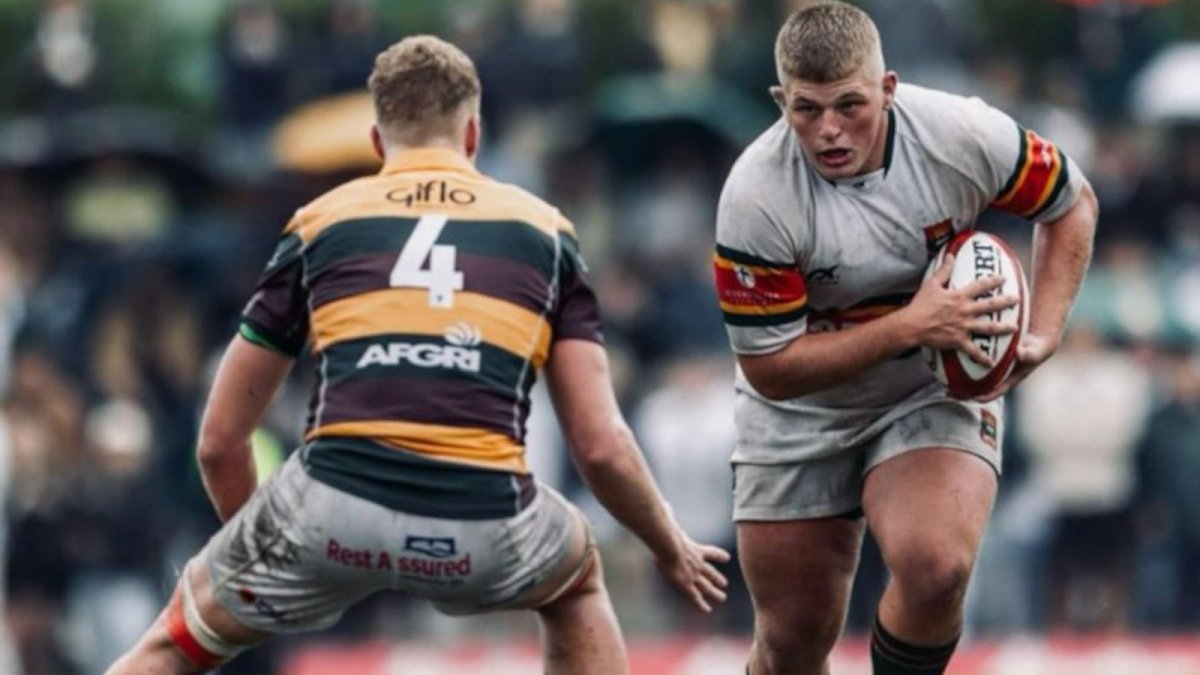
Four-Year Ban for Former Blue Bulls Prop
Former Blue Bulls prop Deon Botes has been handed a four-year ban by the South African Institute for Drug-Free Sport after testing positive for the anabolic steroid nandrolone at the 2025 U18 Craven Week. The sanction, announced following a hearing on 11 June 2026, rules the 2025 matriculant from Afrikaanse Hoër Seunskool ineligible until 25 August 2029.
Botes, who represented the Blue Bulls at the tournament in Middelburg, Mpumalanga, on 7 July 2025, provided a urine sample that contained the nandrolone metabolites 19-norandrosterone and 19-noretiocholanolone. He later played for the SA Schools 'A' side before the result came to light.
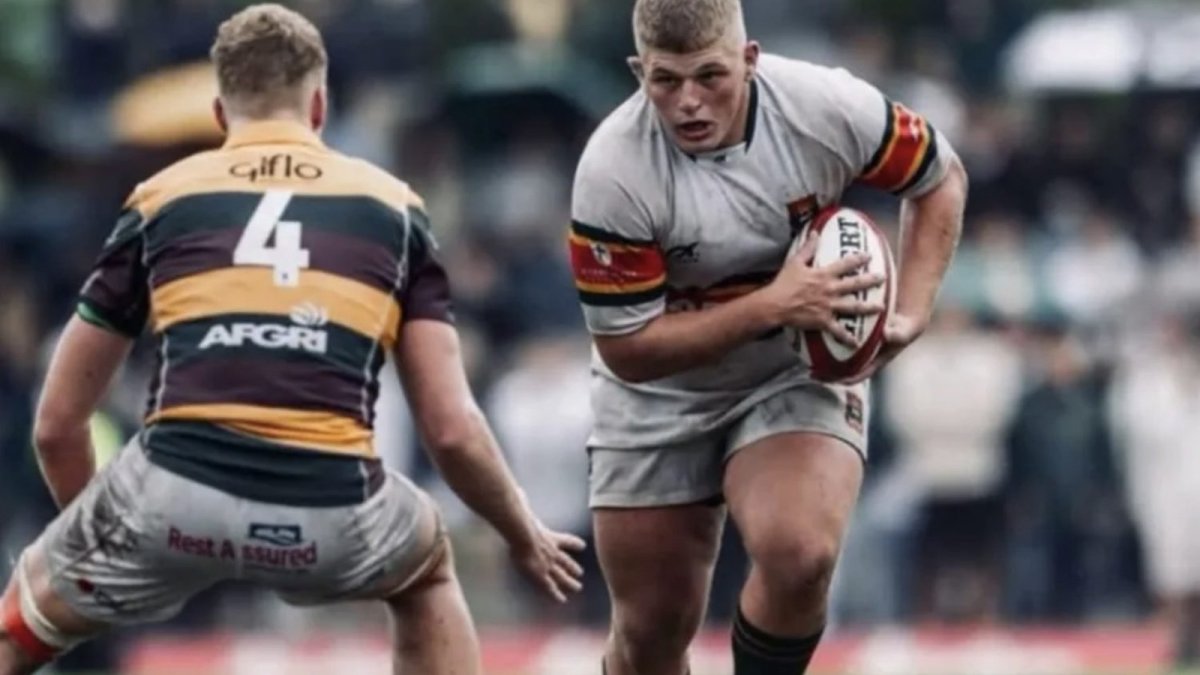
The case has sent ripples through South African school rugby, a pathway that has long fed talent into the Springboks and provincial structures. Craven Week remains the premier stage where future national players are identified, making any doping violation here particularly sensitive for the sport's governance bodies.
The Test, the B-Sample, and the Hearing
Botes requested analysis of his B-sample after the initial positive result. The second sample confirmed the presence of the prohibited substance, and he did not contest the laboratory findings or the collection process. An Independent Doping Hearing Panel convened on 11 June 2026 to consider the case.
SAIDS imposed the standard four-year period of ineligibility, backdated to the provisional suspension date of 25 August 2025. This leaves Botes eligible to return on 25 August 2029. The panel noted that the athlete and his family presented evidence sincerely but failed to establish how the substance entered his system.
The decision follows World Anti-Doping Agency guidelines for anabolic agents, which carry a four-year sanction when intent is not disproven. SA Rugby and school structures will now monitor how this affects selection pools for future age-group sides.
For a teenager stepping into the senior pathway, the WADA-mandated B-sample confirmation locks in the finding without room for procedural doubt, turning what might feel like a schoolboy mistake into a career-altering reality. The backdating of the ban to the 25 August 2025 provisional suspension means the time Botes has already spent out of the game counts toward his four-year term, with eligibility arriving on 25 August 2029. This sanction under Category S1 for anabolic agents signals that anti-doping bodies treat nandrolone metabolites like 19-norandrosterone as deliberate performance enhancers, not accidental traces, because they directly boost muscle recovery and power in a contact sport like rugby.
SA school rugby fans know the Craven Week spotlight can launch a player toward provincial contracts and even Springbok consideration, yet the same process now enforces the same strict timeline on a matriculant as it would on a professional. The detection of these specific metabolites means the substance lingered long enough to be caught in targeted testing, underscoring that SAIDS applies the full WADA weight even at junior level to protect the integrity of the national pathway.
The 'Testojoint' Defence That Failed
Botes maintained he had not deliberately doped. He told the panel he had been taking a product called "Testojoint" to manage shoulder pain and aid recovery, purchased for cash by his father from an unidentified seller outside a pharmacy.
The supplement carried the label "Ultimate Test Booster" but came without a receipt, manufacturer details, batch number or expiry date. Botes said he started using it in April 2025 and increased intake to three to five capsules per week in June, possibly carrying some in a pillbox to Craven Week.
The panel accepted the sincerity of the evidence but ruled it did not explain the positive test. This outcome highlights the dangers of informal supplement markets that operate without proper quality controls, a known risk for young athletes chasing recovery and performance gains.
Young South African players chasing recovery often turn to informal sellers outside pharmacies for quick-fix "test boosters," but without batch numbers or manufacturer traceability these products carry hidden contamination risks that no parent can verify on the spot. The cash transaction and missing expiry details strip away any safety net, leaving the athlete exposed when the substance turns out to be something far stronger than labelled. This case shows how the informal supplement trade thrives around school tournaments, where pressure to play through pain meets easy access to unregulated stock.
Parents and school programmes must now treat every cash purchase as a potential career risk, because SAIDS panels will not accept good intentions when the chain of custody is broken. Grassroots education by unions like the Blue Bulls needs to reach beyond elite squads and into every Affies or similar powerhouse school to close this gap before more matriculants fall into the same trap.
A Growing Pattern in Junior Rugby
The Botes case follows the three-year ban handed to Wits loose forward Liam Santos earlier this year for a separate anti-doping violation. It also comes as Junior Springboks prop Kai Pratt considers whether to request his B-sample after a positive test at the Sanzaar U20 Rugby Championship in April 2026.
These incidents have drawn renewed international scrutiny, with some overseas reports again linking South African rugby to doping concerns. SAIDS continues to conduct targeted testing at major junior tournaments, including Craven Week and age-group internationals.
Provincial unions and school programmes are under pressure to strengthen education around prohibited substances. The Blue Bulls, like other unions, have invested in player welfare, yet cases like this show the challenges remain real at the schoolboy level.
Three junior cases inside a single year, from Liam Santos at Wits to the pending Kai Pratt matter at the Sanzaar U20 Championship, point to a testing net that is finally catching violations rather than a sudden spike in deliberate doping. The contrast between Santos's three-year ban and the standard four-year anabolic sanction here highlights how SAIDS tailors outcomes to the substance, yet the pattern still raises questions about whether education on prohibited lists is reaching schoolboy level fast enough.
Provincial structures and SARU must balance intensified testing with practical workshops that explain real-world supplement dangers, or the scrutiny will only grow. The pathway that feeds the Springboks cannot afford repeated headlines that question whether the next generation is being protected or simply policed after the fact.
What This Means for School Rugby in South Africa
Craven Week has always been more than a tournament; it is the traditional nursery for Springbok talent and a point of national pride. When a player from a powerhouse school like Affies receives such a sanction, it forces conversations about supplement education and the pressures on teenagers.
SAFA, CSA and SARU have all emphasised clean sport in recent years, yet the informal supplement trade continues to expose young athletes. Grassroots development programmes run by SASCOC and provincial bodies now face added responsibility to teach players about batch-tested products and the risks of cash purchases.
Fans and parents watching the next generation will rightly ask how the sport protects its brightest prospects. Transformation goals and national unity through rugby depend on trust that the pathway remains fair and drug-free.
Every sanction at this level forces unions and headmasters to confront how performance pressure on teenagers collides with easy access to risky products. Schools and provincial bodies now carry direct responsibility for embedding batch-tested supplement guidance into daily training, not just as an afterthought before tournaments.
Transformation targets and the trust that underpins grassroots development both suffer when the pathway appears uneven. Parents and supporters will keep asking whether the next wave of talent is being equipped to stay clean, because the long-term health of the game depends on that confidence as much as on results on the field.
What to Watch For
Attention now turns to how SARU and SAIDS handle education campaigns ahead of the 2026 Craven Week and other age-group events. Clearer guidance on approved supplements could reduce future incidents.
Supporters will also monitor Kai Pratt's decision on his B-sample and any further updates from SAIDS on junior testing numbers. The four-year ban for Botes serves as a stark reminder that the consequences for even unintentional violations are severe and long-lasting.
By Dante Williams, Staff Writer
This article was produced with AI-assisted research and editorial support. Reporting is based on sources cited in the article.
What's Your Reaction?
 Like
0
Like
0
 Dislike
0
Dislike
0
 Love
0
Love
0
 Funny
0
Funny
0
 Wow
0
Wow
0
 Sad
0
Sad
0
 Angry
0
Angry
0

Breaking News and Investigations Correspondent at Global1.News. Based in London, covering global breaking news, security, and investigative stories. Known for digging deeper and connecting the dots across continents.













Comments (0)