
Experts Warn of Copycat Risk as Schools Resume After Two Fatal Shootings
MANILA — In an ANC 24/7 report aired this weekend, Filipino psychologists and media practitioners raised a sobering concern: the school shootings in Zamboanga City and Tacloban City could happen again. Weeks after the second attack, the copycat effect remains a live worry as schools across the country resume activities following grief counseling and safety reviews.
MANILA — In an ANC 24/7 report aired this weekend, Filipino psychologists and media practitioners raised a sobering concern: the school shootings in Zamboanga City and Tacloban City could happen again. Weeks after the second attack, the copycat effect remains a live worry as schools across the country resume activities following grief counseling and safety reviews. The warning comes as educators, parents, and students try to make sense of two tragedies that have shaken the nation's confidence in the safety of its classrooms.
Experts Warn of Copycat Risk as Schools Resume After Two Fatal Shootings
Manila, Philippines – Sunday, September 6 — Two fatal school shootings in eight weeks have pushed Filipino psychologists and media practitioners to warn that the Zamboanga City and Tacloban City tragedies could be repeated, with experts urging schools, parents and newsrooms to treat the copycat risk as an active threat.
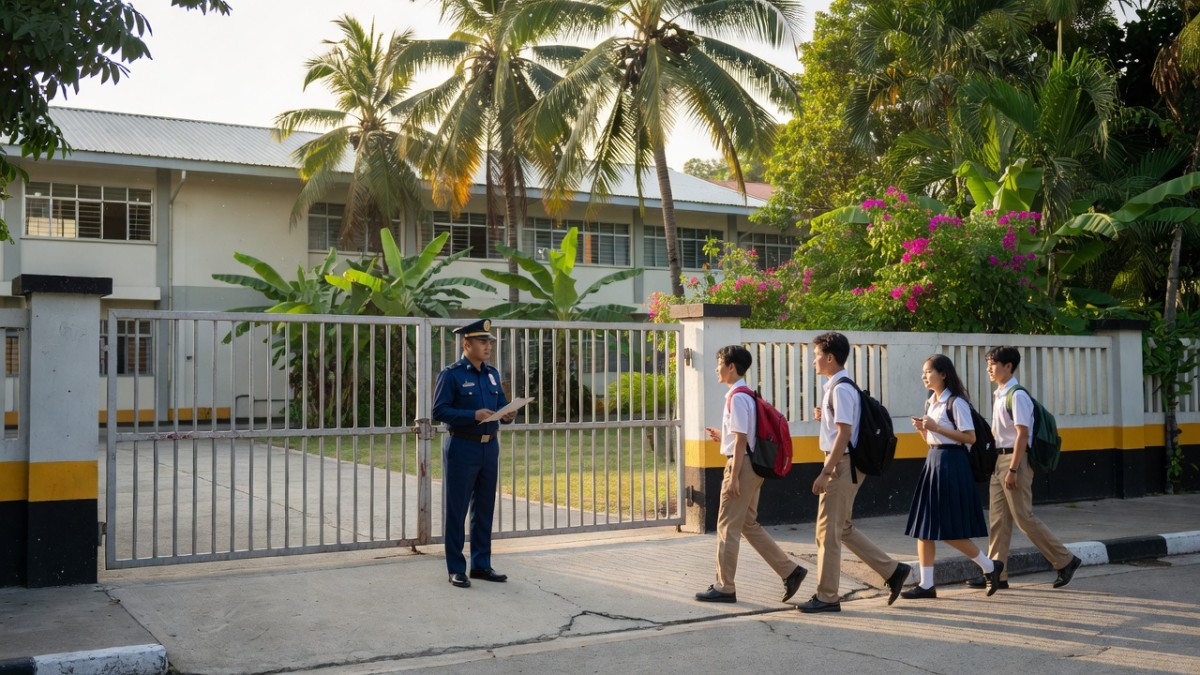
Two Attacks, Eight Weeks Apart
The first incident occurred on June 22 at San Jose National High School in Barangay San Jose, Tacloban City, Leyte. Two minors — a 14-year-old and a 15-year-old — opened fire inside classrooms, killing three students and wounding 20 others. Authorities believe the attack was motivated by a grudge over alleged bullying. The 14-year-old used a 9mm pistol registered to his aunt, Police Staff Sergeant Arla Ray Pacencia. The Tacloban City prosecutor recommended charges of reckless imprudence resulting in multiple homicide and physical injuries against her, and the information was filed with the Family Court of the Regional Trial Court of Tacloban.
The 15-year-old used a .38-caliber revolver registered to a Cebu-based security agency. The Department of Justice said the gun's owner was indicted for criminal negligence, an announcement made by Justice Secretary Fredderick Vida at a House budget hearing in August. The Philippine National Police filed complaints against the older minor for three counts of murder, frustrated murder, and multiple counts of serious physical injuries. The younger minor is exempt from criminal liability and is under a mandatory intervention program.
Just eight weeks later, on August 18 at around 7:45 a.m., a shooting at the Ateneo de Zamboanga University Junior High School in Zamboanga City killed Grade 10 student Patrick Dylan Wee, 15, and injured 23 others. The alleged perpetrator, a Grade 8 student later identified by police as Mohammad Mael Jalani, was the son of the district commander of the Bureau of Customs (BOC) Enforcement and Security Service at the Port of Zamboanga. Investigators said he brought firearms into the campus in his father's car, bypassing school security.
The Weapons and the Investigation
Jalani used two firearms: a 9mm pistol fitted with a modification kit — initially mistaken for a high-powered rifle — and a Glock 22 .40-caliber pistol. One was a BOC-issued service firearm entrusted to his father; the other was a personally owned firearm. The alleged shooter livestreamed part of the attack on Facebook before dying by suicide. Zamboanga City Mayor Khymer Adan Olaso suspended classes, and the university declared a day of mourning and prayer.
Interior Secretary Jonvic Remulla said Jalani was described as top of his class with no recorded history of bullying. On August 27, the DILG said he had visited websites promoting Satanism, nihilism, antisemitism, and anti-LGBT rhetoric but found no conclusive evidence of influence by extremist organizations. Investigators ruled out an established school-related or personal grievance as motive. The BOC suspended and relieved the father and ordered a bureau-wide firearms inventory and investigation. President Ferdinand R. Marcos Jr. ordered a thorough investigation into the shooting.
Psychiatrist Warns of Copycat Effect
Psychiatrist Dr. Randy Dellosa, speaking on ANC's Headstart after the Zamboanga shooting, said the incident was alarming because it was the second fatal school shooting in the Philippines in less than two months. He warned of a possible copycat effect and listed warning signs investigators and families should watch: "leakage of intention" — a potential perpetrator telling someone about plans to commit violence, in person or online — acute grievance, access to weapons, fascination with past shootings, and possible grooming or influence from an online community.
Dellosa cautioned against immediately blaming video games after reports that the student played Counter-Strike, noting that many players do not become shooters. He urged parents to treat firearm security with the highest caution: "Keep your weapons as if you have an adolescent who is determined to get it." He also warned that repeated exposure to the perpetrator and footage of the attack emboldens other potential shooters, that a perpetrator could be perceived as a "hero" by vulnerable individuals, and that copycat risk can peak within weeks after an incident. He urged media to minimize attention given to the perpetrator and avoid excessive detail about how the attack was carried out.
Psychologists: Prevention Requires More Than Security
This weekend's ANC 24/7 interviews with psychologists echoed Dellosa's concerns, emphasizing that the Zamboanga and Leyte school shootings could be repeated if preventive measures are not strengthened. The experts offered practical guidance for schools, parents, and communities. Safer schools require psychological measures AND security measures, not just classroom teaching. Students should be encouraged to tell teachers about "troubled" classmates because it might save lives. Parents can guide children online through communication and trust rather than surveillance alone. Video games should not be treated as a standalone cause. And the Philippines needs strategies to counter syndicates that target minors online.
These recommendations come as students in Zamboanga returned to wellness-focused alternative learning activities from September 1 to 4 as part of a gradual resumption. The university declared a day of mourning and prayer after the attack, and the Department of Education coordinated with mental health partners to provide psychological first aid and psychosocial support. DepEd also urged the public not to share unverified information or sensitive photos and videos because minors were involved.
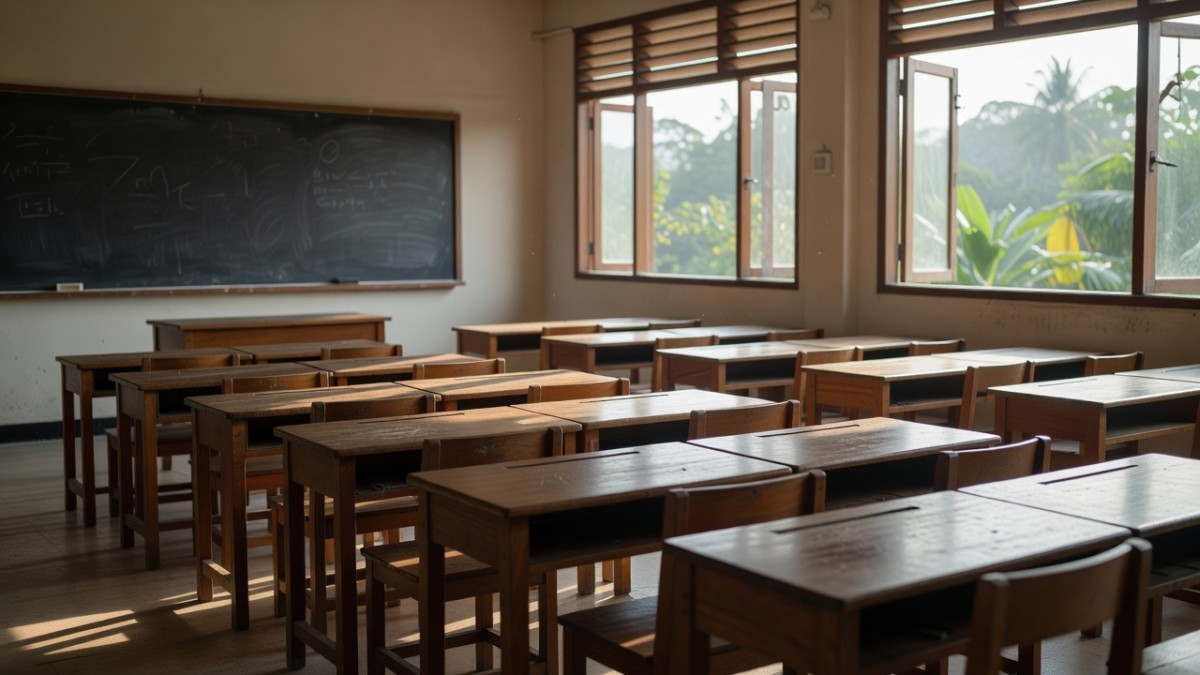
Media's Role in Preventing Copycats
Media scholar and practitioner Danilo Arao, also on ANC, addressed the delicate balance between informing the public and preventing further violence. He said newsrooms must vet what needs to be told and what should be made prominent, must connect issues to the bigger picture, and should not amplify content merely because it is on social media. He added that responsible "gatekeeping" is not censorship.
The PNP has already ordered the takedown of school-shooting videos. Telcos including PLDT, Smart, and Globe moved to block sites streaming school-shooting and violent content. Senator Robin Padilla called on Meta to remove videos and photos of the Zamboanga shooting. Facebook suspended the alleged shooter's account on the day of the incident. These actions reflect a growing recognition that how the public consumes information about such tragedies can influence whether they are repeated.
Adult Accountability at the Center
School shootings are rare in the Philippines, which has relatively strict gun-ownership regulations including background checks and psychological evaluation requirements. However, illegal and loosely secured firearms remain a problem. In both attacks, the firearms came from adults: a policewoman's service pistol in Tacloban and a Customs official's service and personal firearms in Zamboanga. This makes adult accountability a central thread in both cases.
The Tacloban prosecutor's recommendation to charge Police Staff Sergeant Arla Ray Pacencia with reckless imprudence resulting in multiple homicide and physical injuries underscores the legal consequences for adults whose firearms fall into the wrong hands. Similarly, the DOJ's indictment of the Cebu-based security agency owner for criminal negligence in connection with the .38-caliber revolver used in the same attack signals that gun owners can be held responsible for how their weapons are secured.
In Zamboanga, the BOC's decision to suspend and relieve the father of the alleged shooter, along with the bureau-wide firearms inventory and investigation, reflects the seriousness with which authorities are treating the breach of trust. The fact that a BOC-issued service firearm and a personally owned firearm were both brought into a school campus in the father's car raises difficult questions about oversight and accountability within government agencies.
Impact on Students, Parents, and Teachers
The two attacks, roughly eight weeks apart, have shaken parents and students nationwide and pushed school safety and student mental health up the national agenda. For students like those at San Jose National High School and Ateneo de Zamboanga University Junior High School, the return to classes has been marked by grief, anxiety, and a new awareness of vulnerability. Teachers have had to balance academic instruction with emotional support, often without formal training in trauma response.
Parents, too, face new challenges. The experts' advice to guide children online through communication and trust rather than surveillance alone reflects a broader shift in how Filipino families are approaching digital safety. With the alleged Zamboanga shooter having visited websites promoting extremist ideologies, parents are being urged to stay engaged with their children's online lives without resorting to heavy-handed monitoring that could drive them further into isolated spaces.
For barangay-level communities, the incidents have sparked conversations about mental health resources and the importance of looking out for one another. The experts' call for students to tell teachers about "troubled" classmates is a reminder that prevention often starts with a single conversation. In a country where mental health services remain limited, especially outside major urban centers, these informal support networks can be lifelines.
Moving Forward: A National Conversation
As the nation processes these tragedies, the experts' warnings serve as a call to action. The copycat effect is not inevitable, but it requires vigilance. Schools must implement both psychological and security measures. Parents must secure their firearms and stay engaged with their children. Media must exercise responsible gatekeeping. And government agencies must ensure that adults who fail in their duties are held accountable.
The Department of Education's coordination with mental health partners after the Zamboanga shooting is a positive step, but experts say more sustained efforts are needed. The gradual resumption of classes in Zamboanga with wellness-focused activities rather than immediate academic pressure reflects an understanding that healing takes time. Whether similar approaches will be adopted nationwide remains to be seen.
President Marcos Jr.'s order for a thorough investigation into the Zamboanga shooting signals that the issue has reached the highest levels of government. But as the psychologists and media practitioners interviewed by ANC this weekend made clear, preventing the next tragedy will require action at every level of society — from the halls of Congress to the living rooms of Filipino families.
By Bella Reyes, Staff Writer
This article was produced with AI-assisted research and editorial support. Sources: ANC 24/7, ABS-CBN News, GMA News Online, The Philippine Star, Philippine Daily Inquirer, Rappler, Philippine News Agency, BusinessWorld.
What's Your Reaction?
 Like
0
Like
0
 Dislike
0
Dislike
0
 Love
0
Love
0
 Funny
0
Funny
0
 Wow
0
Wow
0
 Sad
0
Sad
0
 Angry
0
Angry
0

Philippines/Southeast Asia Correspondent at Global1.News. Manila-based journalist covering Philippine politics, environment, maritime security, and social issues. Passionate about marine conservation and the communities protecting the Philippines' natural heritage.












Comments (0)