
Lured into an online scam network, an African man spent almost a year in Cambodia trying to go home
In the gentle glow of a Bangkok evening, the story of a 33‑year‑old Ghanaian man who spent almost a year in Cambodia’s shadowy scam compounds reads like a modern parable of suffering and resilience.
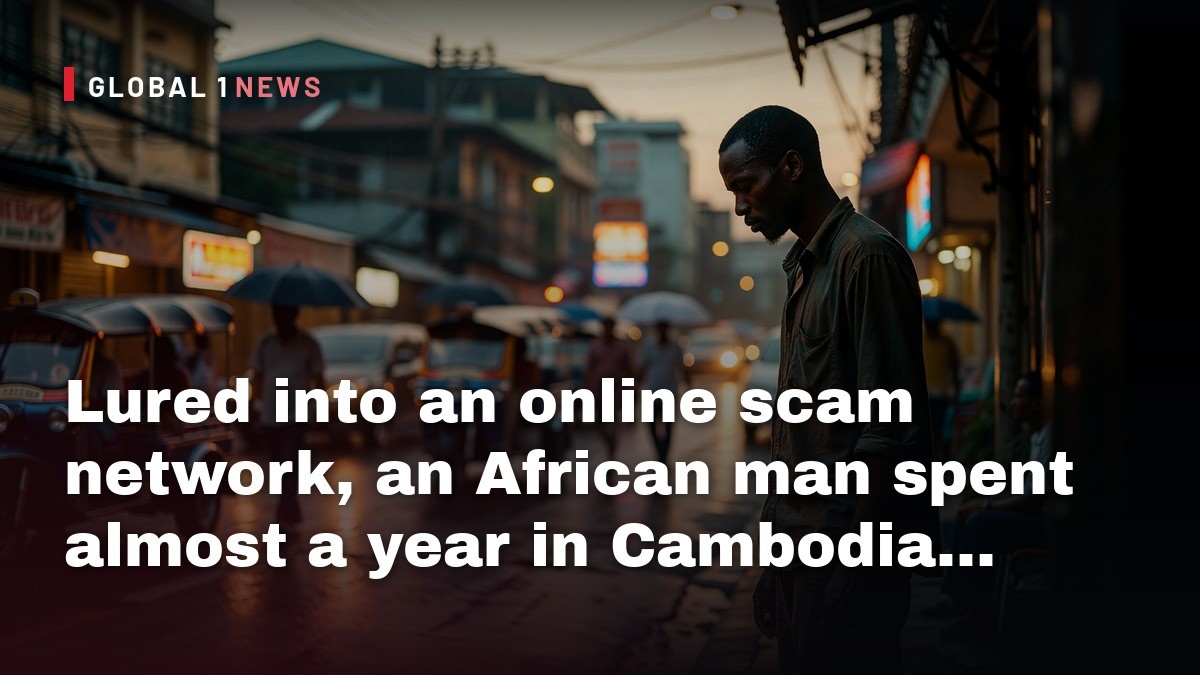
In the gentle glow of a Bangkok evening, the story of a 33‑year‑old Ghanaian man who spent almost a year in Cambodia’s shadowy scam compounds reads like a modern parable of suffering and resilience. His journey, marked by false promises, brutal abuse and a long trek back home, mirrors the plight of countless migrants caught in Southeast Asia’s hidden human‑trafficking webs. It also forces us to reflect on how Buddhist teachings of compassion and the Thai tradition of caring for the vulnerable intersect with the region’s growing fight against online fraud.
From a Dream Job to a Dark Prison
In November 2025 the Ghanaian graduate boarded a flight to Phnom Penh after being offered a receptionist position that promised $1,000 a month—a sum far above what he could earn back home. The promise included accommodation and food, a tempting lure for a man who had been working as a farmer while supporting a family of four. After a brief online interview, the company paid for his visa and ticket, and he arrived with hope in his heart.
Instead of a bright office, he was driven for hours to an unknown location where his passport and cellphone were taken. He was handed a two‑year contract, longer than the one‑year term he had agreed to, and threatened by burly men when he hesitated to sign. The contract turned out to be a gateway into a “chatter” role – a scripted job that required him to lure strangers online with simple greetings, then hand them over to supervisors skilled in emotional manipulation. When he realized the work was a front for a massive fraud operation, he refused, only to be met with brutal beatings, bat strikes and taser shocks.
The Physical and Psychological Toll
For a month the Ghanaian man endured daily beatings that left his left wrist broken and his grip permanently weakened. He was locked in a dark room, isolated from any sense of direction, knowing only that his freedom would cost $6,000. The violence was not a one‑off incident; it was part of a systematic method used by scam compound operators to enforce obedience and silence dissent.
Even after the compound was raided by Cambodian police in January 2026, the scars—both physical and mental—remained. He emerged with a deep sense of shame, fearing his family’s disappointment and the stigma of having been forced into a criminal enterprise. In the Buddhist context, his suffering can be seen as a stark reminder of the principle of “dukkha” (suffering) that pervades life, especially for those caught in the cycle of exploitation.
Scam Networks Across the Mekong: A Growing Crisis
Since the COVID‑19 pandemic, Cambodia, along with neighboring Myanmar and Laos, has become a hub for a multibillion‑dollar online scam industry. Workers are housed in fortified compounds, living in dormitories they are not allowed to leave. According to the watchdog CyberScamMonitor, at least 182 confirmed scam locations exist in Cambodia, with evidence suggesting the number could be around 300.
These operations thrive on deceptive recruitment, often targeting migrants from Africa, Asia and beyond with promises of high‑paying jobs. The Ghanaian man’s experience is emblematic of a broader pattern: false job offers, confiscated documents, and forced labor under the guise of legitimate employment. The scale of the problem is highlighted by reports from neighboring countries—China repatriated over 20,000 workers linked to scam centers, Vietnam received more than 1,700 ex‑workers in the first half of 2026, and Indonesia recorded nearly 13,000 requests for assistance.
Government Crackdown and Its Limits
International pressure mounted after the death of a South Korean student forced into a scam operation in late 2025 and a U.S. indictment of a Chinese‑born founder of a Cambodian cryptocurrency scam. In response, Cambodia intensified its crackdown, raiding dozens of compounds in January 2026 and claiming to have dismantled all larger sites by September 2026. The government announced the seizure of assets worth $1 billion from one alleged network and appealed to Interpol for help tracking 29 ringleaders.
However, critics argue that the crackdown stops short of holding the true power brokers accountable. The U.S. Congress has called for sanctions, noting that senior politicians and relatives of Prime Minister Hun Manet have provided financing, facilities and protection to the scams. While lower‑level operatives face raids, the elites behind the scenes remain largely untouched, leaving the underlying structures of exploitation intact.
Humanitarian Fallout: Stranded Migrants on the Streets
When the raids intensified, tens of thousands of former workers poured into Phnom Penh, many ending up sleeping on the streets. The government’s response was to treat most migrants as offenders rather than victims, offering limited shelter and medical care. According to Li Ling of the Eos Collective, a nonprofit that has assisted 220 stranded workers, there is little evidence of systematic screening for human‑trafficking indicators.
Caritas, a Catholic charity, became the sole refuge for many ex‑workers after the government banned private shelters. The Ghanaian man spent nights on the ground outside Caritas, hoping for a spot. Others, like Ugandan migrant Henry Kyeyune, faced police round‑ups and were detained in facilities such as the “Mango 2” center, where they endured cramped conditions and limited freedom. The lack of a clear pathway home left many migrants in limbo, unable to afford tickets or navigate bureaucratic hurdles.
Pathways Home: NGOs and Diplomatic Efforts
Non‑governmental organizations and foreign embassies have stepped in where state assistance falls short. The Eos Collective helped secure a flight for the Ghanaian man, arranging his removal from the detention center on 14 October 2026. Yet even after returning to Ghana, he remains stranded, unable to travel to his family’s rural home due to lack of money for transport and phone data. His father’s death while he was abroad haunts him, a painful reminder of the personal costs of exploitation.
Embassies from Uganda, Indonesia and other nations have facilitated repatriations, but many migrants lack diplomatic support. Uganda’s ambassador to Malaysia, Betty O. Bigombe, reported assisting over 1,000 former workers, many of whom are Africans lured into the scams. The fragmented nature of assistance underscores the need for a coordinated regional response, rooted in compassion—a value deeply embedded in Thai Buddhist practice.
Looking Forward: Compassionate Policy and Community Resilience
Thailand’s own experience with human‑trafficking and its tradition of “metta” (loving‑kindness) offer a model for how Southeast Asian nations can address the crisis. By integrating community‑based monitoring, offering safe shelters, and ensuring that victims receive medical and psychological care, governments can align policy with the Buddhist ethic of relieving suffering.
For the Ghanaian man and thousands like him, true justice will require more than raids; it demands accountability for the powerful who profit from deception, and a humane system that treats migrants as victims first. As the monsoon rains cleanse the streets of Phnom Penh, the region must also cleanse its borders of the hidden networks that trap hopeful workers in cycles of abuse. Only then can the promise of a better future—once dangled as a $1,000‑a‑month job—be realized without the shadow of exploitation.
This article was produced with AI-assisted research and editorial support. Reporting is based on the source material cited below. Sources: Khaosod English; khaosodenglish.com; Global1.News (06 November 2026).
By Ann Srisawat, Staff Writer
What's Your Reaction?
 Like
0
 Dislike
0
 Love
0
 Funny
0
 Wow
0
 Sad
0
 Angry
0

Southeast Asia Correspondent at Global1.News. Based in Bangkok, covering Thai and Southeast Asian politics, economy, technology, and culture. Deep regional perspective on one of the world's most dynamic regions.














Comments (0)