
He Asked to Be on the Ballot. America Said No.
The Associated Press called the Senate for the Democrats shortly before midnight Eastern as voters repudiated President Donald Trump, handing the party historic wins in Texas, Kansas, South Carolina and Georgia. The House remained uncalled.

Donald Trump was not on the ballot. His party still lost the Senate. The Associated Press called the chamber for the Democrats shortly before midnight Eastern on November 3.
He Asked to Be on the Ballot. America Said No.
Washington, D.C. — Democrats won control of the U.S. Senate and stood on the brink of the House early on November 4, The Associated Press reported, after calling the Senate shortly before midnight Eastern on November 3 and leaving the House uncalled by midnight.
The Call That Ended It
The Associated Press put it in a live-blog headline shortly before midnight Eastern on November 3: "Democrats have won the US Senate, ending Republican dominance in Washington by harnessing voters' frustration with Trump." The wire service's summary, updated after midnight on November 4, went further: Democrats "have won control of the U.S. Senate and are on the brink of taking the House in a widespread repudiation of President Donald Trump and the Republican Party that reached deep into their most loyal territory." Politico timestamped the Senate call at 11:36 p.m. EST. That is a call, not a certificate. The Associated Press notes the United States has no body that collects and releases election results; the wire service compiles tallies and declares winners in nearly 7,000 races. Official certification comes after the counts are final. The Senate result was clear enough for the AP to call. The House was not. Both facts were true on election night.
Six Seats, and a Map That Broke
By The Associated Press's count after midnight, Democrats had flipped six Senate seats. At 11:15 p.m., the same wire had four. Six is the number that matters, because Democrats needed a net gain of four, and at 50-50 Vice President JD Vance holds the tiebreaker — 50 seats would not have been enough. The map broke open in places Republicans had treated as walls. North Carolina went to Roy Cooper, the former governor. New Hampshire sent Chris Pappas, who will be the only openly gay senator. Ohio went to Sherrod Brown, who unseated Jon Husted. Kansas went to Adam Hamilton, a first-time candidate who leads the largest United Methodist church in the country, over incumbent Roger Marshall. Iowa sent Josh Turek. Georgia kept Jon Ossoff. Trump carried Ohio by 11 points and Texas by 14 in 2024, and Democrats won Senate and governor's races in both.
Texas, Where the Wall Came Down
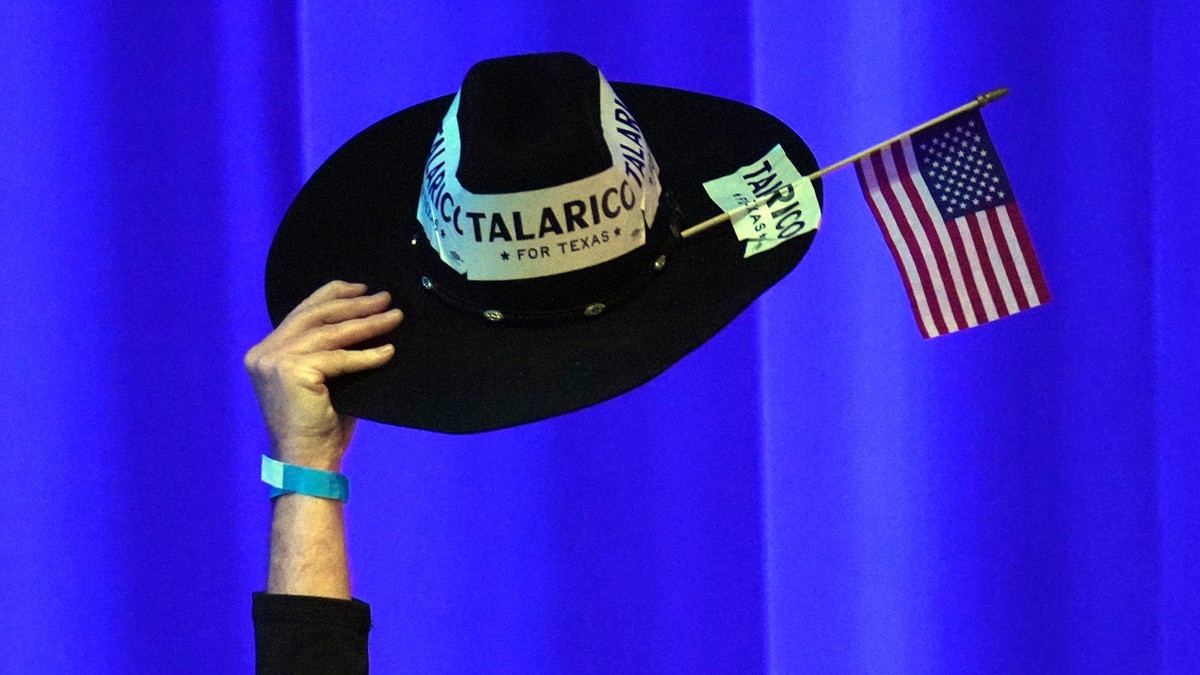
Texas did not just flip a Senate seat. It broke a lock. Democrat James Talarico, a 37-year-old state lawmaker, beat Republican Attorney General Ken Paxton. The Associated Press noted that Talarico "wasn't born the last time a Democrat won a US Senate seat in Texas." The Guardian reported that he was the first Democrat to win a Texas U.S. Senate seat since 1988 and that the race was the most expensive of the cycle. Paxton congratulated Talarico on winning. The Associated Press reported that Trump criticised the Texas governor after the loss — a fight inside the party, on the night of its defeat. The AP Voter Poll found skepticism among Texans about Paxton's character. Talarico ran as the younger, newer face against a statewide Republican brand that had seemed permanent. Texas is still Texas. It is also, for the first time in a generation, a state that sent a Democratic senator to Washington.
South Carolina and the Graham Name
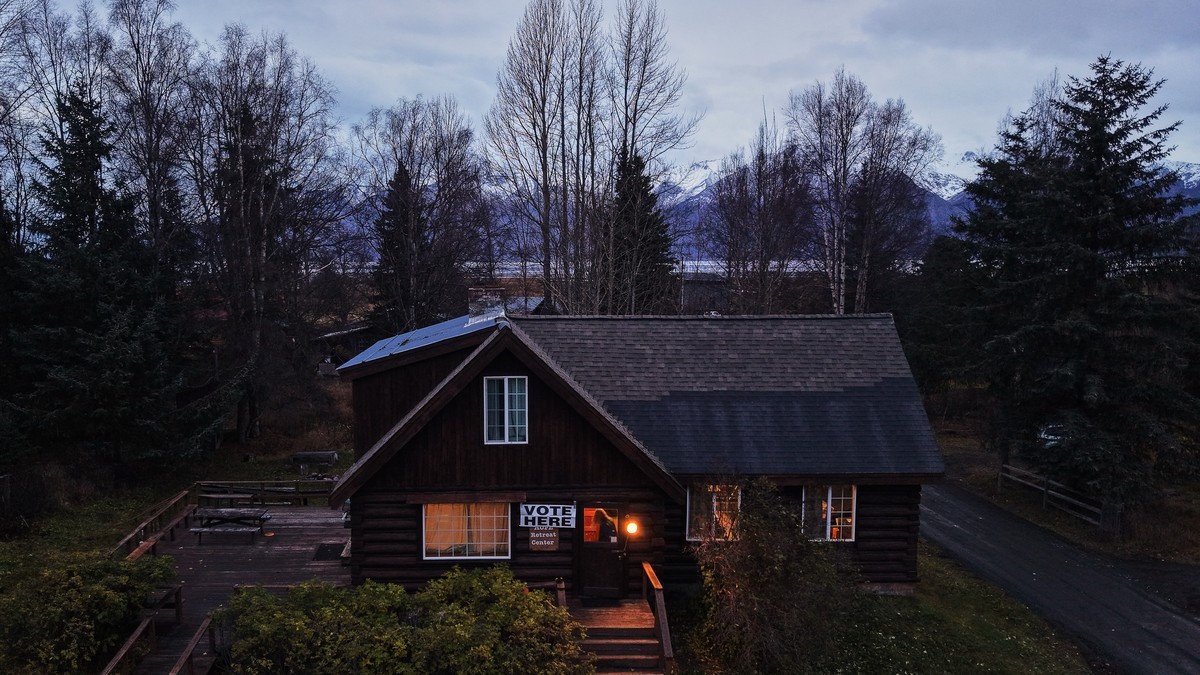
South Carolina gave Democrats something they had not had in a generation: a Senate seat. Democrat Annie Andrews, a pediatrician making her first run for office, defeated Darline Graham, Trump's handpicked candidate to replace her late brother, Senator Lindsey Graham. The Associated Press reported that Andrews is the first Democrat elected to a U.S. Senate seat from South Carolina since 1998. The same outlet noted that Trump won South Carolina by about 18 points. That is the size of the hole Democrats had to climb. Andrews did it. The Graham name was supposed to carry the seat. Trump put his weight on Darline Graham. The voters in South Carolina looked at the ballot and chose the pediatrician. The Associated Press called it. It was one more Republican-held seat moving toward the Democratic column. The state did not become blue overnight. It sent a Democrat to the Senate anyway. The name on the ballot was not a dynasty. It was a doctor who had never run for anything.
The Mansions That Changed Hands
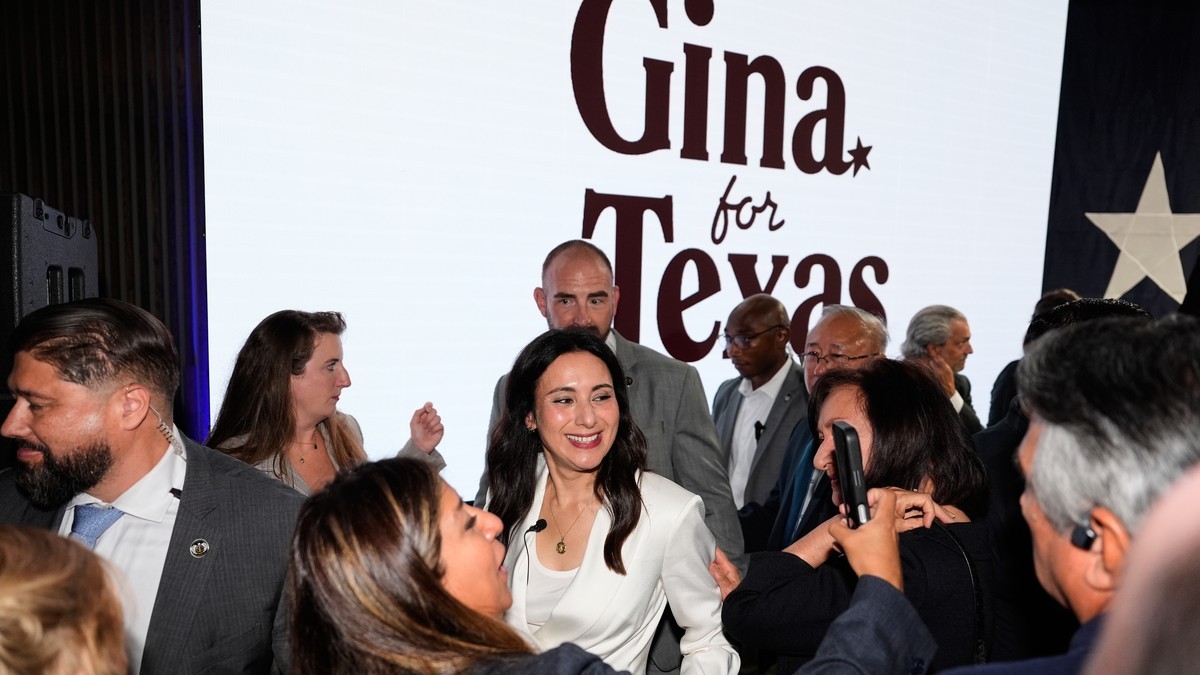
The governorships moved too. In Georgia, Democrat Keisha Lance Bottoms won, and The Associated Press called her "the first Black woman elected governor in U.S. history." Bottoms said, "No matter who you voted for tonight, I will be a governor for all of Georgia." She also said Georgia had sent a message "that we want a leader who will put Georgia first and who will stand up to all the chaos coming out of Washington, DC." In Texas, Democrat Gina Hinojosa defeated three-term Republican Governor Greg Abbott. The Associated Press called her Texas's first Latina governor. The Guardian reported she was the first Democrat to occupy the governor's mansion since 1990. In Ohio, Democrat Amy Acton beat close Trump ally Vivek Ramaswamy. Acton said, "The healing begins today." Democrats also won governor's races in Iowa, Maine, Wisconsin and Minnesota, The Associated Press called. Republicans held Oklahoma and South Dakota. That is not a wave in every state. It is a shift in the places that decide national elections.
What the Voters Actually Said
The AP Voter Poll measured a country in a foul mood. Roughly three-quarters of voters said they felt "angry" or "dissatisfied" with the direction of the country. Among voters who had Trump in mind when they cast a ballot, about twice as many wanted to express opposition to him as support. About 6 in 10 said higher-than-usual prices were "more because of Trump's policies." About 70% wanted Congress to provide more checks and balances on the presidency. Voters under 30 broke hard: about 7 in 10 nationally said they supported the Democratic House candidate in their area. Hispanic voters moved too; about one-third said they backed the Republican in their local U.S. House race, against roughly 4 in 10 who backed Trump two years ago. About half of voters had a "very" or "somewhat" unfavorable opinion of the Democratic Party. That is the warning inside the win. Voters were not in love with Democrats. The Democratic brand was still poor. The poll does not tell us why each voter acted. It tells us what they reported.
The House Is Not Called
The House was not called. The Associated Press said Democrats were "on the brink of taking the House" after midnight on November 4, with more than a half-dozen seats flipped. NBC News projected Democrats would win both chambers. The Guardian described Democrats as "edging toward" House control. Those are competing calls, and none of them is a certificate. The Associated Press had not called the House. That is the line that matters at 12:15 a.m. EST. The AP called these House races: Democrat Gabriel Vasquez reelected in New Mexico's 2nd District; Democrat Christina Bohannan in Iowa's 1st; Democrat Sarah Trone Garriott in Iowa's 3rd; Democrat Denise Powell in Nebraska's 2nd; Democrat Manny Rutinel in Colorado's 8th; and Democrat Elaine Luria in Virginia's 2nd. Republicans began the current Congress with a slim 220-215 margin. The majority line is 218. Democrats were targeting more than 60 districts, including many where Trump won by double digits. The House remained uncalled. Anyone who tells you otherwise is ahead of the count.
The Gerrymander That Ate Itself
The gerrymander was supposed to save Republicans. In 2025, Trump pushed Texas, the most populous Republican-run state, to redraw congressional boundaries. California Governor Gavin Newsom responded by persuading California voters to do the same, and other states followed. Along the way, the U.S. Supreme Court gutted part of the Voting Rights Act, allowing several Southern states to redraw districts that had been majority- or near-majority-Black. The Associated Press reported that on paper the results suggested a net shift of nine seats to Republicans, but the plan spread conservative supporters across more districts. That was bad news for Republicans in other districts in Florida and potentially Texas, where the plan counted on Latino and other nonwhite voters who backed Trump. The Associated Press reported, "Early results show that has not happened." Missouri voters rejected a Trump-backed congressional map and rejected an abortion ban for a second time. The map was not a magic wand. It was a trap that moved Republican votes around and left other seats exposed. The night did not follow the script.
I Wasn't on the Ballot
He asked for it. At the Republican midterm convention in Dallas in September, Trump told the crowd, "So I'm asking you to pretend that I'm on the ballot. I'm on the ballot. I'm on the ballot. Just one more time." On election night, asked to account for the wreckage, he told Politico's Dasha Burns, "I wasn't on the ballot." He added, "I said, 'Say you're on the ballot, think about me being on the ballot.' But they didn't agree and they didn't like the candidates in most cases." That is not a concession. It is a man who spent the autumn asking to be judged, and then asked not to be. He also said, "We're going to work with the Democrats to make sure things go well for our country. They want to see things happen too." Politico reported he threatened to veto any legislation he feels is "not good." After the results, Politico's headline quoted him saying that if he was on the ballot "we would have won IN A LANDSLIDE!" The Associated Press reported that Trump told The New York Times he will respect the results. A White House official, as the numbers came in, said Trump voters simply show up when he is on the ballot.
What January Brings
January will bring a Democratic Senate and, if NBC News is right, a Democratic House. The Associated Press had not made that second call. What control would mean is concrete. Al Jazeera reported that a Democratic House could block Republican legislation, investigate the administration through committees and, if it chose, impeach the president. It would gain leverage over government funding, raising the possibility of further shutdowns. A Democratic Senate could block legislation and reject presidential nominees, including federal judges who serve for life. The Senate also holds the trial if the House impeaches; removal is a high bar. Winning both chambers is not full control. Trump remains president and can veto. Overriding a veto needs two-thirds in each chamber, and most bills need 60 votes in the Senate to end debate. Senate Democratic Leader Chuck Schumer said, "relief is on the way." House Democratic Leader Hakeem Jeffries said, "America is back." NBC News reported Jeffries is poised to become the first Black speaker. The 120th Congress convenes in January.
By Jessica Ali, Staff Writer
This article was produced with AI-assisted research and editorial support. Sources: Associated Press, Politico, The Guardian, Al Jazeera, NBC News, The New York Times and myfox8.com. Photographs: Associated Press, rehosted by Global 1 News. Cover: Global 1 News editorial image.
What's Your Reaction?
 Like
0
 Dislike
0
 Love
0
 Funny
0
 Wow
0
 Sad
0
 Angry
0

Editor-in-Chief at Global1.News. Atlanta-based journalist who cuts through the BS and tells it like it is. Lead anchor, host, and the voice you hear when the spin stops and the truth starts.















Comments (0)