
Mexico and My Money: The fintech revolution in Mexico is just getting started
Mexico’s financial landscape has been reshaped by a wave of digital innovators that are turning the old‑school banking experience on its head. Long queues, rigid hours and hidden fees made a trip to the banco feel like a pilgrimage to a distant past.
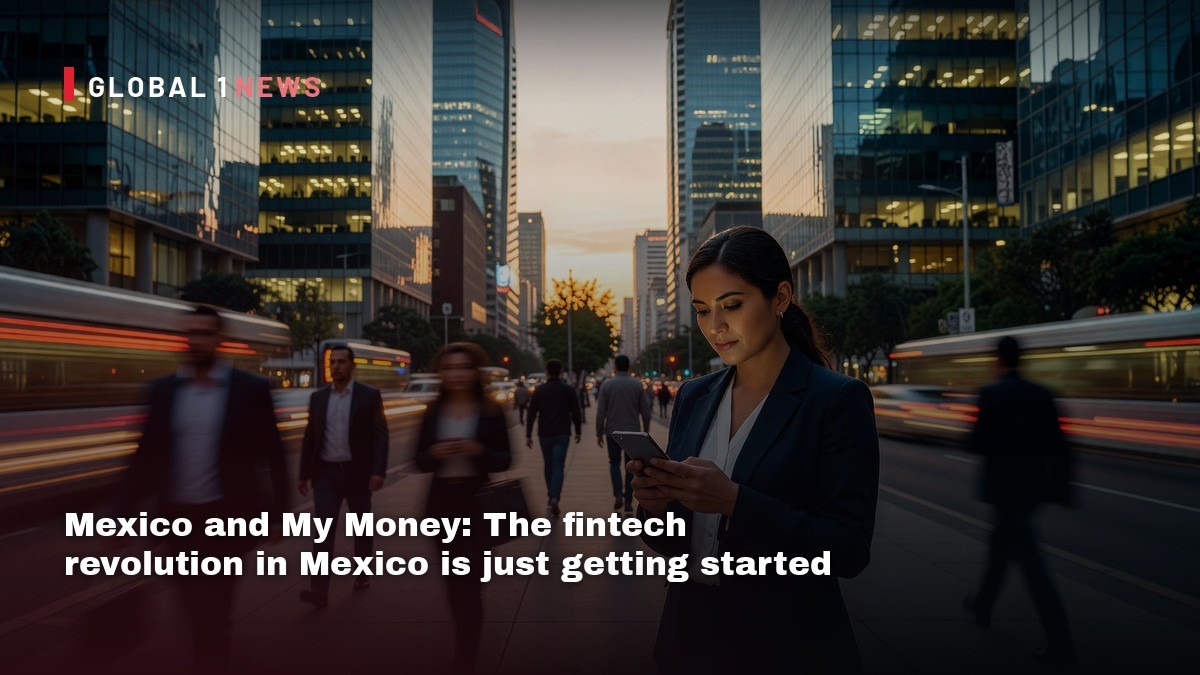
Mexico’s financial landscape has been reshaped by a wave of digital innovators that are turning the old‑school banking experience on its head. Decades of mistrust, forged in the fires of the 1994 Tequila Crisis, left many Mexicans wary of the brick‑and‑mortar institutions that once ruled the economy. Long queues, rigid hours and hidden fees made a trip to the banco feel like a pilgrimage to a distant past. For families in the colonia, for workers on the ejido and for migrants sending remittances home, the traditional system often felt out of reach. Today, a new generation of fintech firms is rewriting that story, offering mobile‑first services that speak the language of a country increasingly glued to its smartphones.
From Crisis to Opportunity: Why Fintech Took Root
The legacy of the 1994 crisis created a deep‑seated skepticism toward banks, especially among moderate‑ and low‑income workers who found themselves shut out of formal credit. Coupled with the scarcity of bank branches in rural pueblos, the financial sector was a fertile ground for disruption. The COVID‑19 pandemic accelerated this shift. As physical banks closed their doors, Mexicans were forced to shop online and pay digitally for daily necessities. This sudden need for remote payment options sparked a surge in applications for debit and credit cards, and the widespread adoption of smartphones turned the country into a ready market for mobile‑only financial services.
Fintech firms arrived with a different playbook: no physical branches, no paperwork, and services delivered entirely through apps. According to a 2025 report from FinTech México, 795 fintech companies were operating in the country, more than half of them focused on digital payments and credit. This rapid expansion reflects both the demand for convenient, low‑cost financial tools and the willingness of younger Mexicans to embrace technology over tradition.
The Demographic Shift: Who Is Using Fintech?
Fintech customers in Mexico differ markedly from the traditional banking crowd. BBVA Research notes that roughly 60 % of fintech users are between 18 and 39 years old, with a near‑equal split between men and women. This younger cohort prefers tapping a phone screen to handling cash, a habit reinforced by the pandemic’s push toward contactless payments. While the user base still leans toward middle‑ and upper‑class residents of major cities—Mexico City, Monterrey and Guadalajara—the digital tools are beginning to ripple outward, offering a glimpse of broader inclusion.
INEGI’s 2024 financial inclusion survey shows the impact of these tools. Overall inclusion—adults with at least one financial product—rose to 76.5 %, a nine‑point jump from the previous survey. Formal savings accounts reached 63 % of adults, and access to credit edged up to 37 %. Most strikingly, digital financial account usage multiplied fivefold since 2021, now standing at 10 % of the adult population. These figures illustrate that while fintech has not yet reached every corner of the country, it is moving the needle on access to formal financial services.
Nu México: The Trailblazer Turned Bank
Among the fintech pioneers, Brazilian giant Nubank—operating locally as Nu México—has become a household name. Since its 2022 entry, Nu has targeted consumers left behind by traditional banks with a user‑friendly app, cheeky advertising and zero‑fee accounts. Opening an account requires only a smartphone, no paperwork and no annual fees, making it especially attractive to expatriates and informal workers alike. The basic debit account pairs with a high‑yield savings “cajita” that initially offered more than 12 % annualized interest, later adjusting to 6.5 %.
By 2025, Nu served 12 million customers, a testament to its resonance with the Mexican public. Earlier this year, the firm secured a Mexican banking license, allowing it to operate as a commercial bank while remaining fully digital. This transition marks a significant milestone: a fintech that began as a mobile‑only challenger now holds the same regulatory status as the legacy banks it once sought to outpace.
Other Homegrown Heroes: From Clip to Kueski
Nu’s success inspired a wave of local innovators. Klar and Stori, for example, provide fee‑free deposit accounts and extend credit to those lacking formal credit histories. Hey Banco, launched by Banregio, and Plata, founded by a Russian expatriate, add to the growing ecosystem of digital lenders and payment platforms. Homegrown unicorn Clip, once valued at over a billion dollars, revolutionized payment acceptance for small retailers by offering pocket‑sized card readers with zero monthly fees and instant activation. Its devices, now common in OXXO stores, doubled the number of retail outlets able to process digital payments, bringing cashless transactions to the corner tianguis.
Kueski carved a niche with its buy‑now‑pay‑later (BNPL) microlending model, allowing shoppers to purchase online and settle their debt in cash at OXXO locations. This hybrid approach bridges the digital‑offline divide, catering to consumers who still rely on cash for day‑to‑day expenses while enjoying the convenience of e‑commerce.
Regulatory Landscape: Protection Gaps and Emerging Rules
Fintech’s rapid rise has outpaced the development of comprehensive consumer safeguards. The Ley Fintech, enacted in March 2018, introduced basic guardrails but does not extend full deposit insurance to fintech users. Deposits held by fintechs regulated as SOFIPOs (Sociedad Financiera Popular) receive coverage up to 25,000 UDIs—about 221,000 pesos—while funds in digital wallets under IFPE regulation enjoy no protection at all. This leaves many users exposed to the risk of loss if a platform fails.
Recent high‑profile security breaches, such as the crypto heist at Binance and a smaller theft at Polymarket, underscore the vulnerabilities inherent in digital finance. While these incidents involved cryptocurrency platforms rather than traditional fintechs, they serve as a reminder that the digital frontier demands robust security and clear regulatory oversight to protect everyday Mexicans.
Looking Ahead: The Next Chapter of Mexico’s Fintech Story
The fintech revolution in Mexico is far from over. With a young, mobile‑savvy population and an expanding ecosystem of digital lenders, payment processors and investment platforms, the sector is poised to deepen financial inclusion, especially if it can extend its reach beyond the urban centers that currently dominate usage. The challenge will be to balance innovation with consumer protection, ensuring that the promise of low‑cost, accessible services does not come at the expense of security.
As the nation moves forward, the story of fintech will continue to be told in the everyday lives of families buying tortillas at the tianguis, workers sending remittances from the United States, and entrepreneurs in the ejido seeking credit for their small farms. The digital tools that are reshaping how money moves across Mexico also have the power to reshape the social fabric, offering a more inclusive financial future for all Mexicans.
This article was produced with AI-assisted research and editorial support. Reporting is based on the source material cited below. Sources: Mexico News Daily; mexiconewsdaily.com; Global1.News (05 November 2026).
By Rosa Martinez, Staff Writer
What's Your Reaction?
 Like
0
 Dislike
0
 Love
0
 Funny
0
 Wow
0
 Sad
0
 Angry
0

Latin America/Andes Correspondent at Global1.News. Based in Bogota, covering politics, environment, energy, and social movements across the Andean region. Passionate about environmental journalism and communities protecting their land.














Comments (0)