
Mother of Ghanaian boy killed in US 'wants justice' as she flies for funeral
When Doris Adu Gyamfi boarded a plane at Kotoka International Airport last week, the weight of her grief was palpable. “I want justice for my son,” she told the BBC at the airport, a plea that now reverberates across two continents.
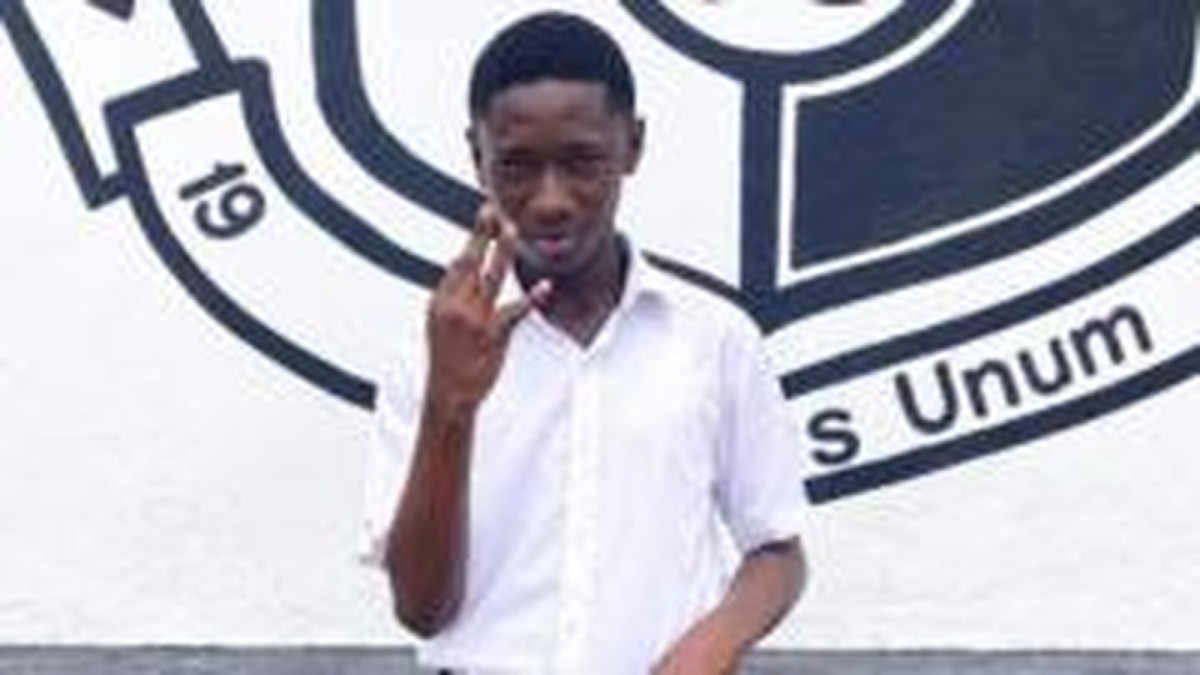
When Doris Adu Gyamfi boarded a plane at Kotoka International Airport last week, the weight of her grief was palpable. The mother of a 15‑year‑old Ghanaian boy shot dead in the Bronx, New York, had been granted an emergency visa by President Donald Trump, allowing her to travel to the United States to attend her son’s funeral. “I want justice for my son,” she told the BBC at the airport, a plea that now reverberates across two continents.
From Accra to the Bronx: The tragedy that sparked outrage
The fatal incident unfolded on a Thursday morning as Javits Frimpong, a Ghanaian teenager, walked to school in the Bronx. According to police reports, he was chased down and shot, later pronounced dead at a local hospital. The circumstances of the shooting have ignited anger in both Ghana and the United States, reviving the long‑standing debate over gun violence in America.
Authorities have not yet made any arrests. Police are actively searching for three teenage boys captured on surveillance footage who fled the scene. The ongoing investigation, however, has left many families, especially those with children studying abroad, uneasy about the safety of their loved ones in foreign schools.
Diplomatic intervention: An emergency visa from the White House
President Donald Trump’s decision to grant Gyamfi an emergency visa was confirmed by New York Mayor Zohran Mamdani in a social‑media post on Saturday. Mamdani said he had spoken directly with the President, who agreed to the visa “immediately” so the mother could say goodbye to her son in person. The swift diplomatic move underscores the sensitivity of the case and the pressure on U.S. officials to demonstrate compassion for an international tragedy.
Accompanying Gyamfi to the airport were relatives and Dr Erieka Bennett, Head of Mission of the African Diaspora Forum, who escorted her through the departure process. Gyamfi expressed gratitude to the Ghanaian government, the diaspora community, and well‑wishers for their prayers and support during this painful time.
Ghana’s official response: Condemnation and consular assistance
Ghana’s government publicly condemned the killing and pledged to monitor the case closely. Officials emphasized the need for a thorough investigation by U.S. authorities and offered legal and consular support to ensure that those responsible are brought to justice. The statement reflects Ghana’s broader concern for the safety of its citizens abroad, particularly students and young professionals who travel to the United States for education and work.
In the wake of the tragedy, Ghanaian officials have urged the United States to act swiftly, reinforcing diplomatic ties while demanding accountability. The call for justice is not merely a legal request; it is a plea for reassurance that Ghanaian children can pursue opportunities overseas without fearing for their lives.
The human cost: A mother’s grief and a community’s mourning
For Gyamfi, the journey to America is not only a diplomatic mission but a deeply personal pilgrimage. “I’m going to America to plan my son’s funeral,” she told reporters, her voice steady despite the heartbreak. The mother’s resolve to be present at her son’s final rites reflects a cultural imperative in many African societies: the importance of family and communal mourning.
Mayor Mamdani’s remarks highlighted the collective sorrow, noting that “All of New York City is mourning this tragedy.” The statement underscores how a single loss can ripple through neighborhoods, schools, and faith communities, fostering a shared sense of loss that transcends national borders.
Gun violence in America: A recurring backdrop
The shooting of Javits Frimpong adds another painful chapter to the United States’ ongoing struggle with gun violence. While the source material does not provide specific statistics, the incident aligns with a pattern of youth shootings that have sparked nationwide protests and policy debates. The tragedy has reignited calls for stricter gun control measures and for a deeper examination of how firearms are accessed by teenagers.
For Ghanaian families, the incident raises uncomfortable questions about the safety of sending children abroad. The fear that a child could fall victim to a gun‑related crime abroad is now a tangible concern, prompting many to reconsider the risks associated with overseas education.
The diaspora’s role: Support networks and advocacy
The African Diaspora Forum, represented by Dr Erieka Bennett, played a pivotal role in escorting Gyamfi to the airport and facilitating her travel arrangements. Such organizations often act as bridges between African nations and their expatriate communities, providing emotional, logistical, and sometimes legal assistance during crises.
Social media has amplified the community’s response, with Ghanaian citizens and diaspora members expressing solidarity through prayers, messages of support, and calls for justice. The collective voice of the diaspora underscores the deep ties that bind Africans across continents, especially when tragedy strikes.
Looking ahead: Justice, remembrance, and policy implications
As Gyamfi prepares to attend her son’s funeral, the search for the three teenage suspects continues. The outcome of the investigation will likely influence diplomatic relations, community trust, and future policies regarding the safety of African students abroad. Ghana’s government has signaled its readiness to provide legal and consular aid, a stance that may set a precedent for future cases involving African nationals.
Beyond the immediate legal pursuit, the tragedy calls for a broader conversation about how societies protect their youth, both at home and overseas. While the United States grapples with its own gun‑control challenges, the international community watches closely, hoping that justice for Javits Frimpong will be swift and that his memory will inspire reforms that safeguard future generations.
This article was produced with AI-assisted research and editorial support. Reporting is based on the source material cited below. Sources: BBC News Africa; bbc.co.uk; Global1.News (04 November 2026).
By Amara Diop, Staff Writer
What's Your Reaction?
 Like
0
 Dislike
0
 Love
0
 Funny
0
 Wow
0
 Sad
0
 Angry
0

West Africa/Sahel Correspondent at Global1.News. Dakar-based journalist covering politics, security, climate, and development across Francophone and Anglophone West Africa. Tells the stories of a region undergoing profound transformation.











Comments (0)