
Why are fewer Mexicans having children? Financial strain, security concerns and fears for the future
Mexico’s latest Intercensal Survey, released by INEGI, shows the nation has passed the 130‑million mark, yet the same data reveal a sharp decline in fertility.
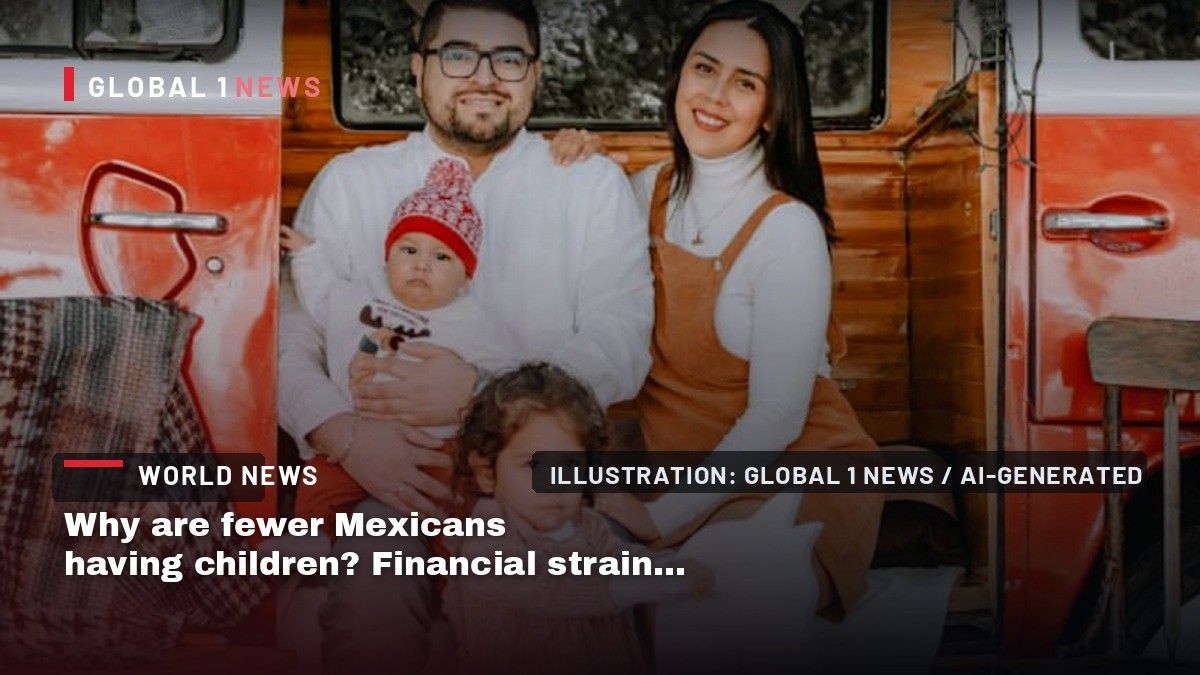
Mexico’s latest Intercensal Survey, released by INEGI, shows the nation has passed the 130‑million mark, yet the same data reveal a sharp decline in fertility. The capital, Mexico City, recorded the lowest rate at just 0.8 children per woman, a figure that underscores a broader shift away from the larger families that once defined Mexican life. This change is not merely statistical; it reflects a complex web of economic, security and environmental pressures that are reshaping decisions about parenthood across the country.
Economic insecurity drives the child‑free choice
When asked whether they wanted children, 13 of the 35 participants in a recent Mexico News Daily exploratory survey answered “no.” Their reasons coalesce around a common theme: financial strain. Luis, a 34‑year‑old living in Querétaro with his girlfriend, explained that his privileged upbringing—private schooling, a stable household, enough to eat—contrasts sharply with his present reality. He said his job offers no guarantee of steady income or future raises, and that the outlook is “bleak” because of water shortages, rising housing costs and the need to pay for daycare and extracurricular activities. For Luis, bringing a child into a world where he cannot assure basic material security feels “unfair.”
Other respondents echoed this sentiment. Many said they could not earn enough to support a family, and a few highlighted that both parents must work, turning motherhood into a financial necessity rather than a personal choice. Paul, a 31‑year‑old father of two in León, described the arithmetic of family life: food, clothing, school fees, health care, vacations and even the cost of chicken nuggets add up quickly. He and his wife decided to stop at two children because “financial peace of mind” was essential for them to avoid constant month‑end calculations.
Housing constraints limit family size
Housing costs emerged as another decisive factor. The survey’s respondents noted that limited living space makes it difficult to accommodate more than one or two children. One participant described a three‑bedroom home where the parents occupy one room and each child has a separate room, leaving little room for expansion. This scenario is reflected in the broader data from Mexico News Daily, which estimated that a family of four in an owner‑occupied home in five major cities—Mexico City, Querétaro, León, Monterrey and San Miguel de Allende—needs between 29,500 and 48,000 pesos per month to cover basic needs. Even when two average earners combine their wages, the budget falls short, forcing families to cut back on health care, food or recreation, or to seek extra income through side businesses.
Vanesa, a 29‑year‑old from San Miguel de Allende, linked housing to security: “I would like to own a home so I can feel more secure.” Her desire for a stable roof over her head reflects a broader sentiment that home ownership is a prerequisite for raising children, especially when public safety is a concern.
Public safety and the fear of violence
Security concerns loom large in the decision‑making process. Eduardo and Ana, a married couple from Metepec who travel to Toluca for work, said they have not yet decided on children because “insecurity” makes the prospect of raising a child feel too risky. Their fear is not isolated. The 2026 National Survey of Victimization and Perceptions of Public Security (ENVIPE) found that 74 % of adults considered their state unsafe, with the highest perception of insecurity in Estado de México (90 %). The same survey reported the highest estimated crime incidence rates in Mexico City (68,154 crimes per 100,000 inhabitants), followed by Puebla and Mexico State.
Missing‑person statistics reinforce these anxieties. The Mexican Institute for Human Rights and Democracy reported that the national missing‑persons registry listed over 134,000 people as missing by mid‑2026, with the five states accounting for 42 % of the total. The sheer scale of disappearances and the steady flow of intentional homicides—11,586 victims from January through August 2026—underscore a climate of fear that many respondents said would make parenting feel irresponsible.
Environmental uncertainty adds to the calculus
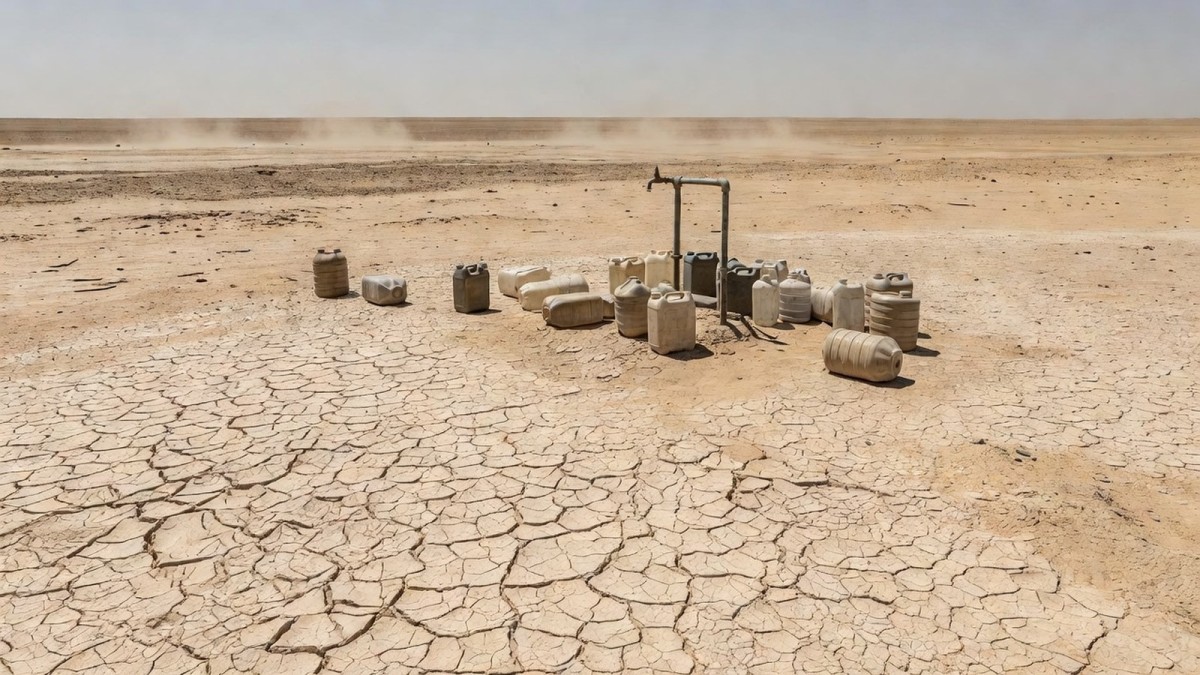
Climate change and water scarcity also shape family planning. Vanesa expressed a specific worry: by the time her child reaches 15, a water crisis could be looming. This concern mirrors broader references to “global warming,” “wars” and “water shortages” that appeared in the survey’s open‑ended responses. For many, the prospect of raising children in a world where essential resources may become scarce adds a layer of moral responsibility to the decision to remain child‑free.
These environmental fears intersect with economic pressures. The same respondents who cited financial strain also mentioned climate‑related anxieties, suggesting that the two are seen as intertwined threats to a stable future. The combination of rising living costs, insecure housing, and an uncertain climate creates a “bleak outlook,” as Luis put it, that discourages many young adults from expanding their families.
Health and fertility challenges
Health issues, particularly among women, further complicate family planning. Three survey participants reported fertility problems that prevented conception, highlighting a growing concern in Mexico. Vanesa’s mention of endometriosis underscores how medical conditions can limit reproductive options, adding another layer of uncertainty for those who would otherwise want children. For those facing such challenges, the decision to have children becomes a negotiation between desire, health risk and the capacity to provide a stable environment.
Even among those who have already become parents, the physical toll of pregnancy influences family size. Some mothers reported that hormonal changes and complications such as preeclampsia made them reluctant to have additional children. Zayra, a 32‑year‑old mother of two from Monterrey, decided to undergo sterilization after a second pregnancy proved physically demanding, noting that “having children is the most beautiful thing that can happen to you, but it’s also a lot of work and very tiring.”
Changing gender roles and the rise of choice
The shift from a rigid division of labor—where men were breadwinners and women caretakers—to a more flexible, choice‑driven model is evident in the testimonies. Women now have greater access to education, contraception and labor rights, allowing them to decide whether to pursue a career, motherhood, or both. Milé, a single 34‑year‑old from Querétaro, said she does not feel she has the “skills or resources” to be a mother and worries about finding a partner who would share responsibilities equally. Her concern about lacking social security coverage reflects how employment conditions still disproportionately affect women’s ability to plan for children.
These evolving roles also affect men. Fathers in the survey noted that their incomes barely cover the cost of raising one or two children, forcing both parents to remain in the workforce. This reality challenges the traditional expectation that men alone should provide, while women retreat to the home, and instead pushes couples toward a joint economic partnership that often limits family size.
Policy implications and the path forward
The declining fertility trend poses long‑term challenges for Mexico’s demographic balance. An aging population will demand more health‑care and caregiving services, putting pressure on social protection systems that are already strained. Yet the solution is not to coerce families into having more children; rather, it is to create conditions where raising children is compatible with stable earnings, affordable housing, reliable childcare, safety, reproductive health care and an equitable division of caregiving duties.
Addressing the economic gap highlighted by the ENIGH and Data México figures—where average combined wages fall short of the estimated monthly budget for a family of four—requires policies that raise real wages, expand formal employment with benefits, and support affordable housing initiatives. Enhancing public safety through effective law‑enforcement and community‑based programs could lower the perception of insecurity that deters many prospective parents. Finally, climate‑adaptation strategies and water‑conservation measures would help mitigate the environmental anxieties that loom over family planning.
In the meantime, the voices captured in this survey illustrate a shared tension: the desire for children is increasingly weighed against the ability to provide a stable, safe and hopeful future. For many Mexicans, the question is no longer “Do you want children?” but “Can you have them without sacrificing your health, security or peace of mind?” The answer, as the testimonies reveal, depends on a constellation of factors that policymakers must address if Mexico hopes to balance its demographic future with the well‑being of its families.
This article was produced with AI-assisted research and editorial support. Reporting is based on the source material cited below. Sources: Mexico News Daily; mexiconewsdaily.com; Global1.News (18 October 2026).
By Rosa Martinez, Staff Writer
What's Your Reaction?
 Like
0
Like
0
 Dislike
0
Dislike
0
 Love
0
Love
0
 Funny
0
Funny
0
 Wow
0
Wow
0
 Sad
0
Sad
0
 Angry
0
Angry
0
Latin America/Andes Correspondent at Global1.News. Based in Bogota, covering politics, environment, energy, and social movements across the Andean region. Passionate about environmental journalism and communities protecting their land.














Comments (0)